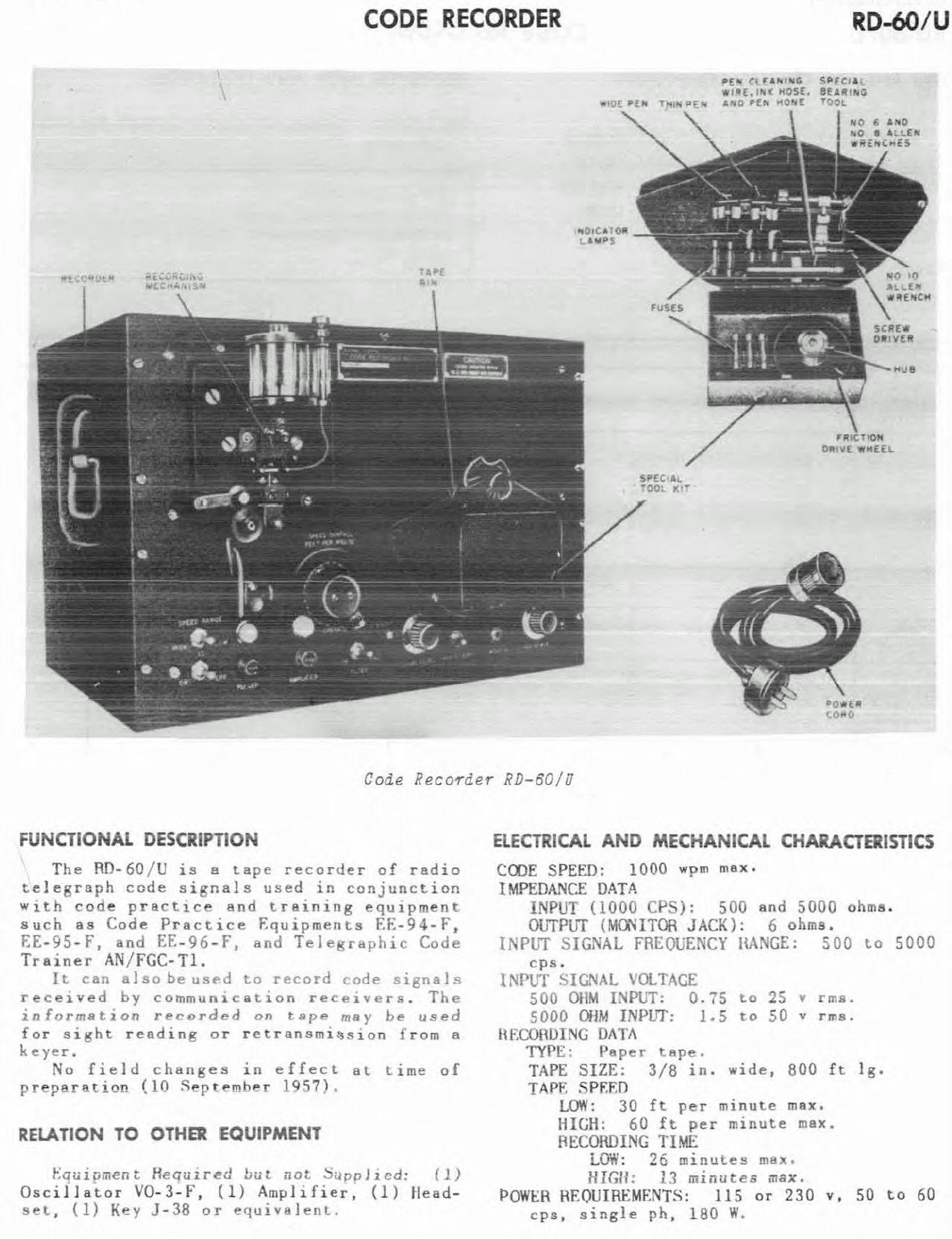
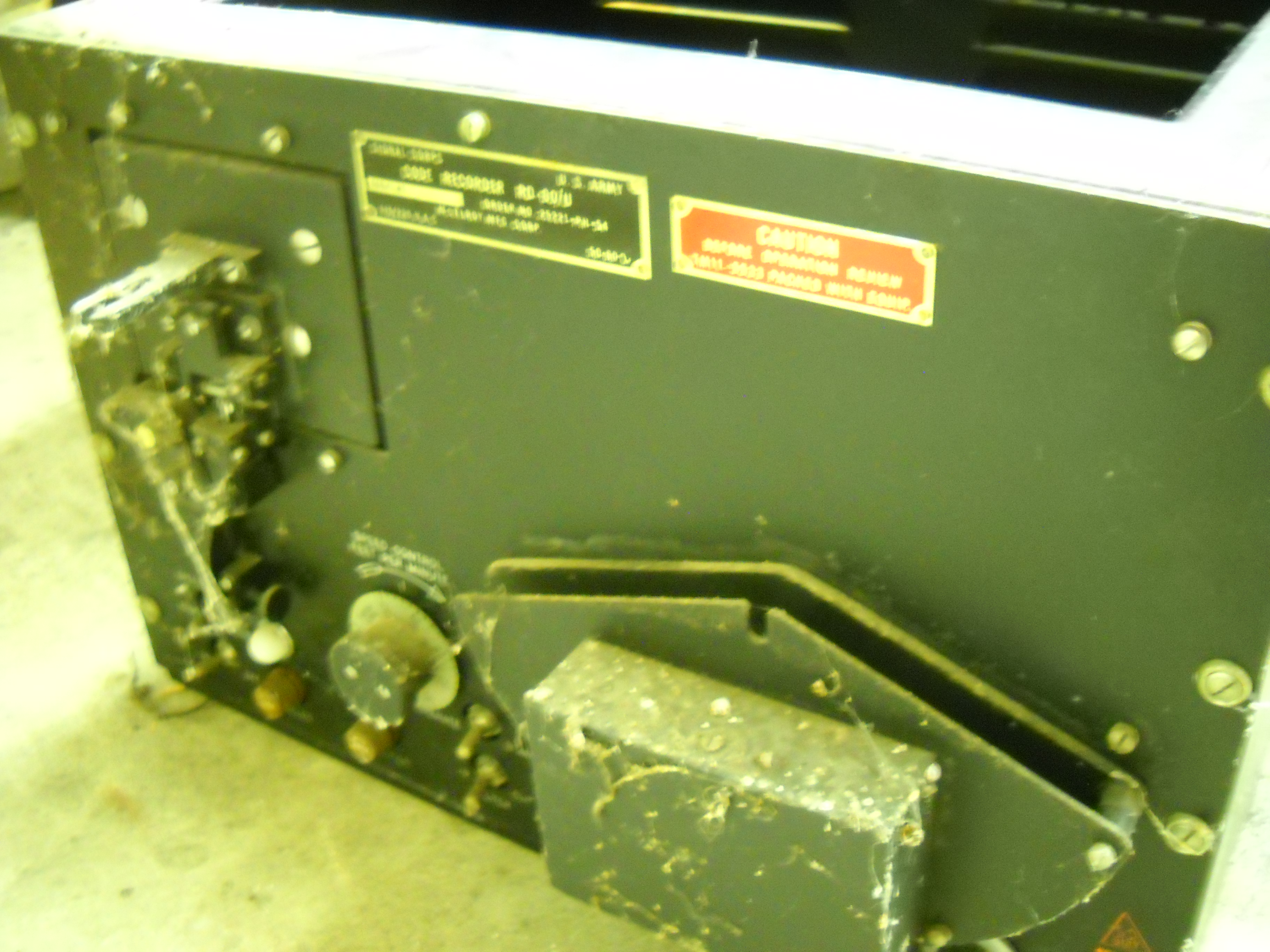
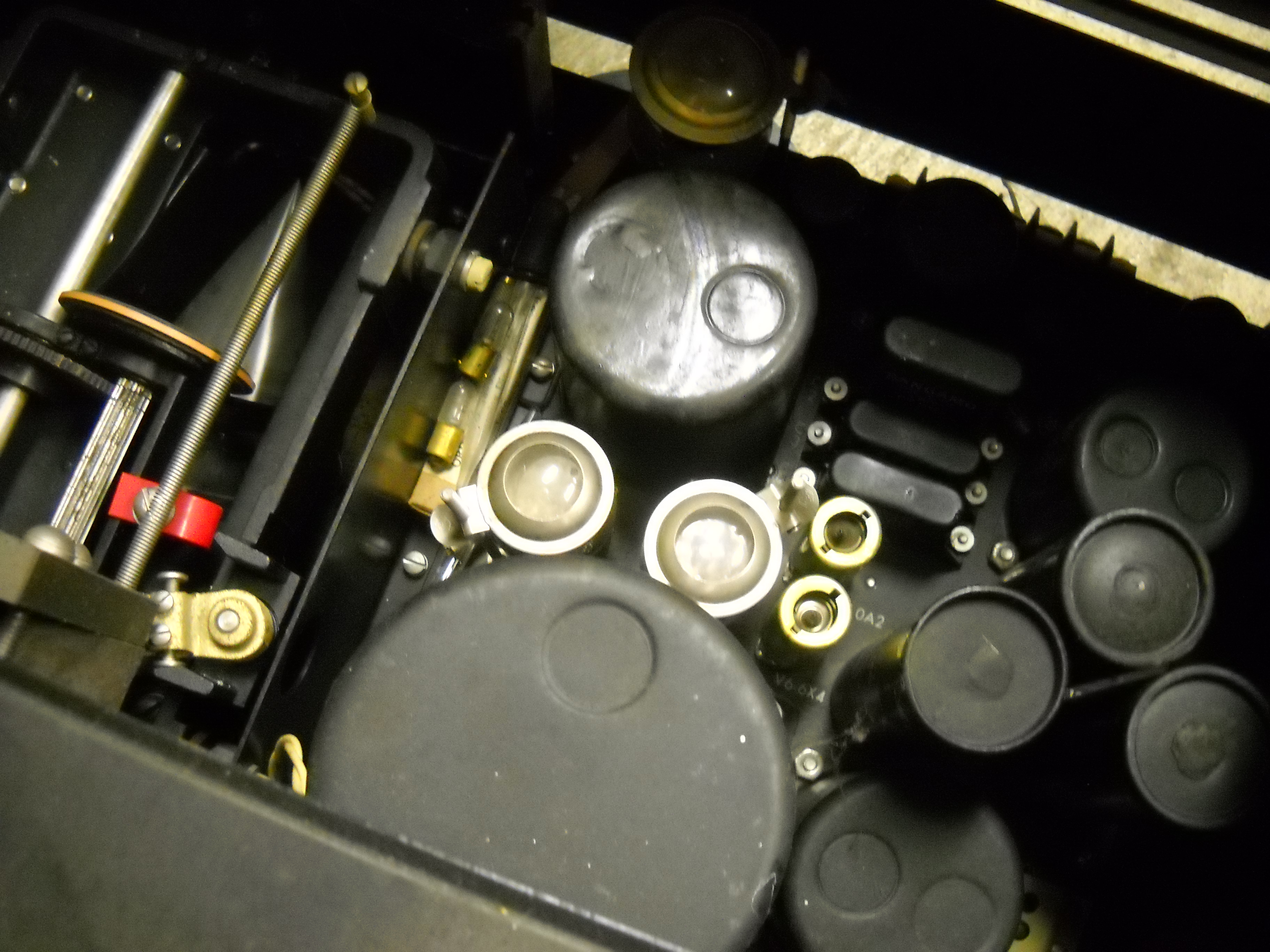
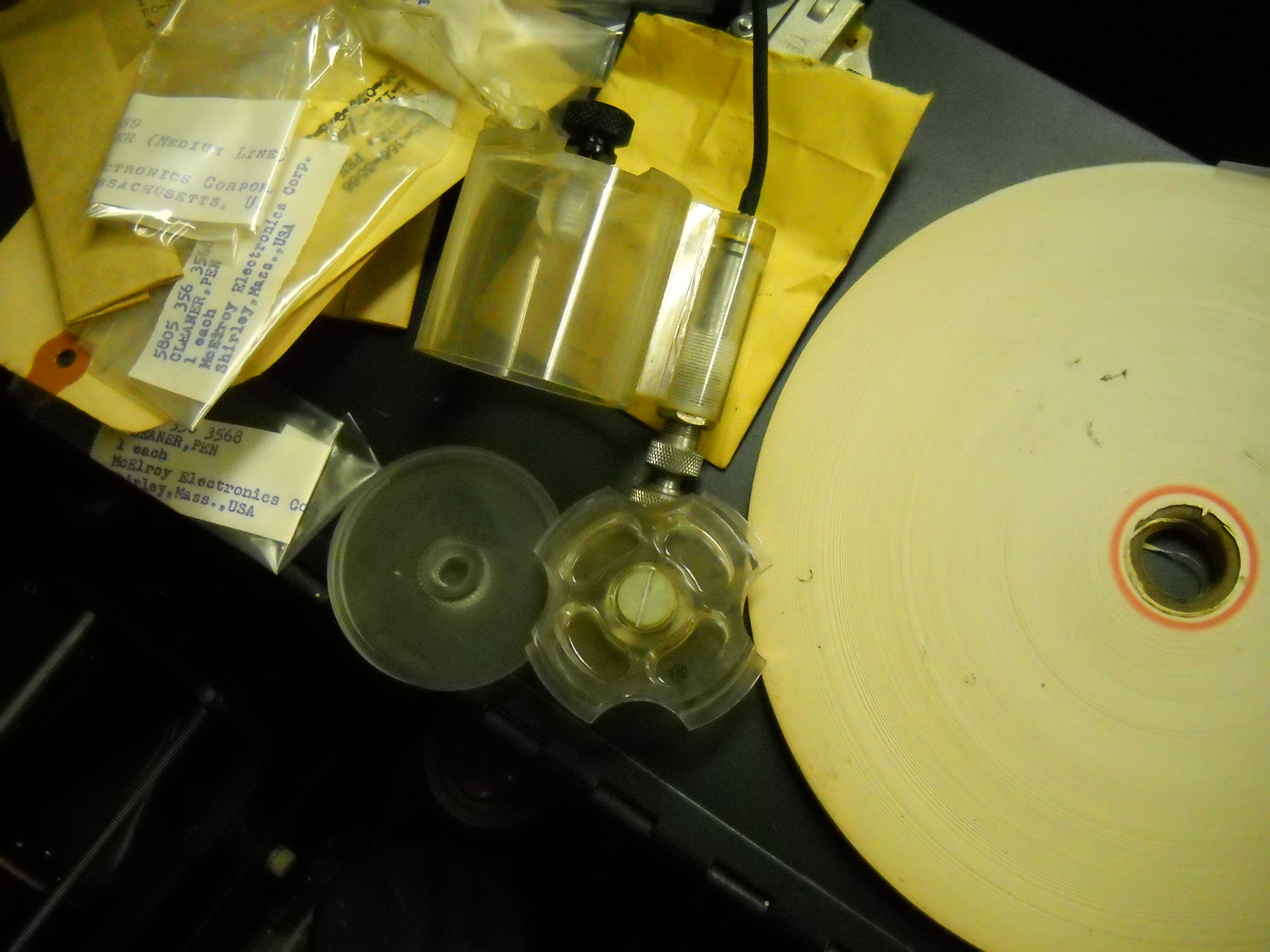
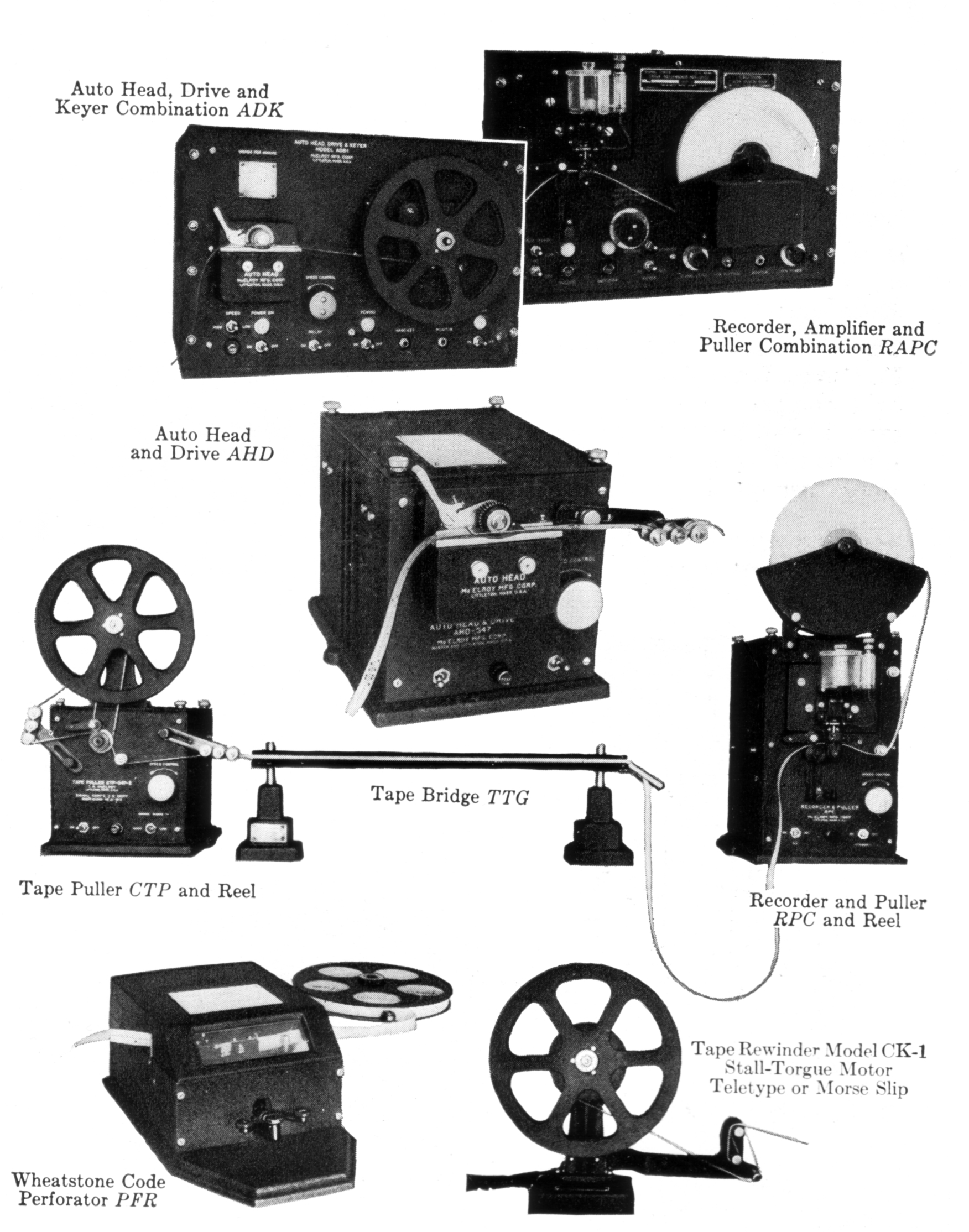
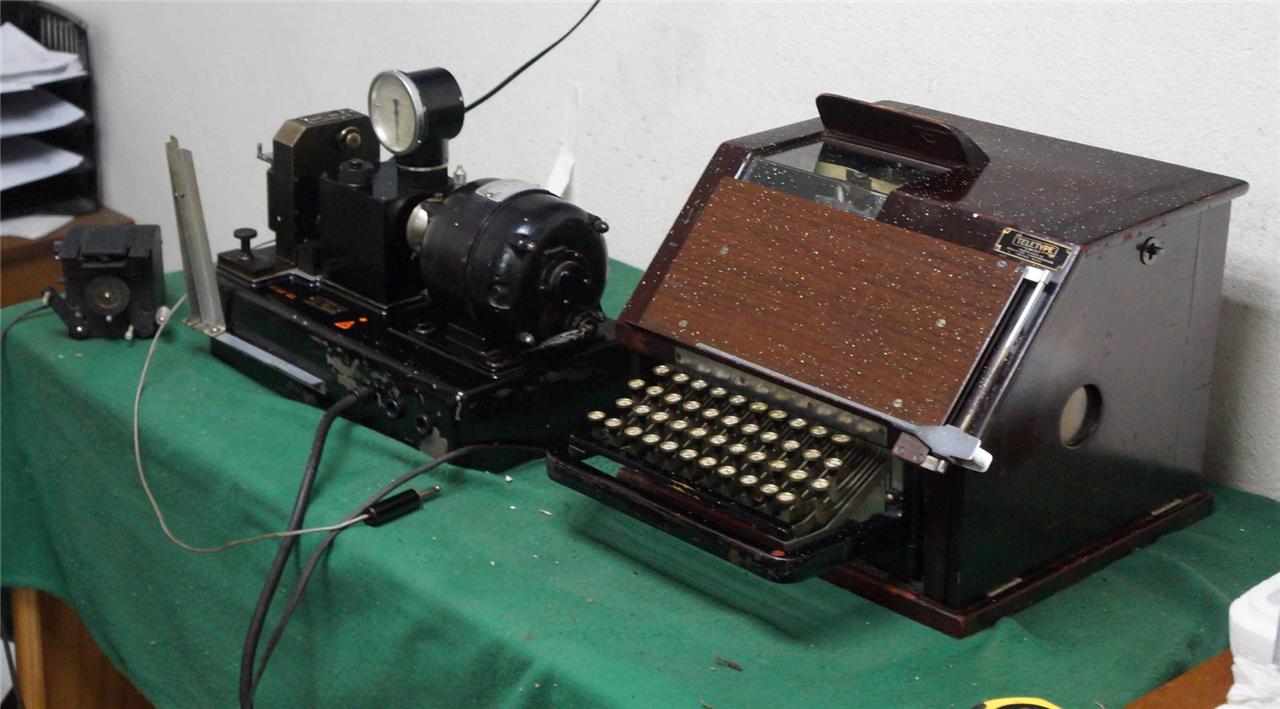
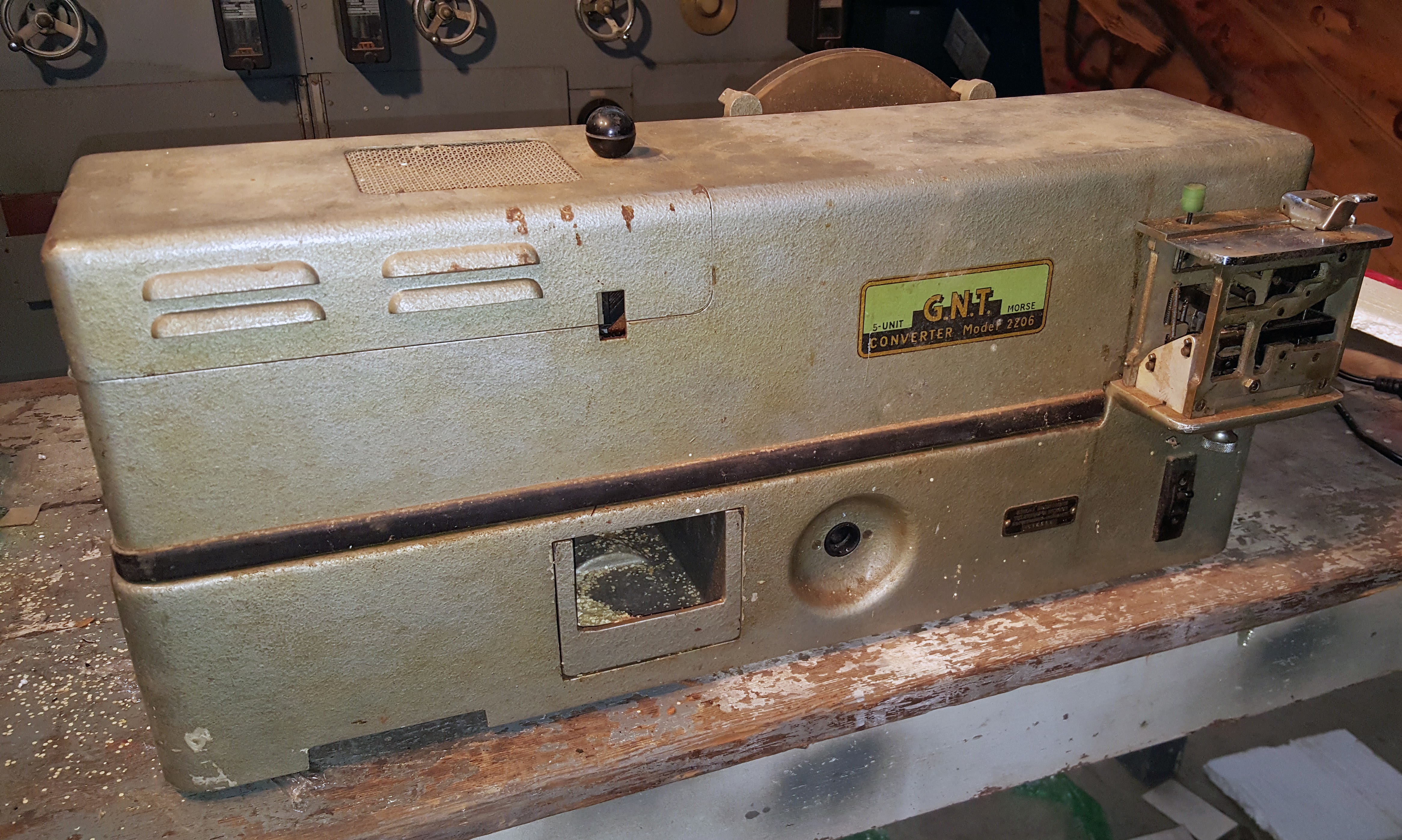
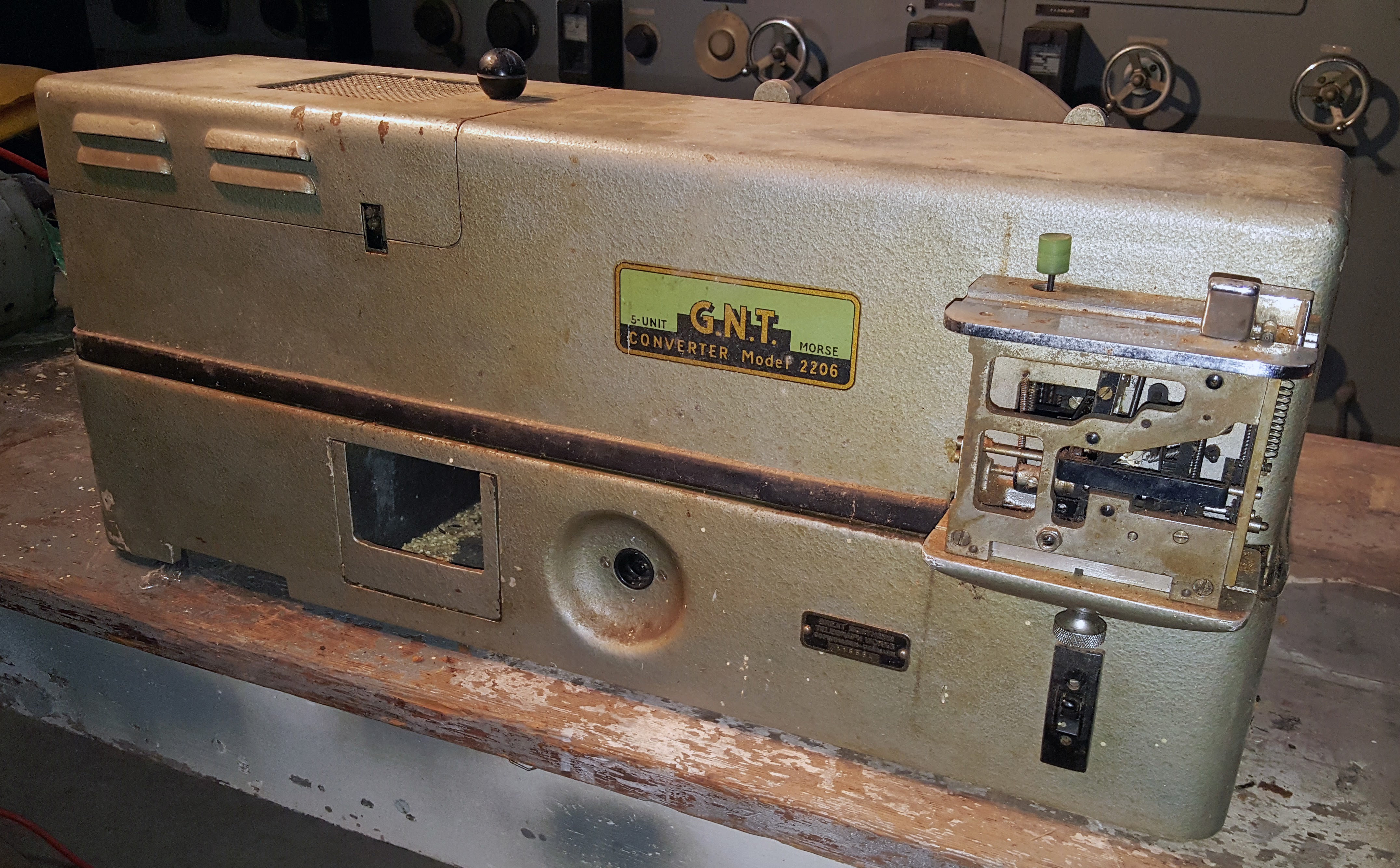
At shore transmitting stations, Morse code messages could be punched onto
paper tape and then sent
via a CW or FSK keyer which controlled the transmitters. Normal manual
shore-to-ship transmission was
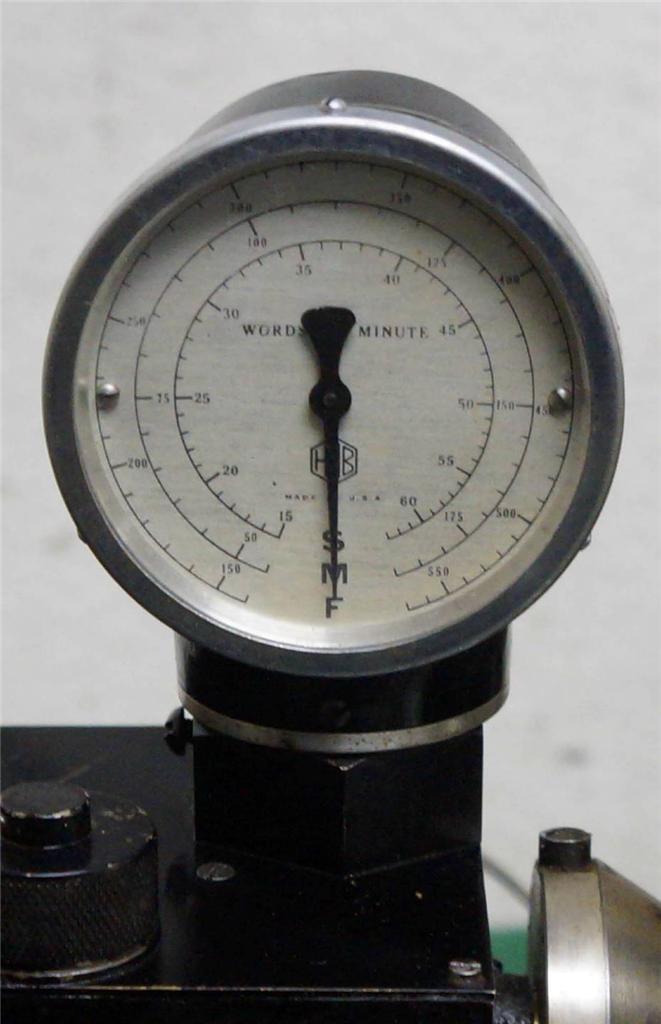
around 20 wpm, but high speed links between shore stations could run up to 400 wpm.
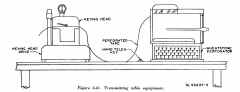
See below for transmitting tape perforators and keyers and high-speed code
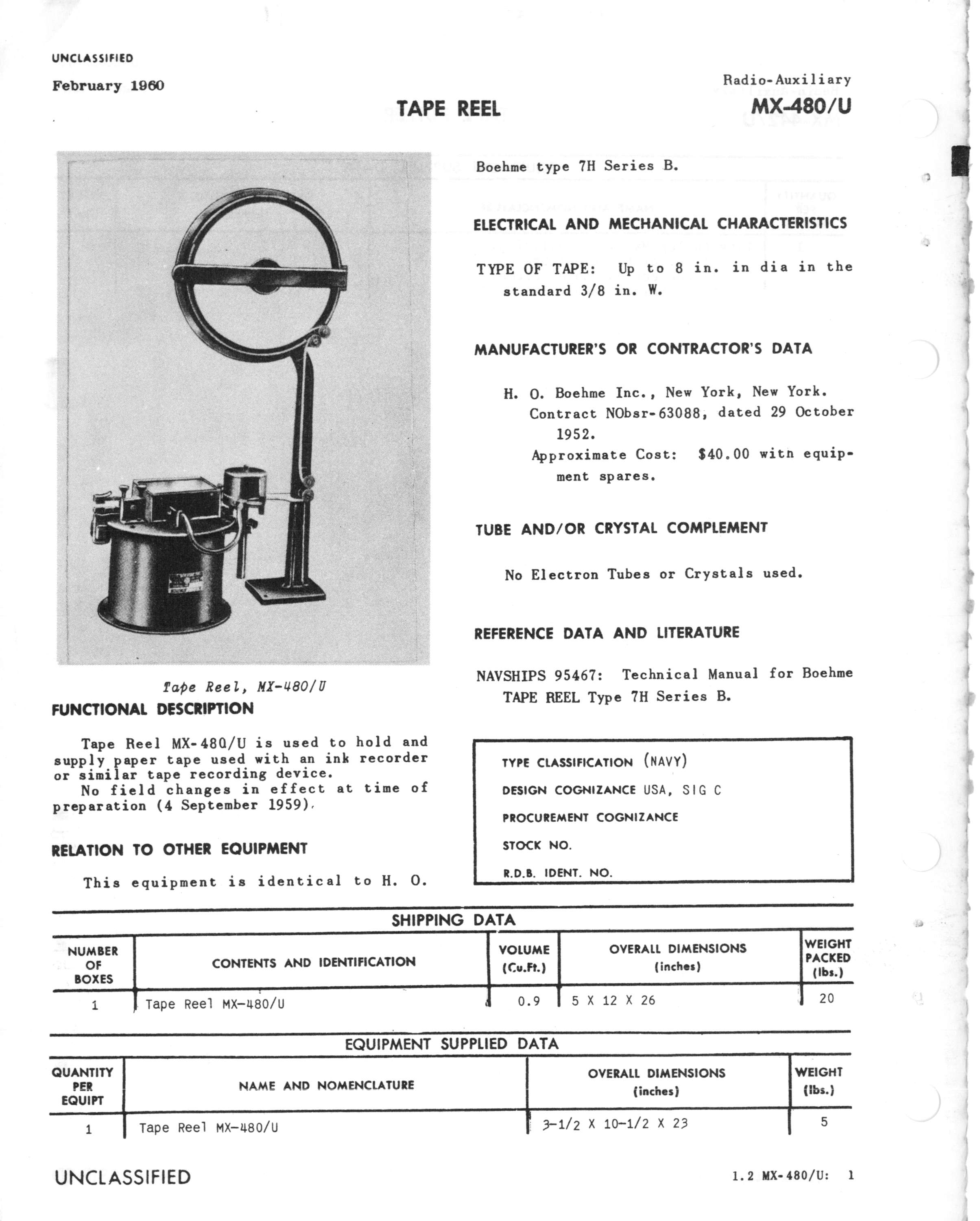
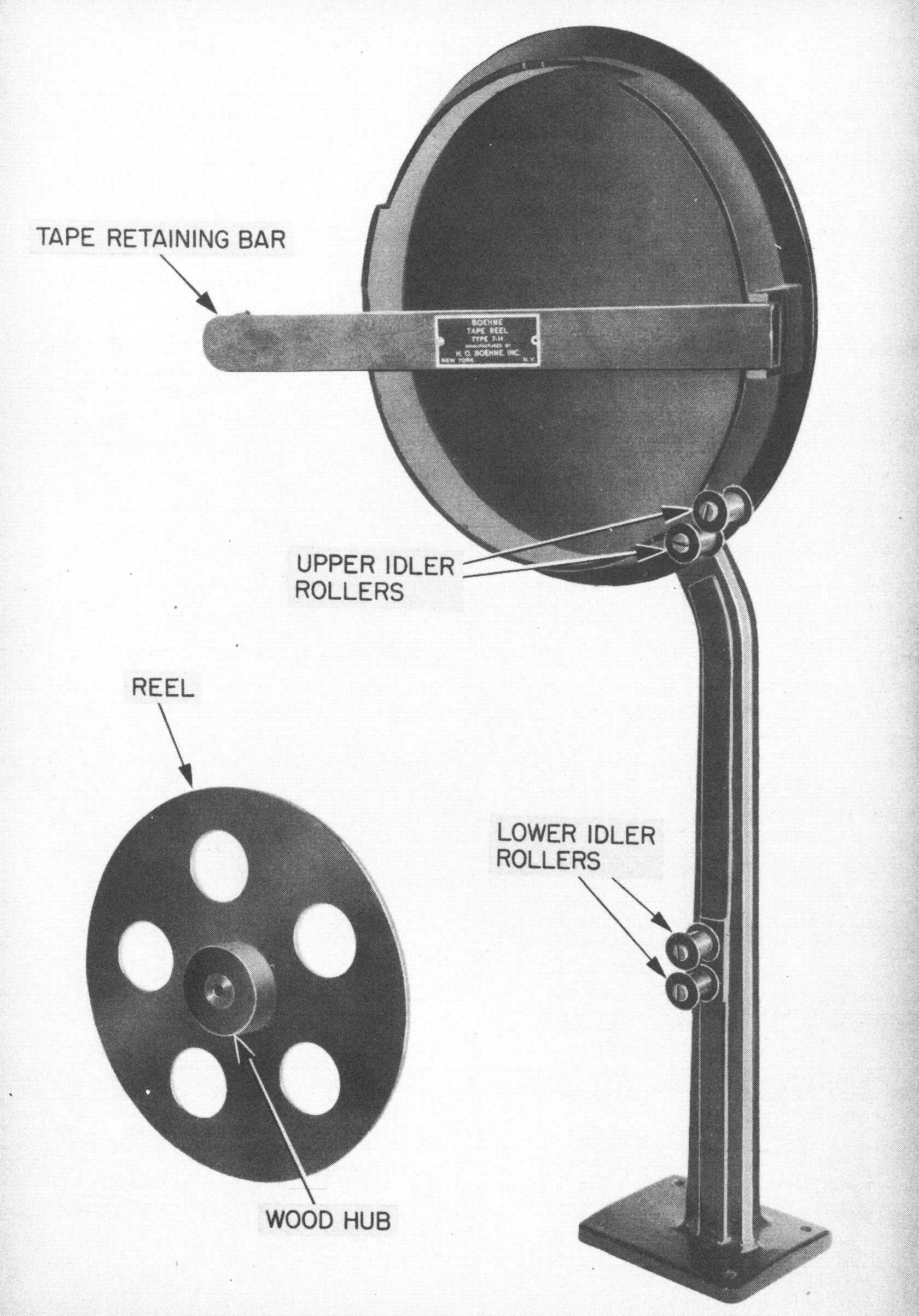
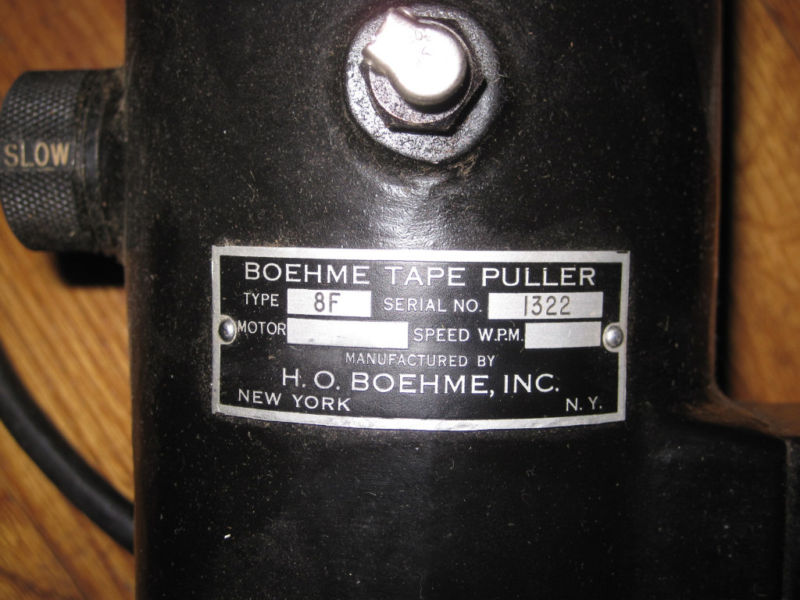
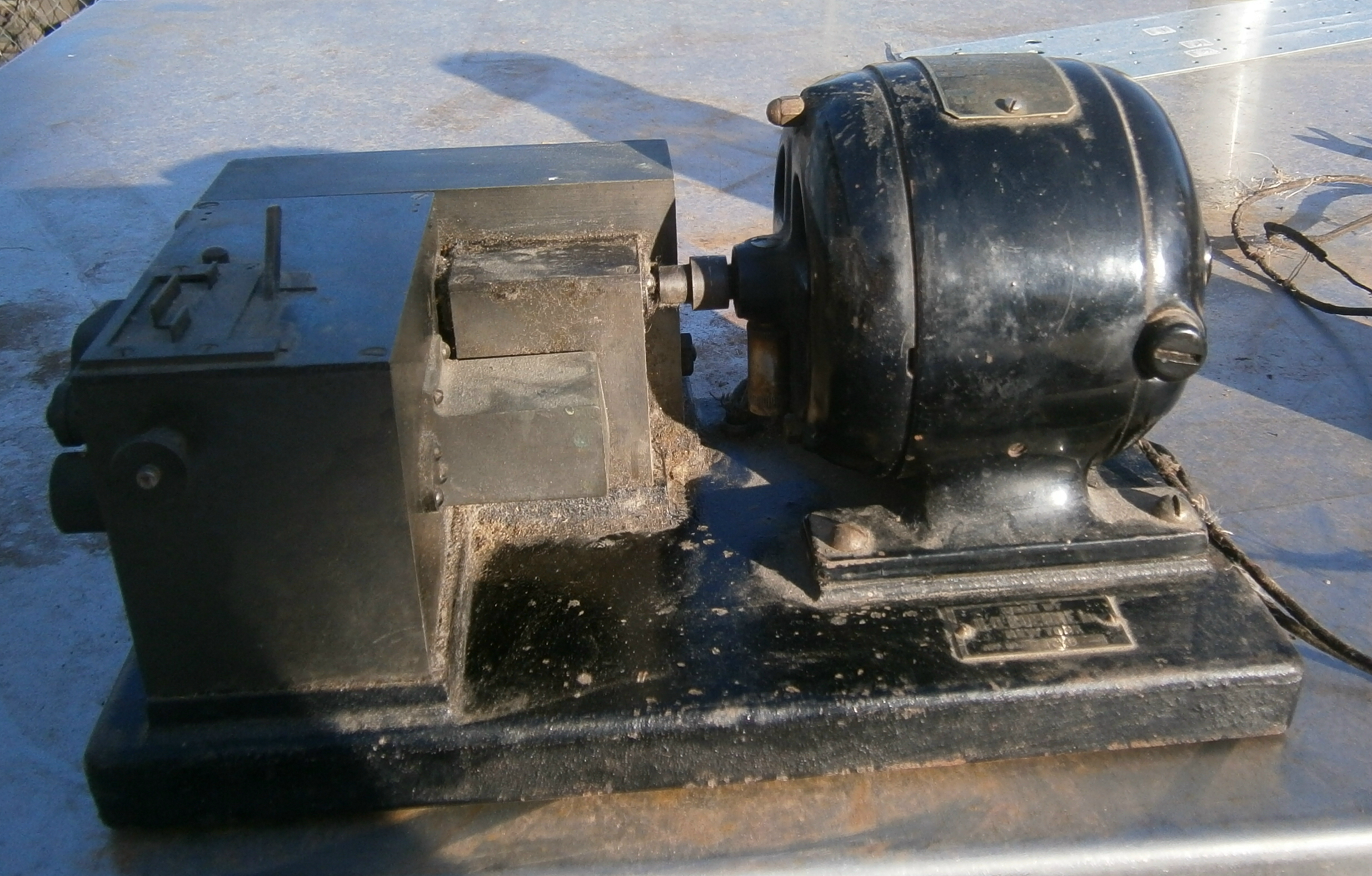
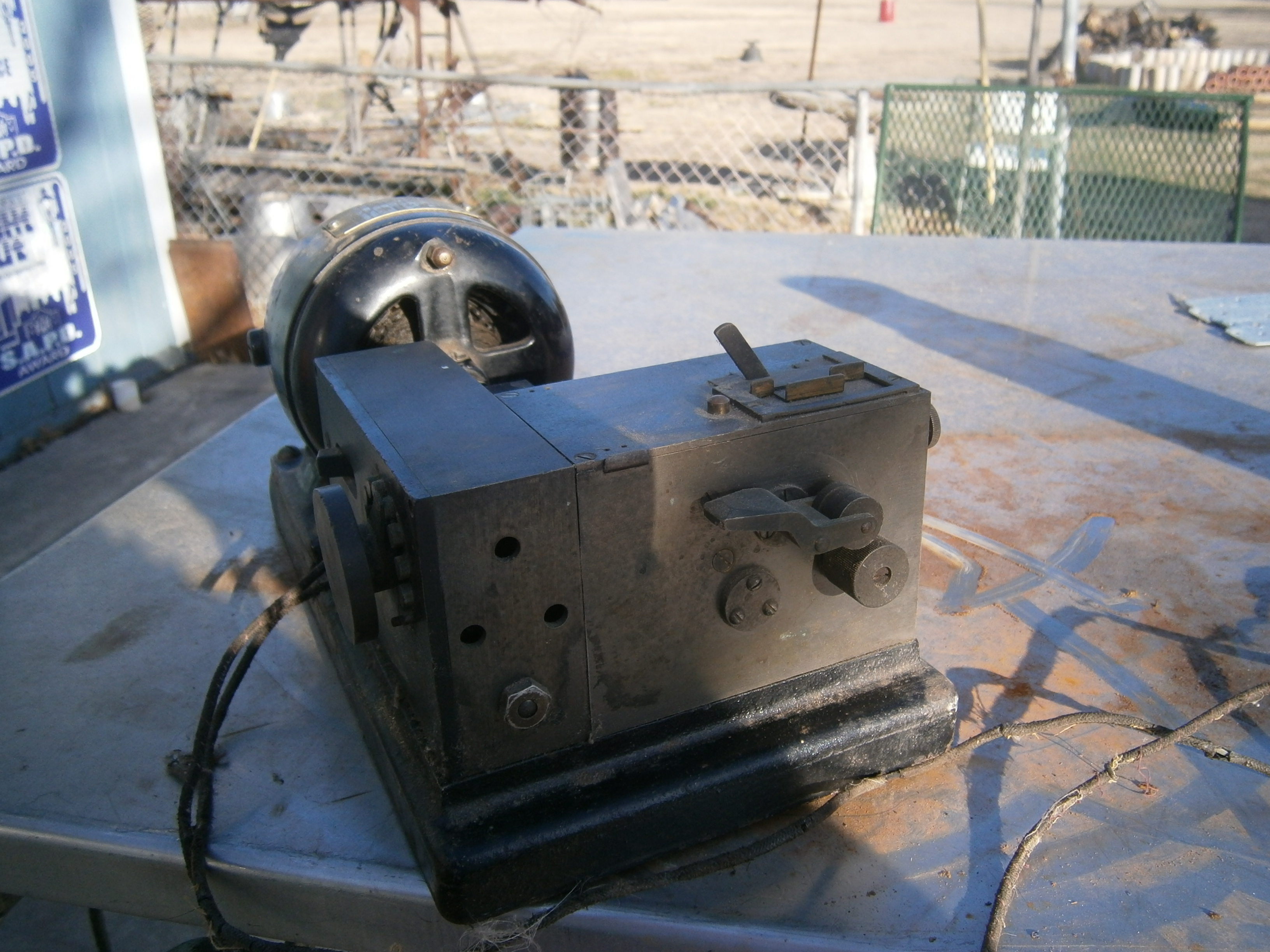
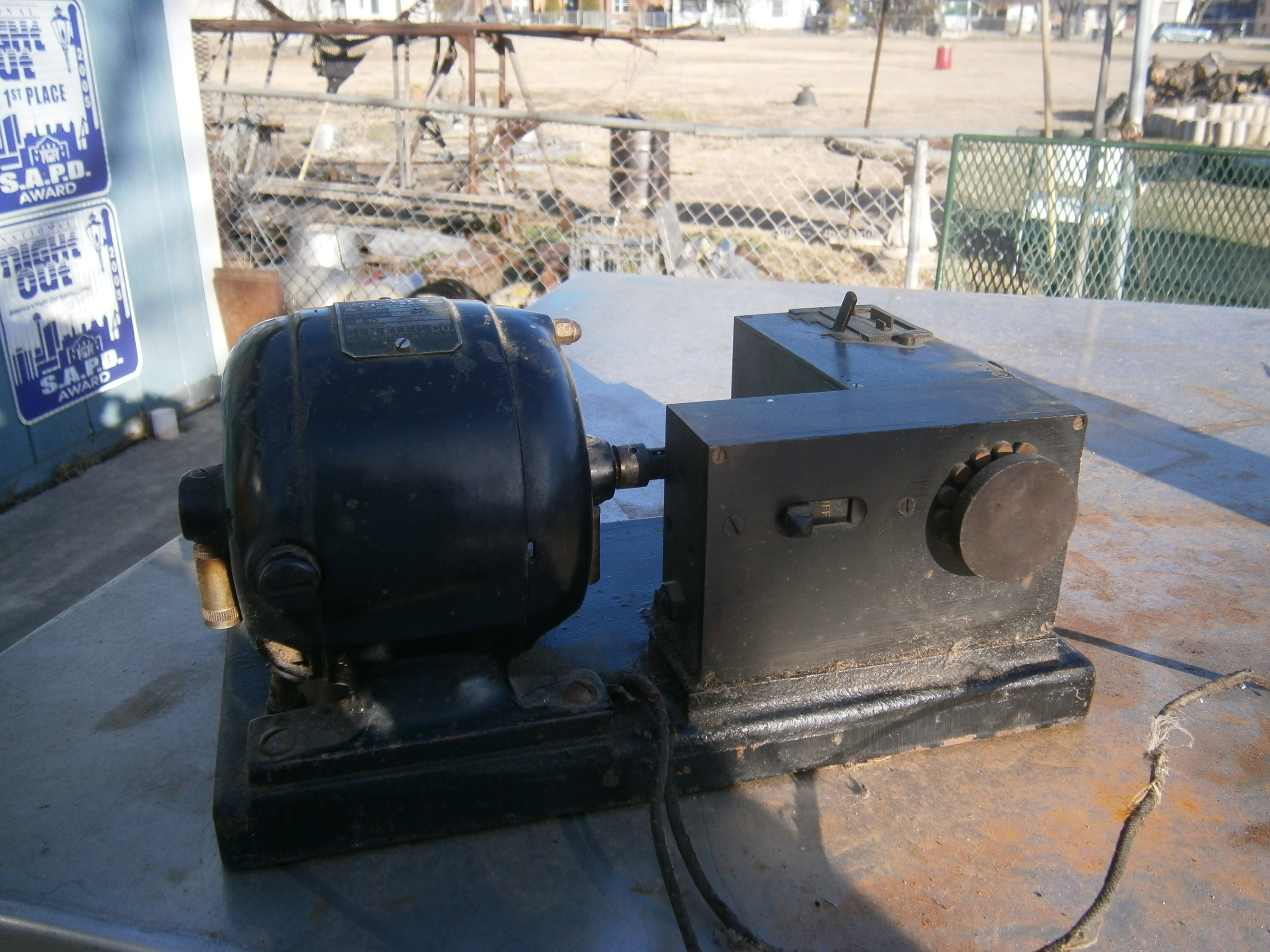
recorders. The manual for Boehme paper tape equipment is TM
11-377.
|
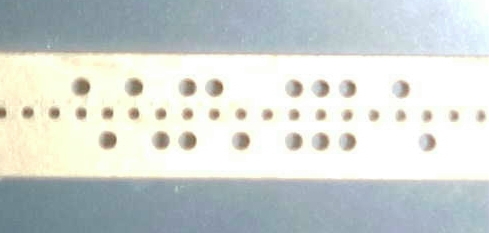
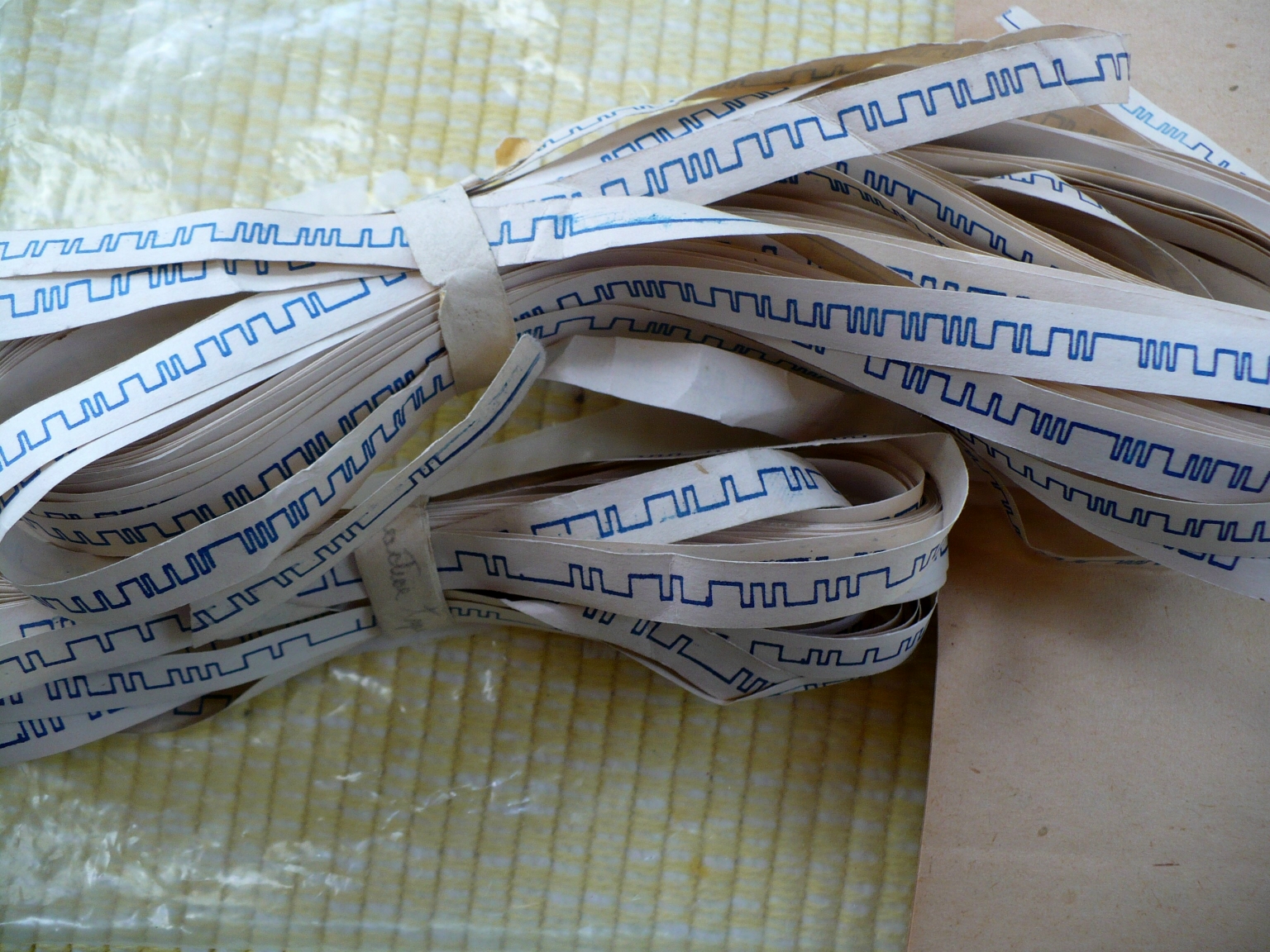
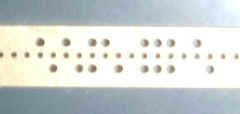
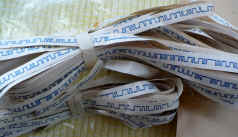
Wheatstone
tape: --.- ... - (QST)
 |
|
== |
==
|
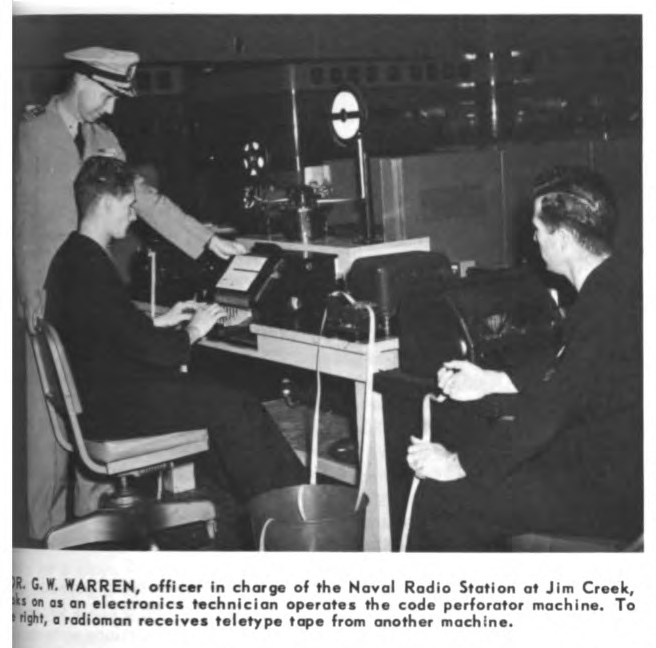
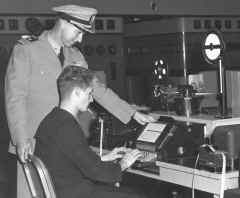
Wheatstone perforator and Boehme keying head in use at NLK Jim Creek,
1953. Boehme ink recorder is also shown on shelf above perforator.
 |
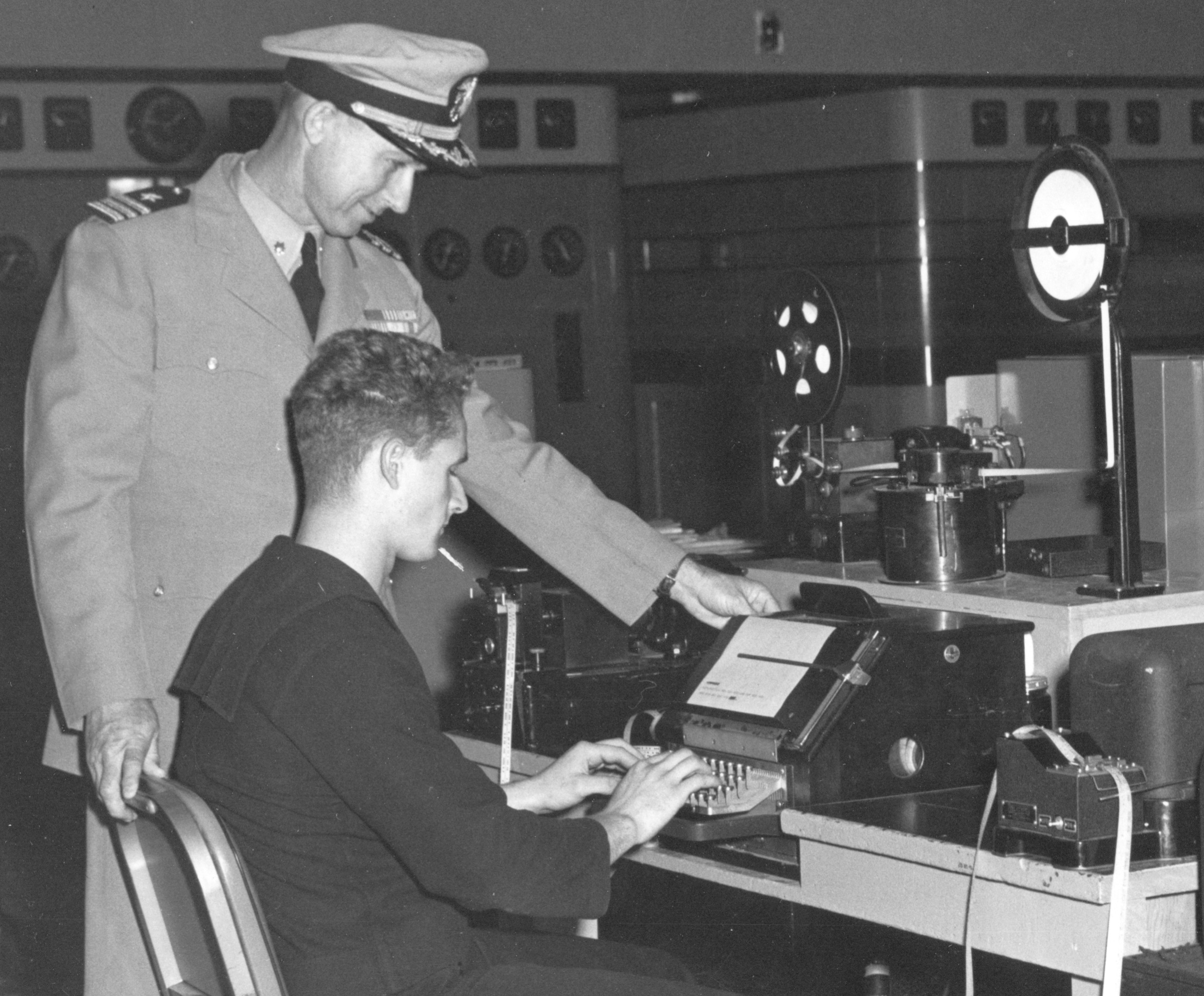
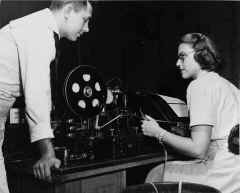
"WAVE Hope Humphreys operates a radio
circuit high-speed transmitter at the Naval
Communications Center, Washington, D.C.,
July 1945."
 |
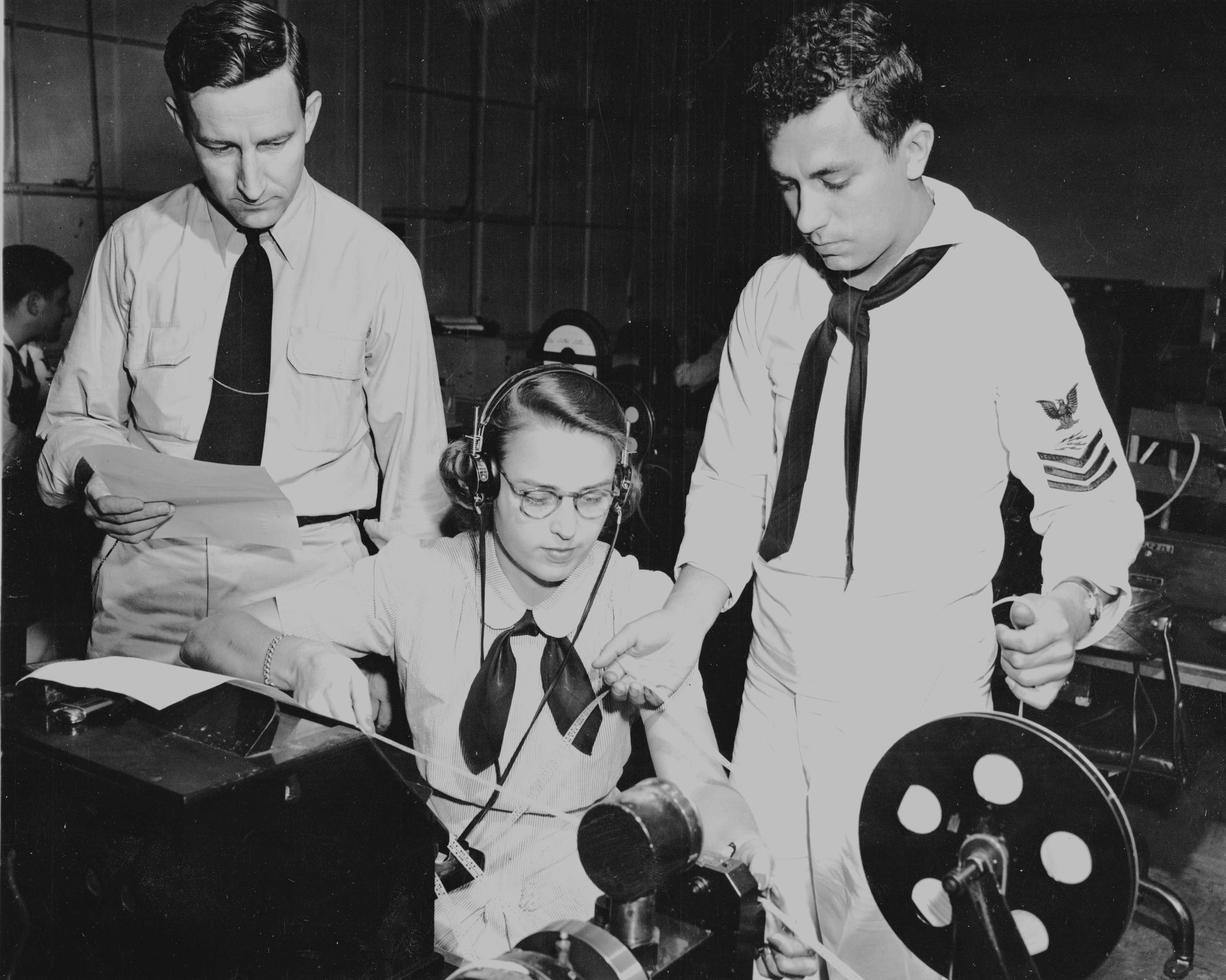
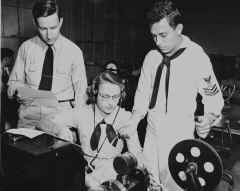
Messages on high speed - or Boehme - tape are checked
by (left to right) RMC Jasper Bert; RM2 Hope Humphreys, and RM1 Edward J,
Markaity - Naval
Communications Center, Washington, D.C.,
July 1945
 |
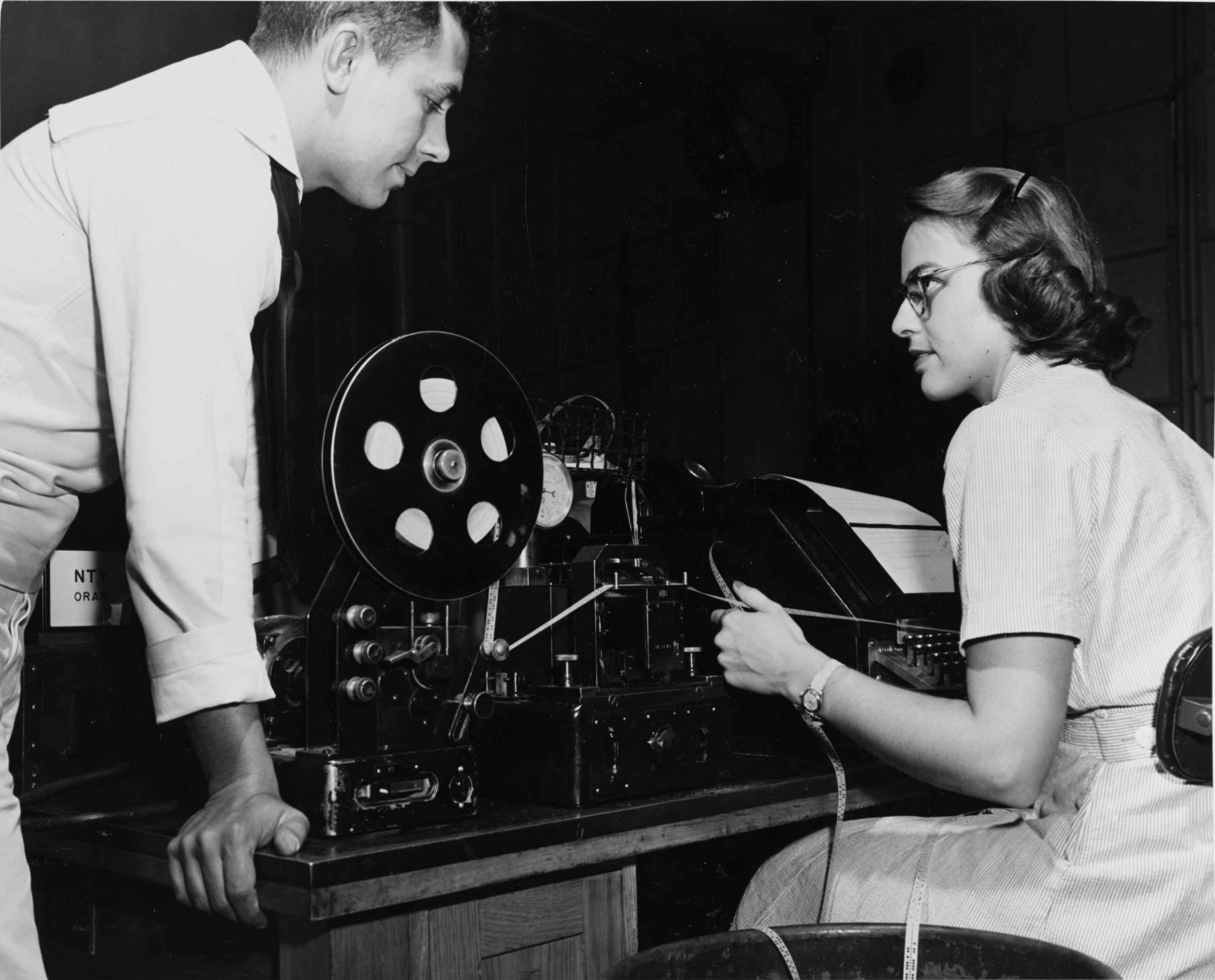
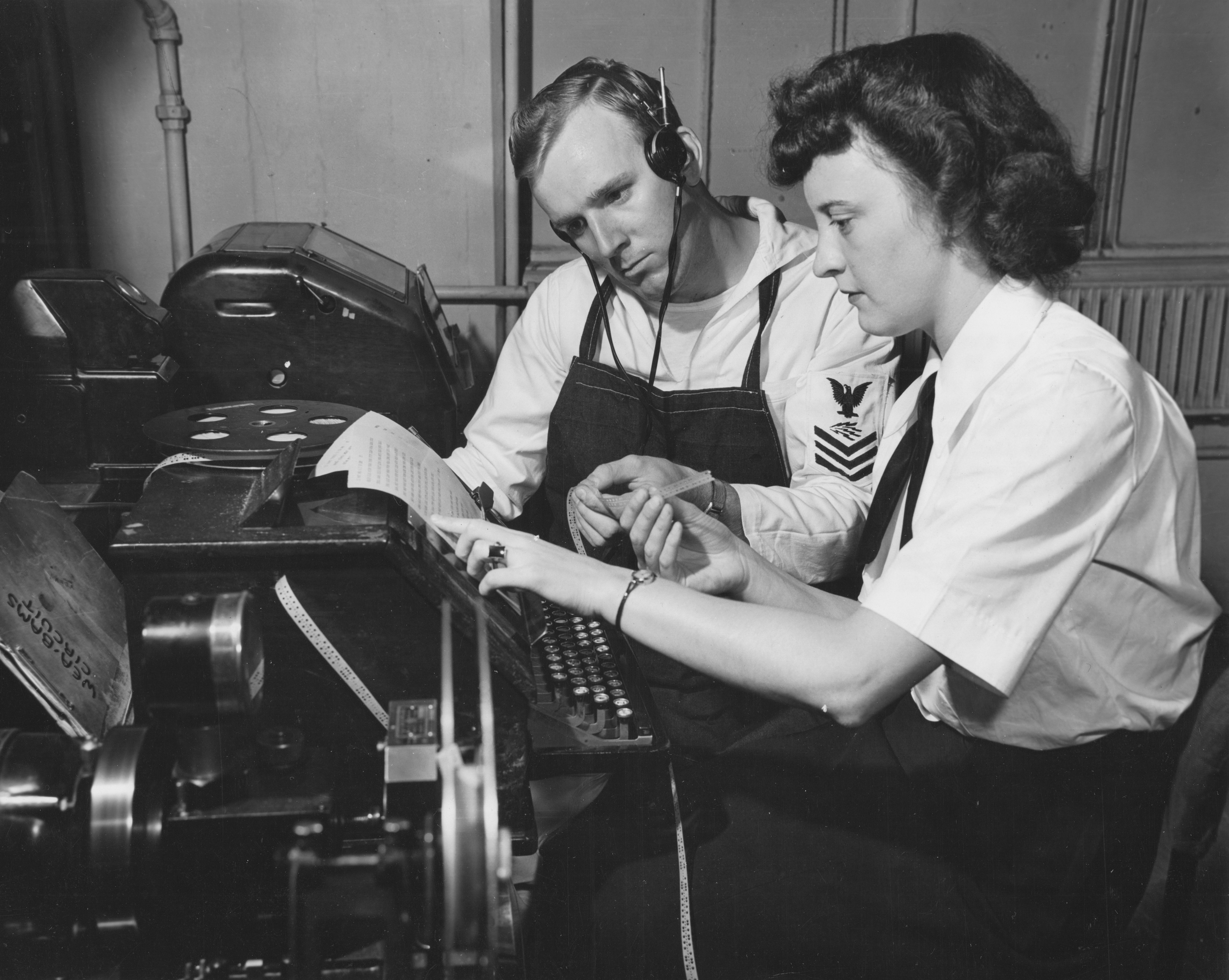
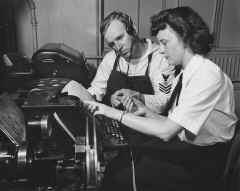
Radioman First Class Norma Challis of Ernsworth, Pa. and Radioman First
Class Harold V. Alberts of Minneapolis, Minn. check messages at the Naval
Communications Center, Washington, D.C.,
July 1945
|
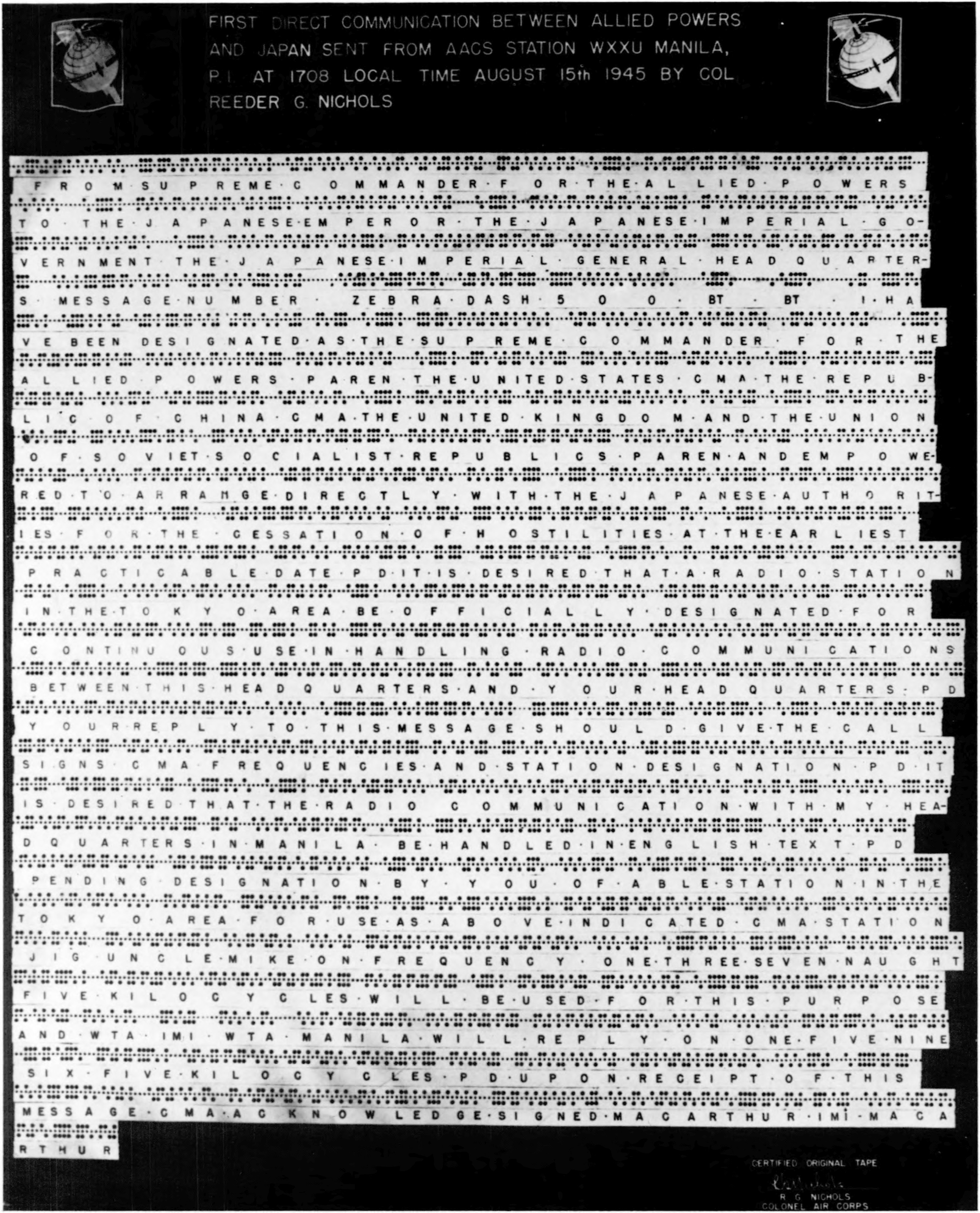
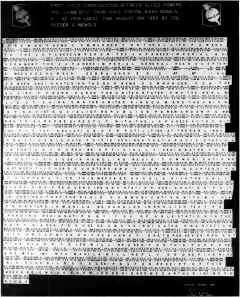
Wheatstone tape message with translation - Japanese surrender
 |
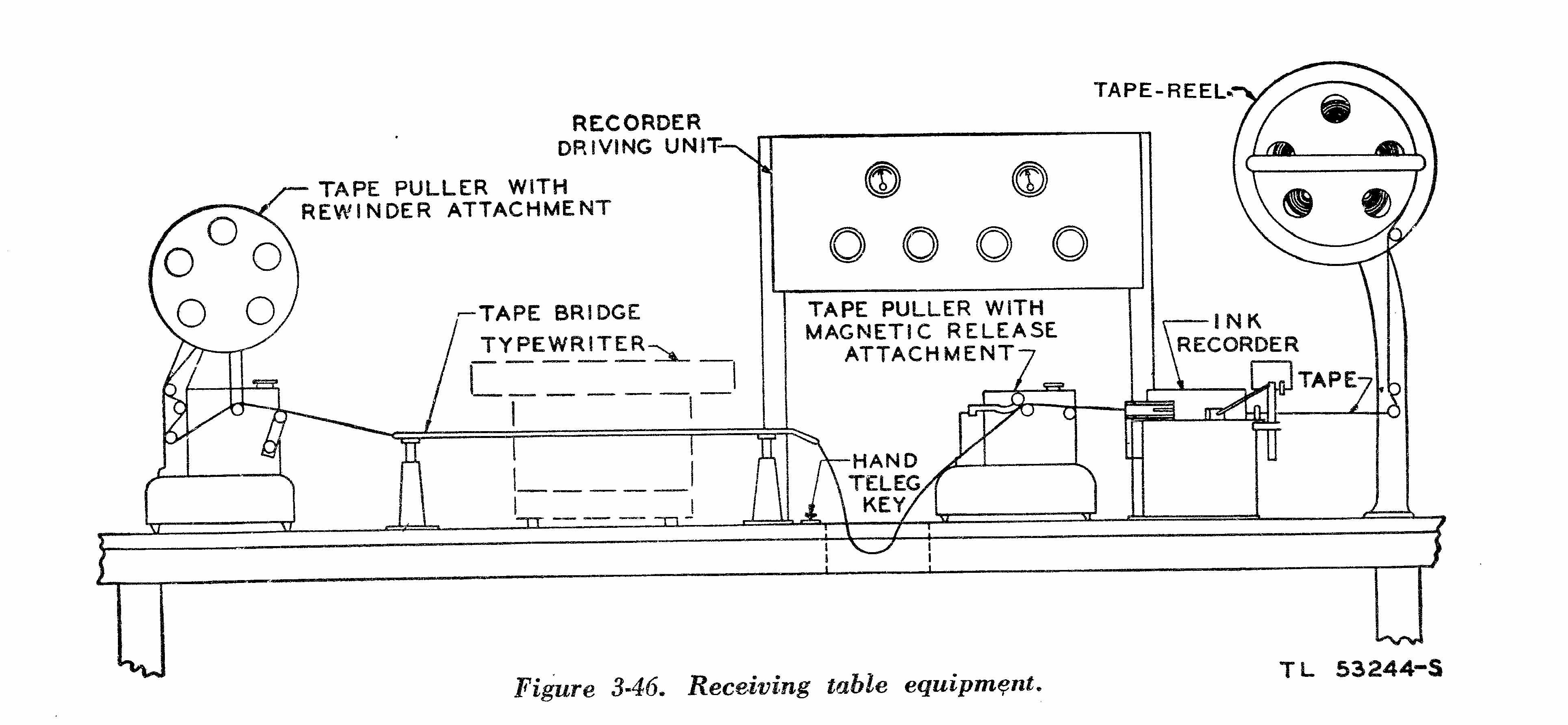
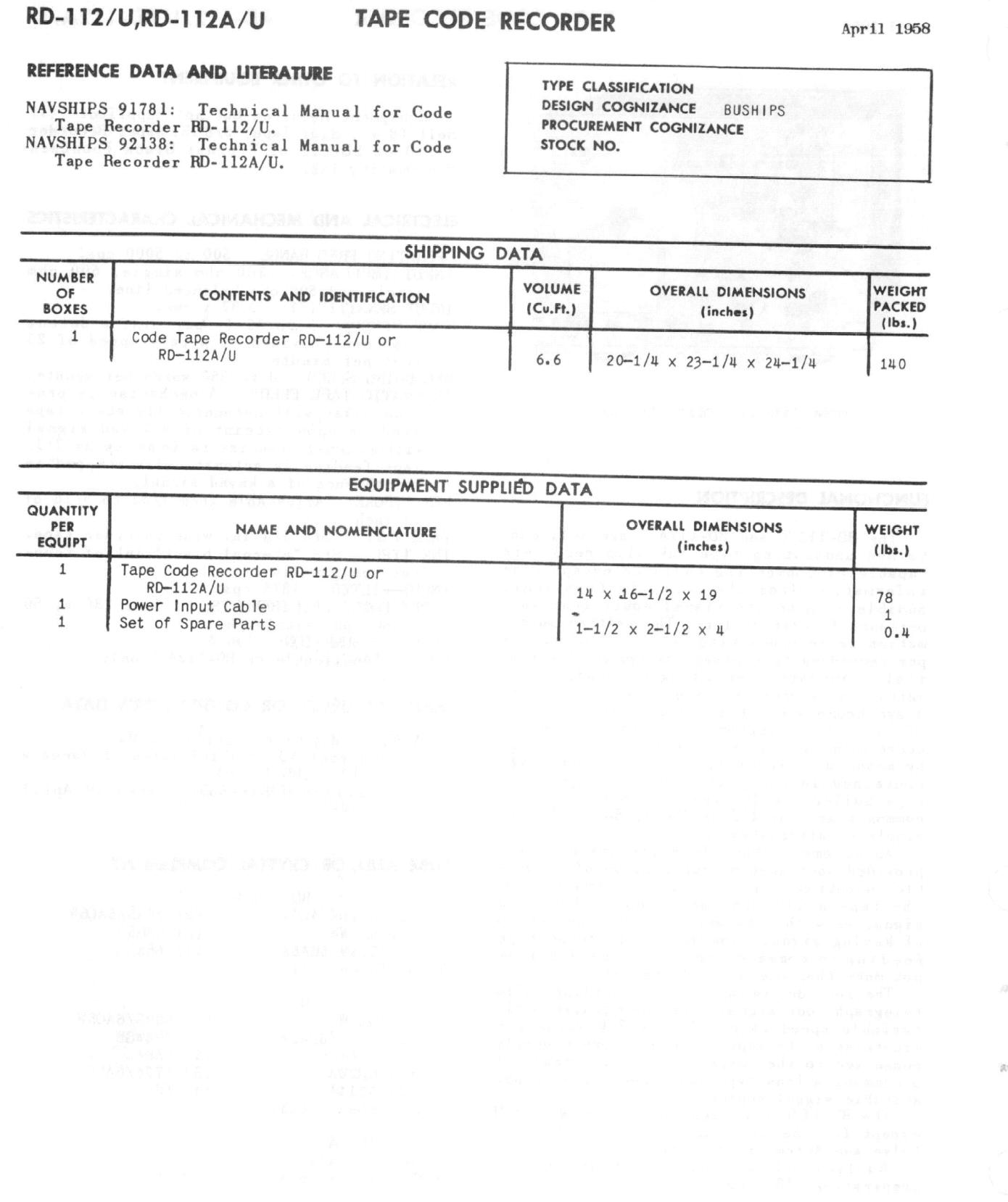
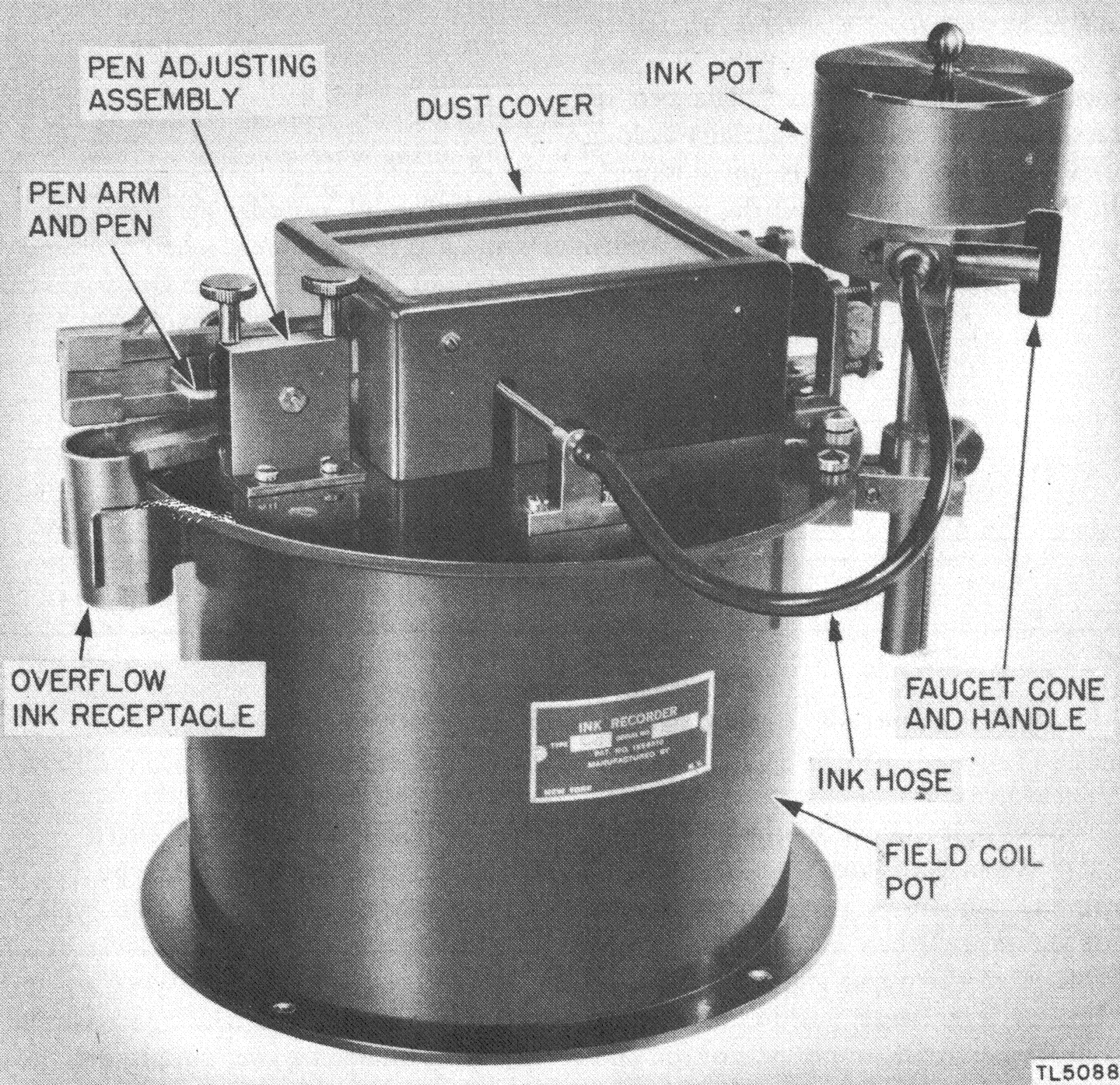
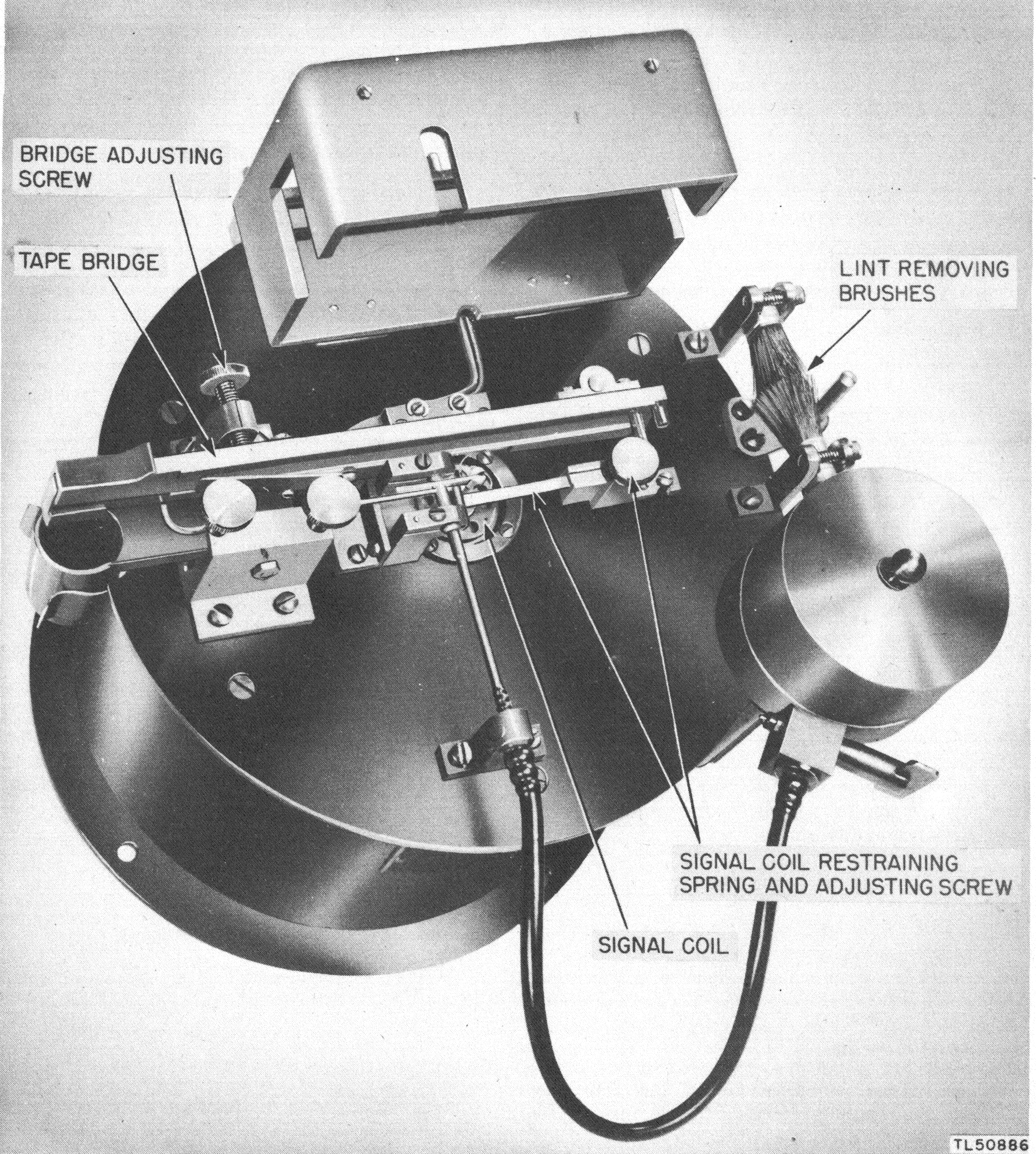
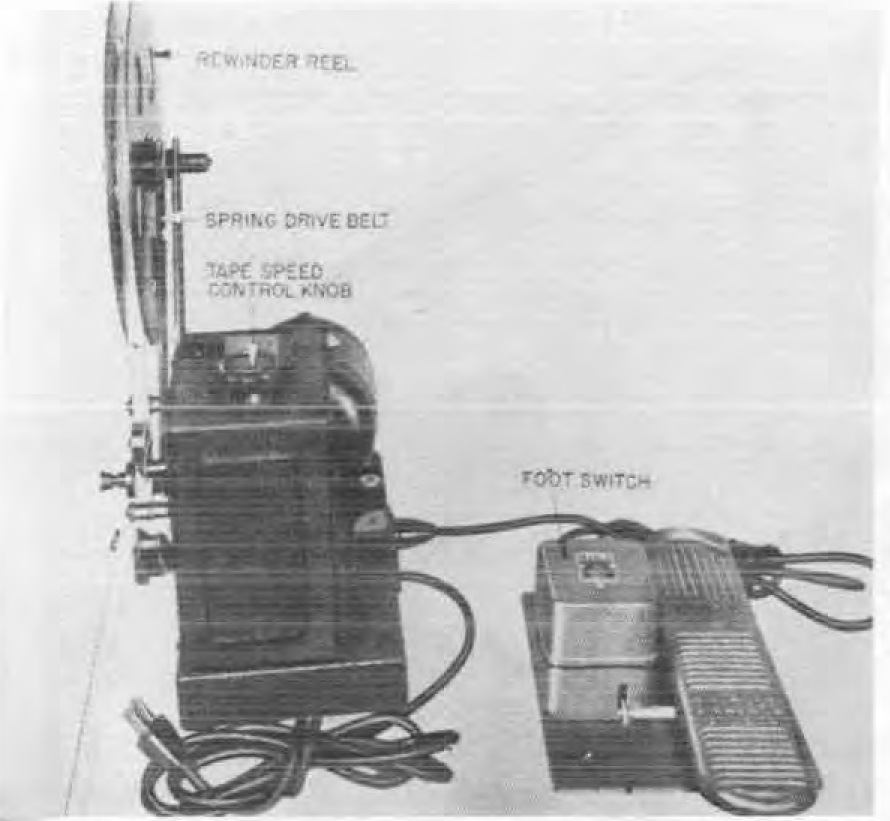
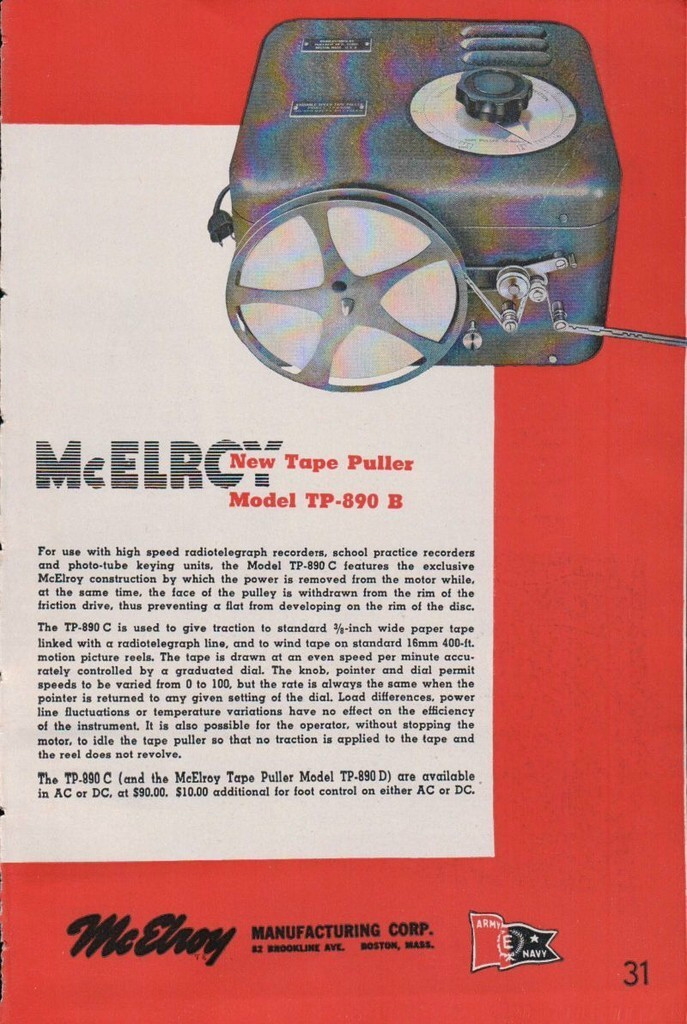
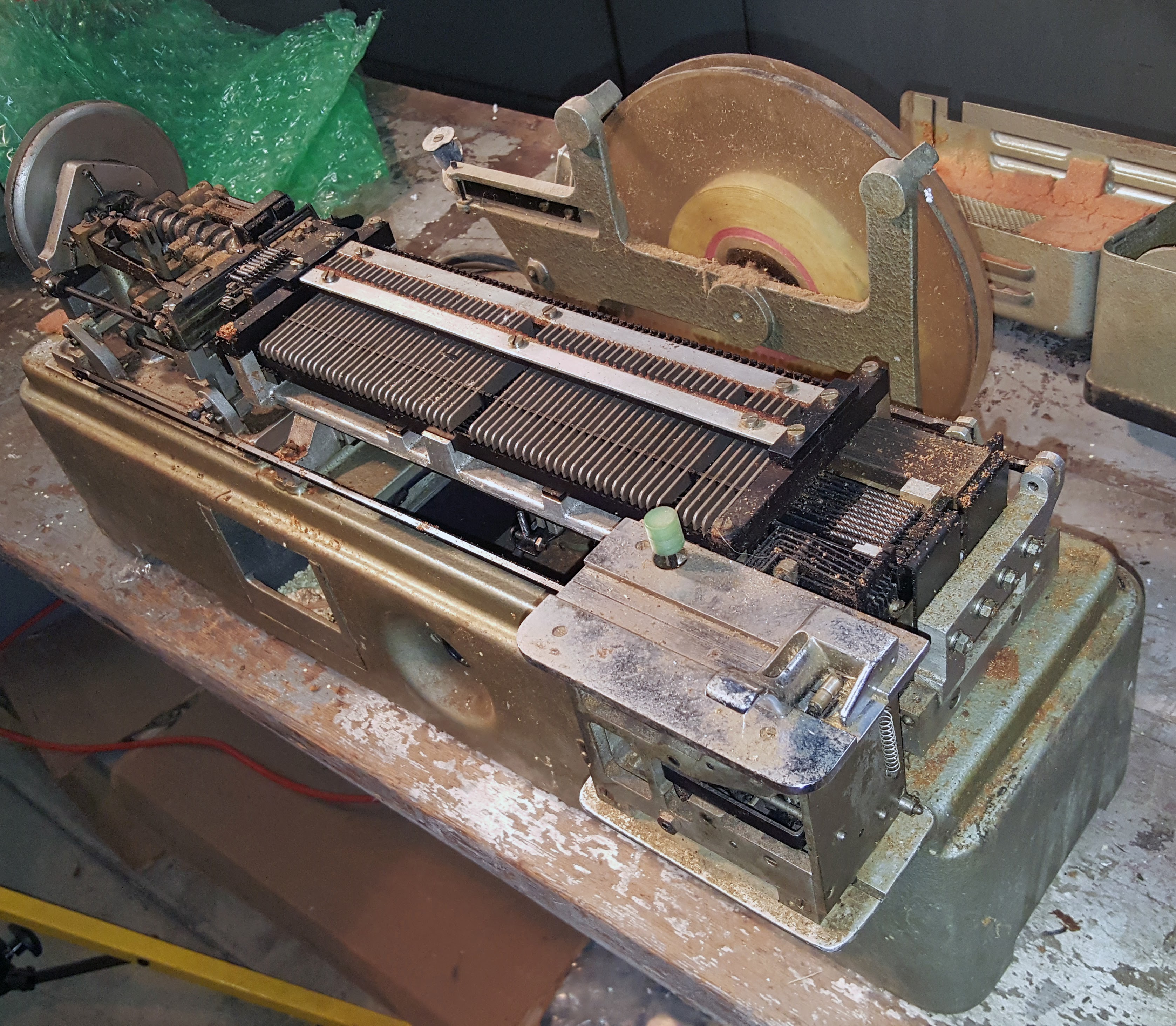
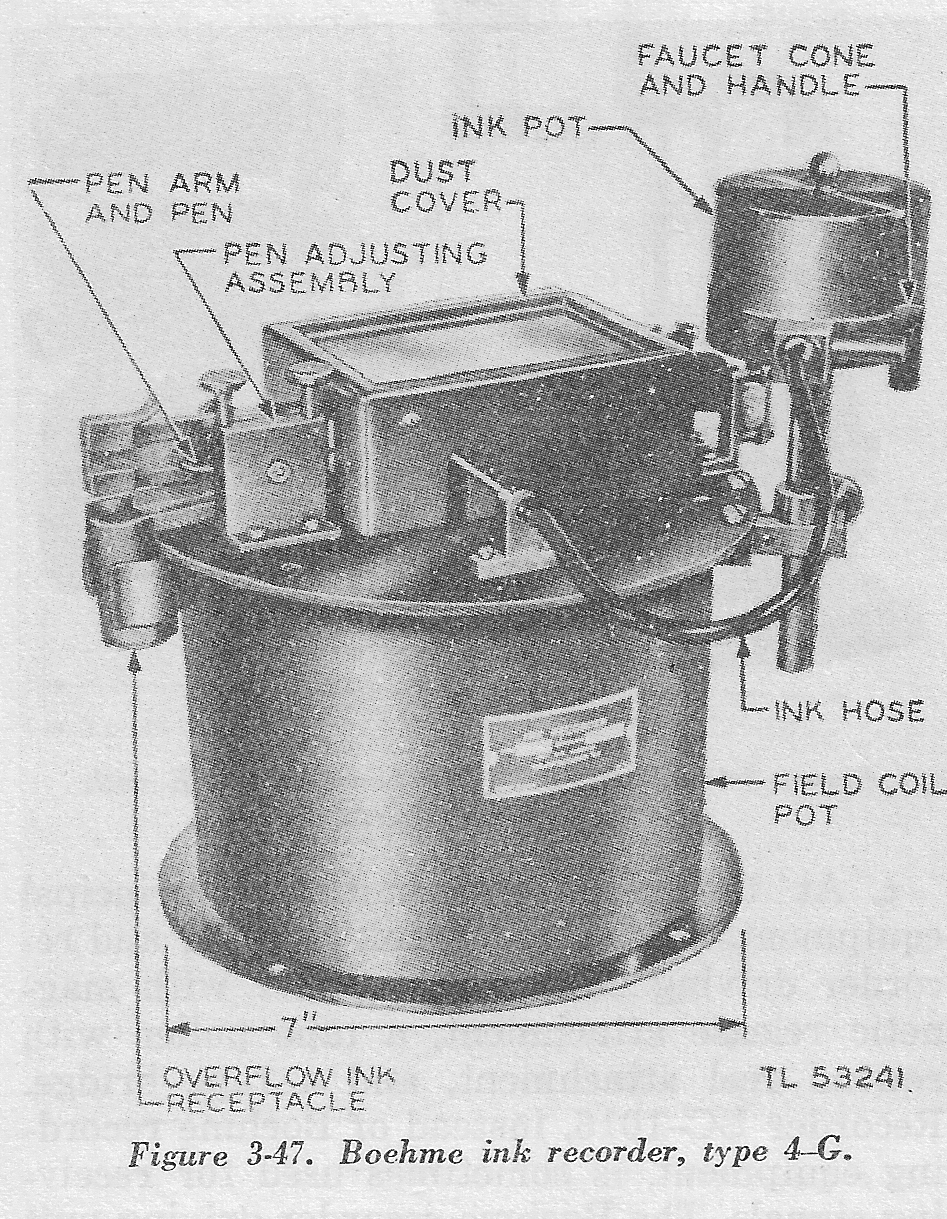
At the receiving end of a high-speed link, Morse was recorded in ink onto a paper tape - the tape
("slip") was then read by Radiomen who typed the messages using a mill
(typewriter) as the tape was pulled past the Radioman. |
|
Video of Rob
Flory's BC-1016 inker at work
|
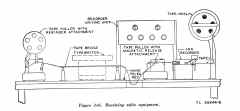 |
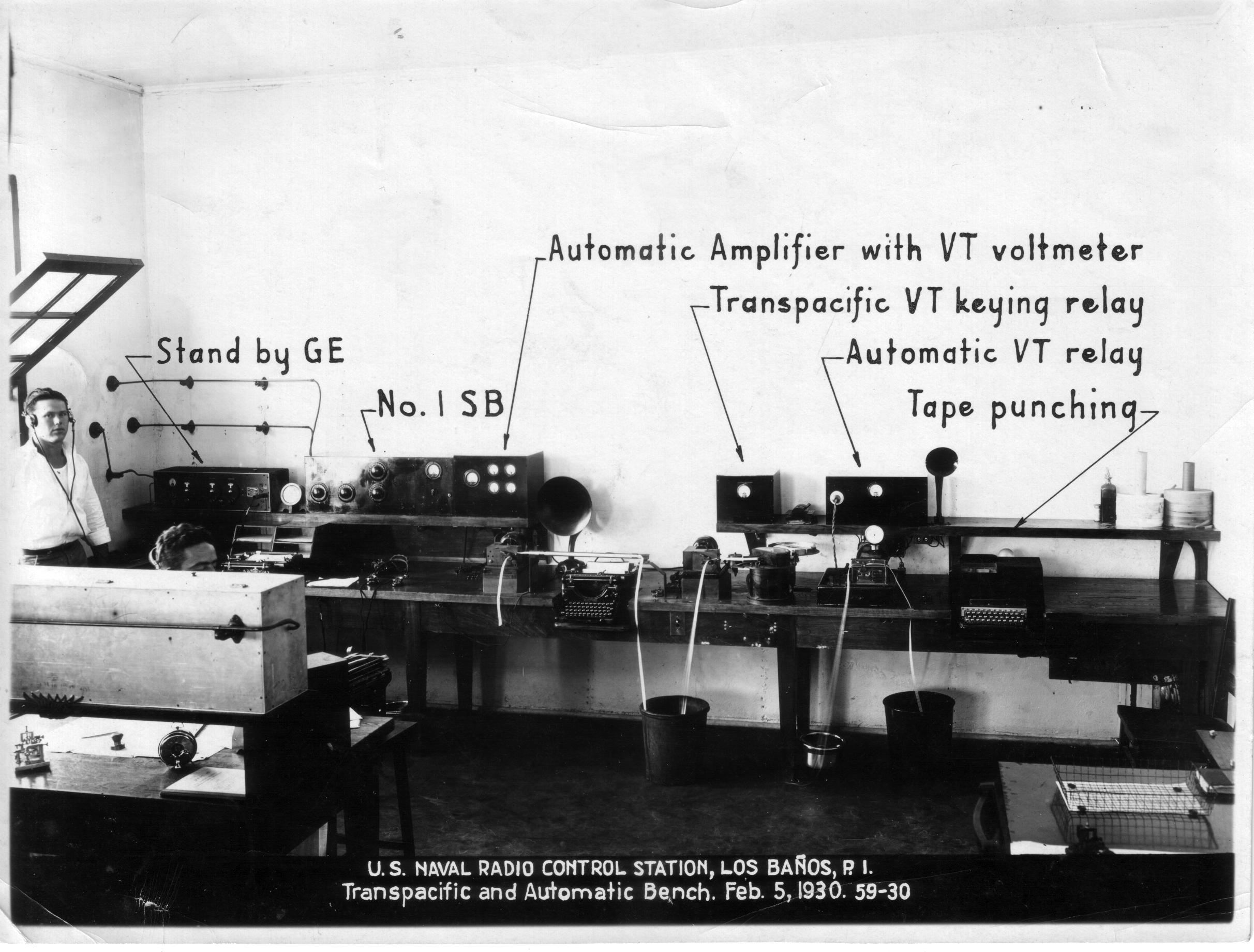
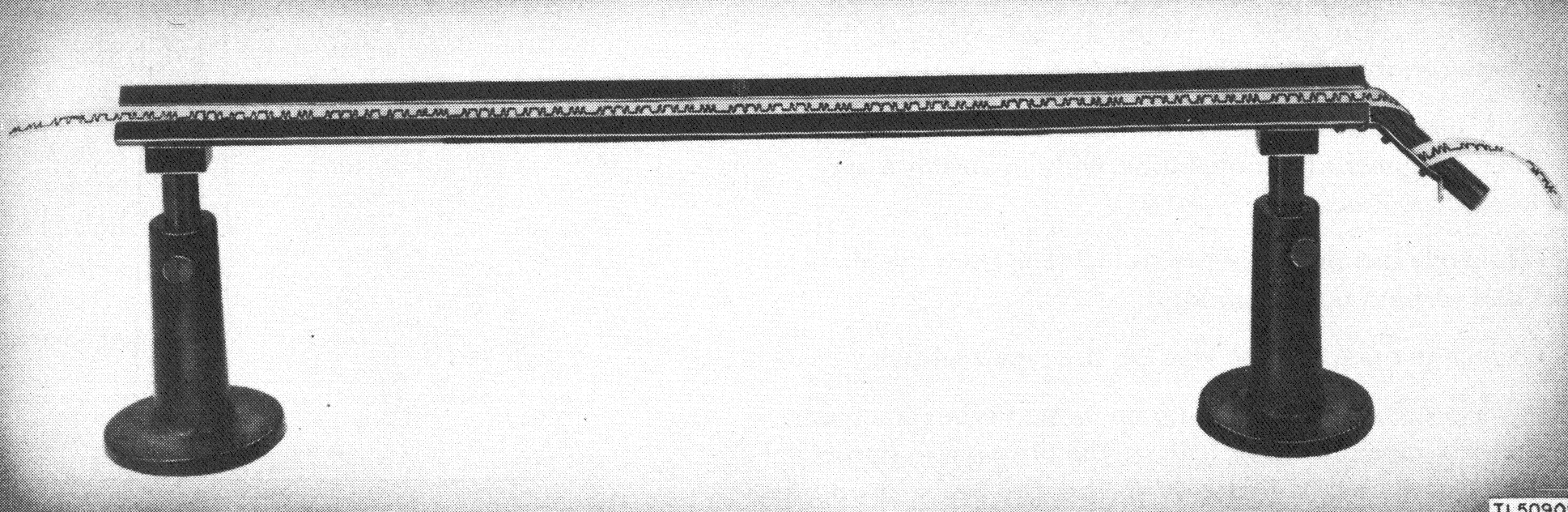
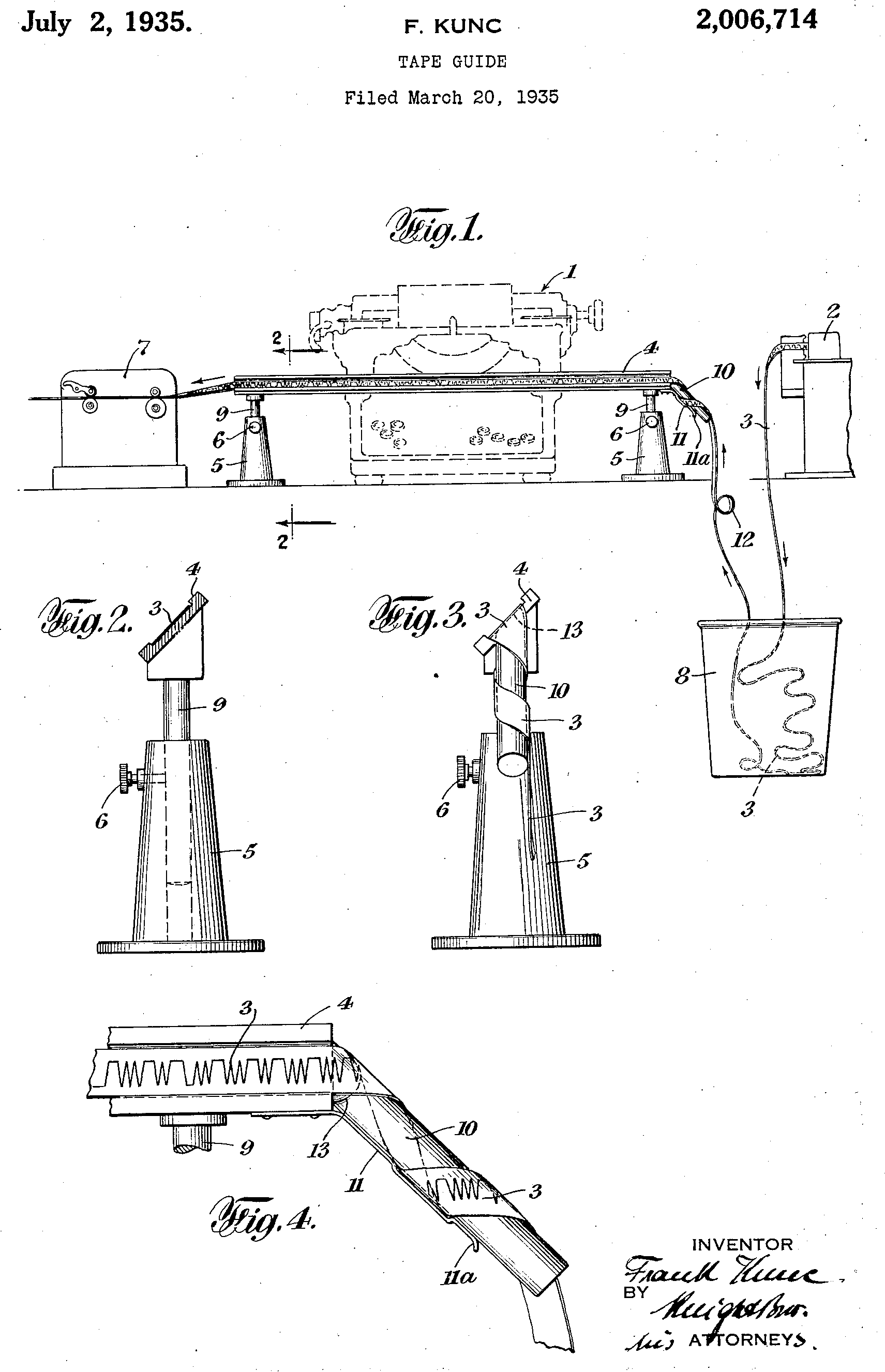
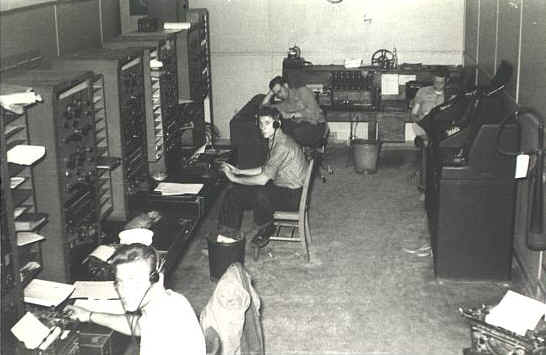
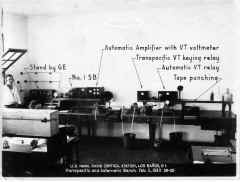
NAVRADSTA Los Banos, PI , 1930 -
Right to Left - Wheatstone tape punch, keying head, ink recorder, and tape
bridge with puller - note waste cans as "buffer storage"
|
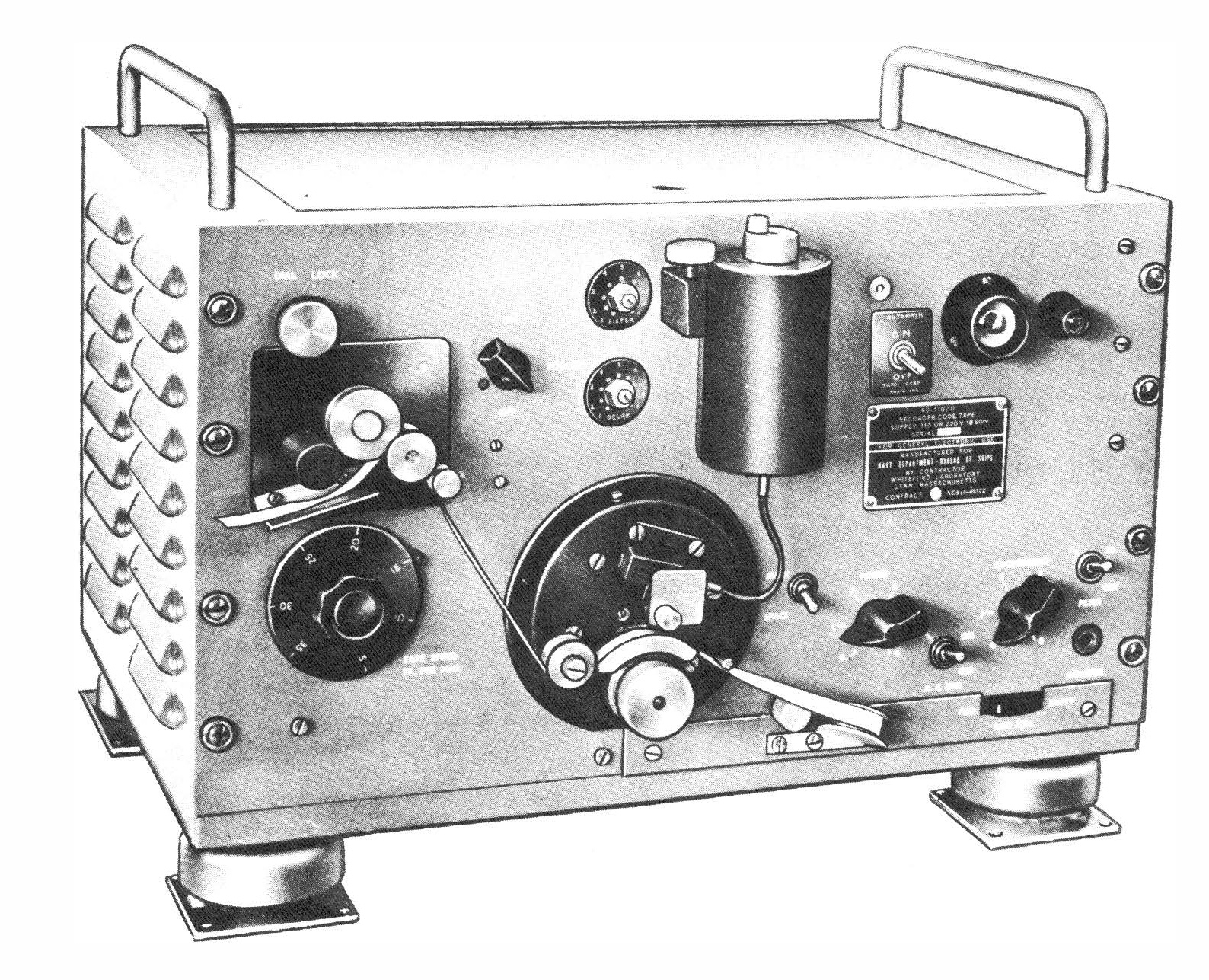
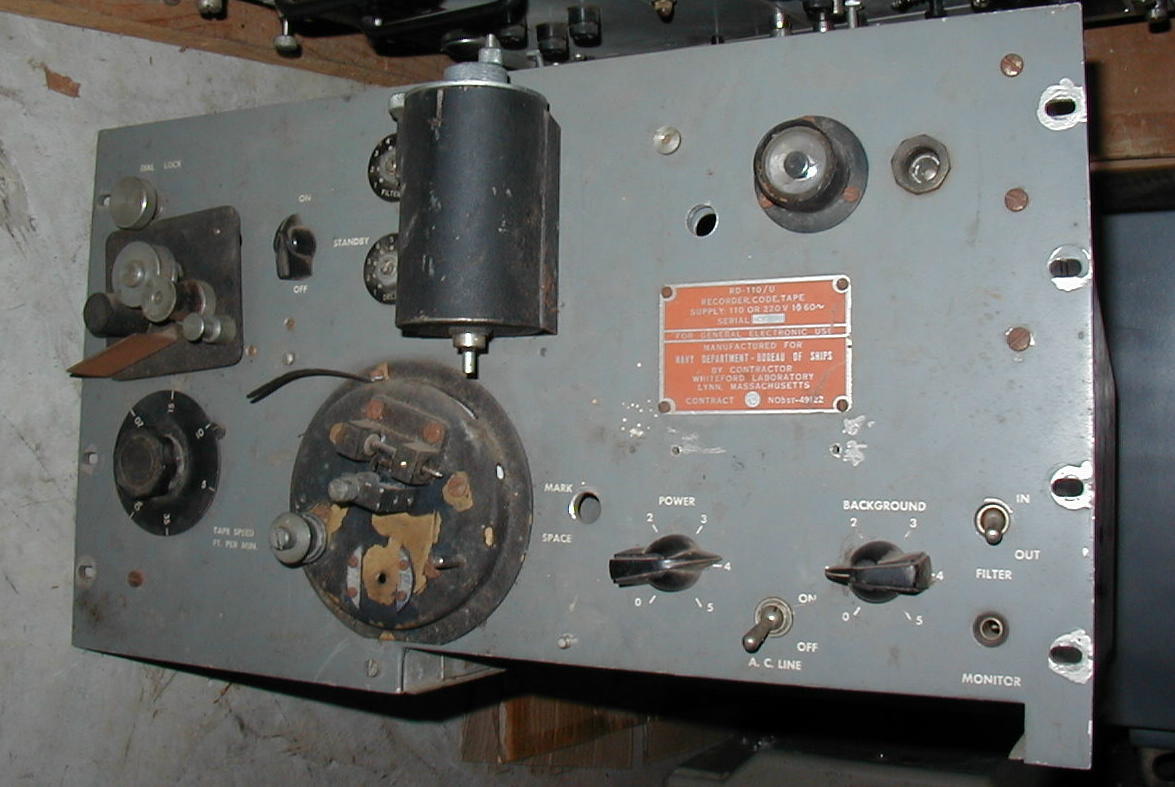
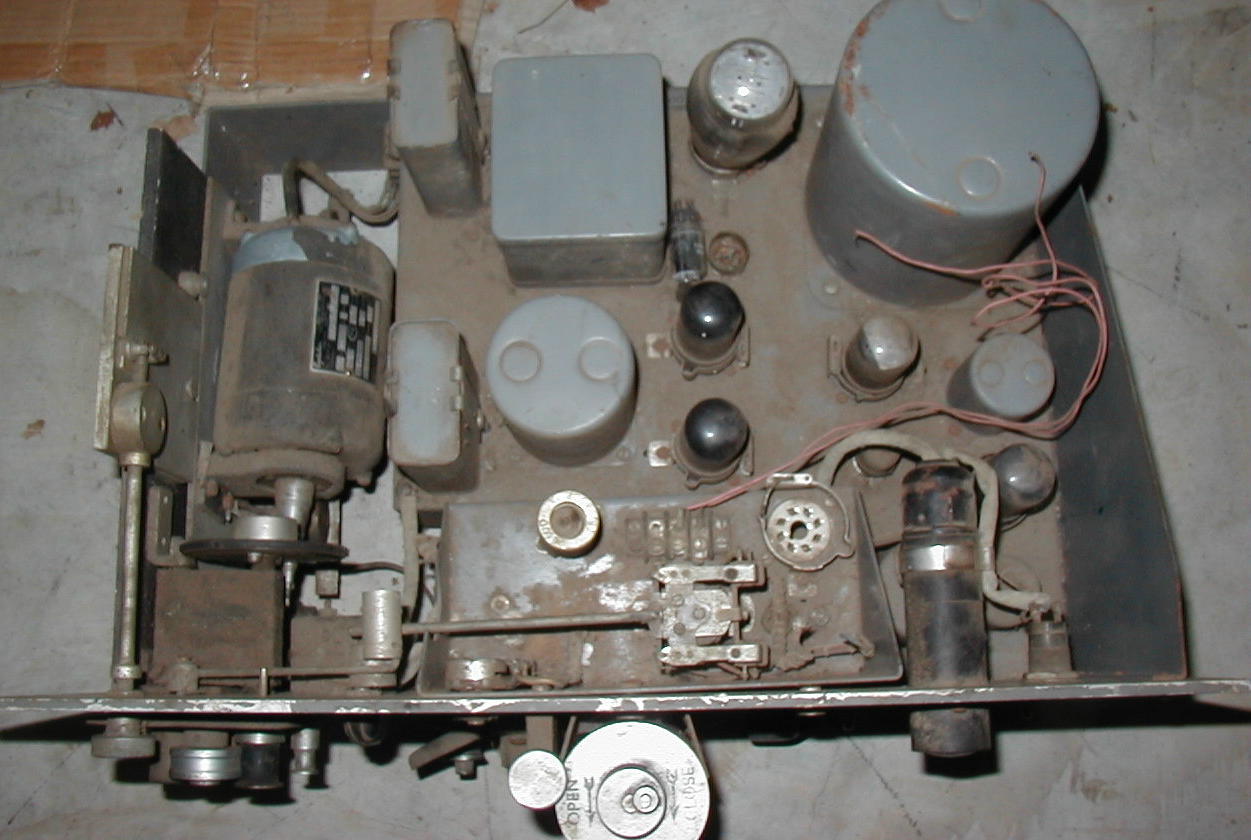
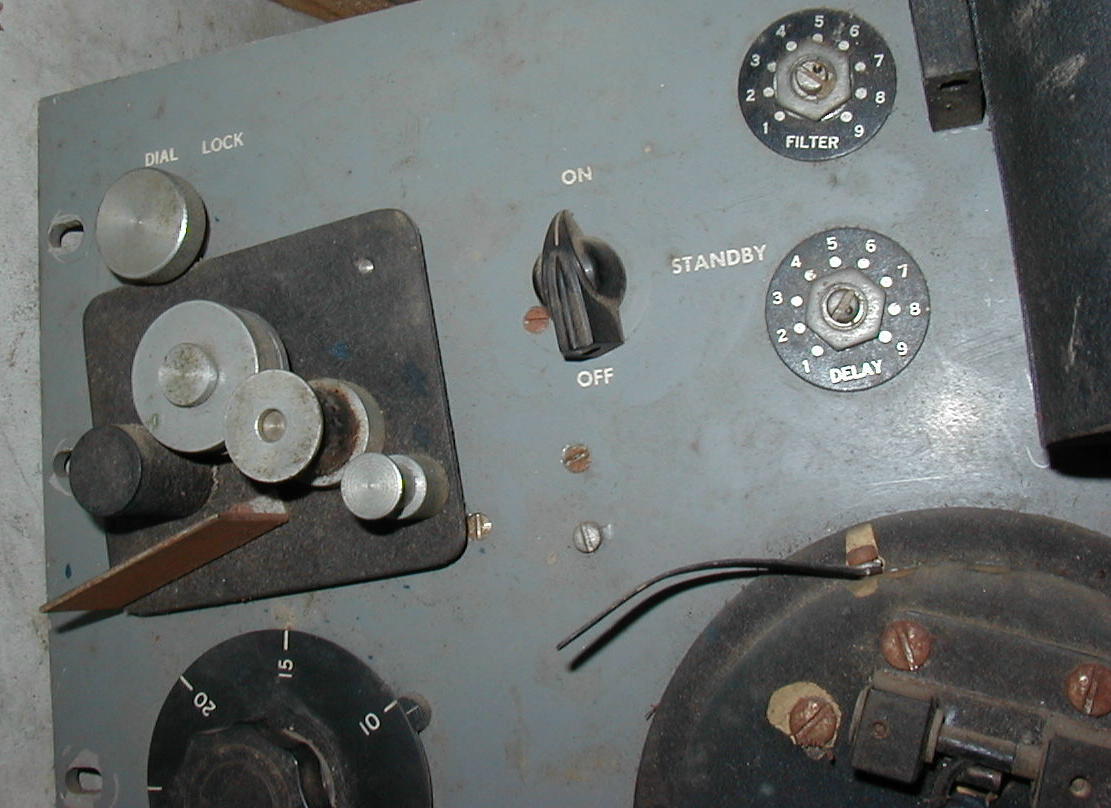
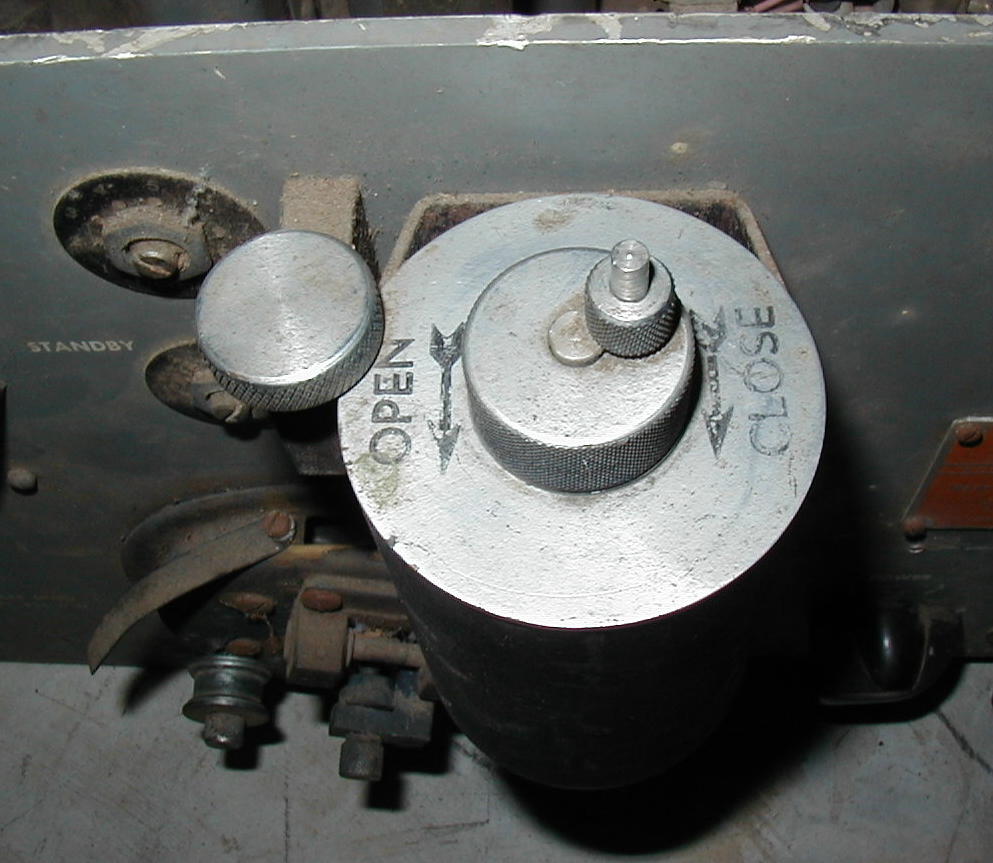
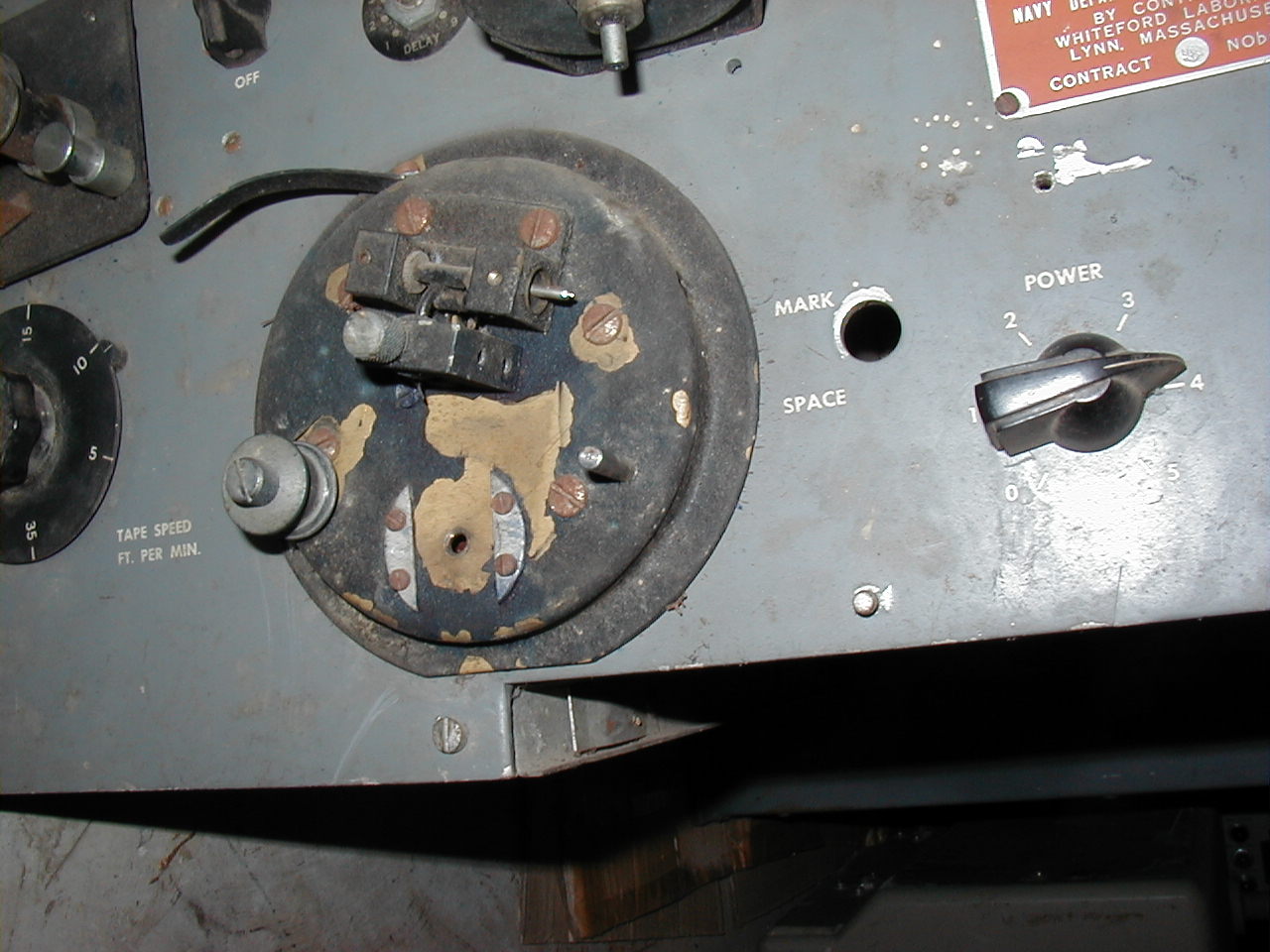
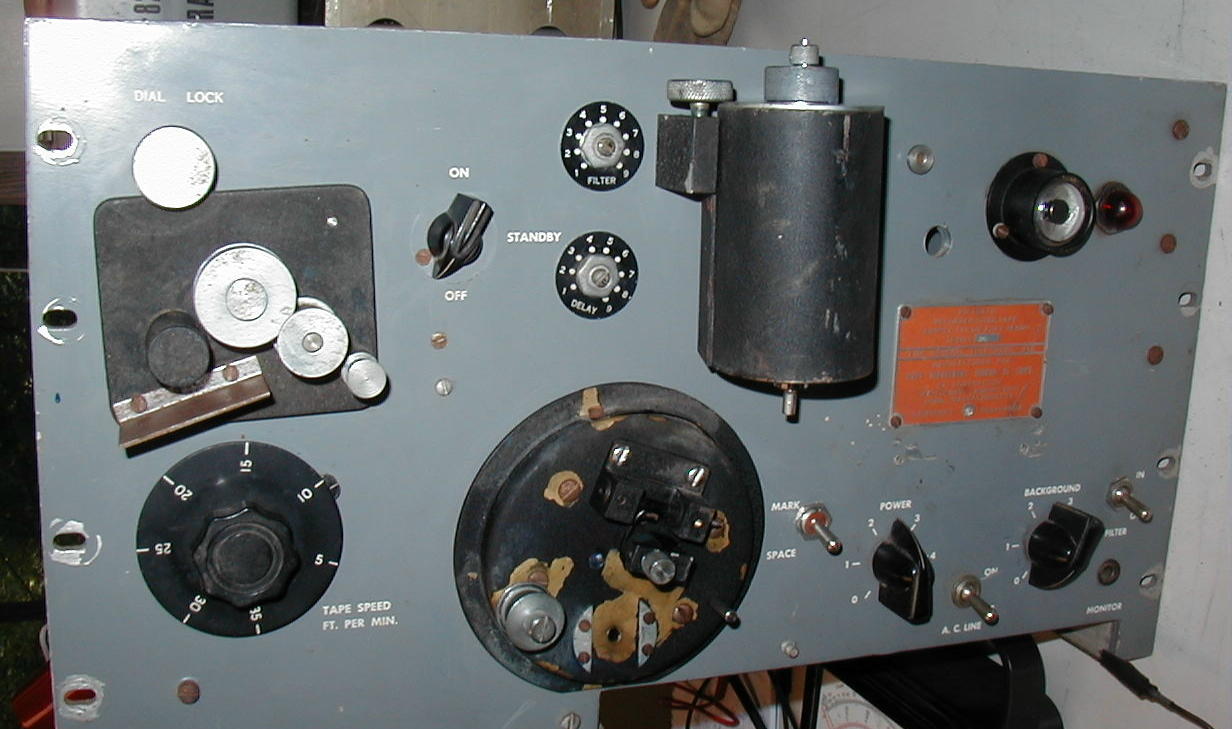
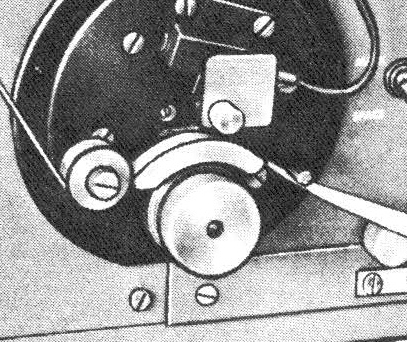
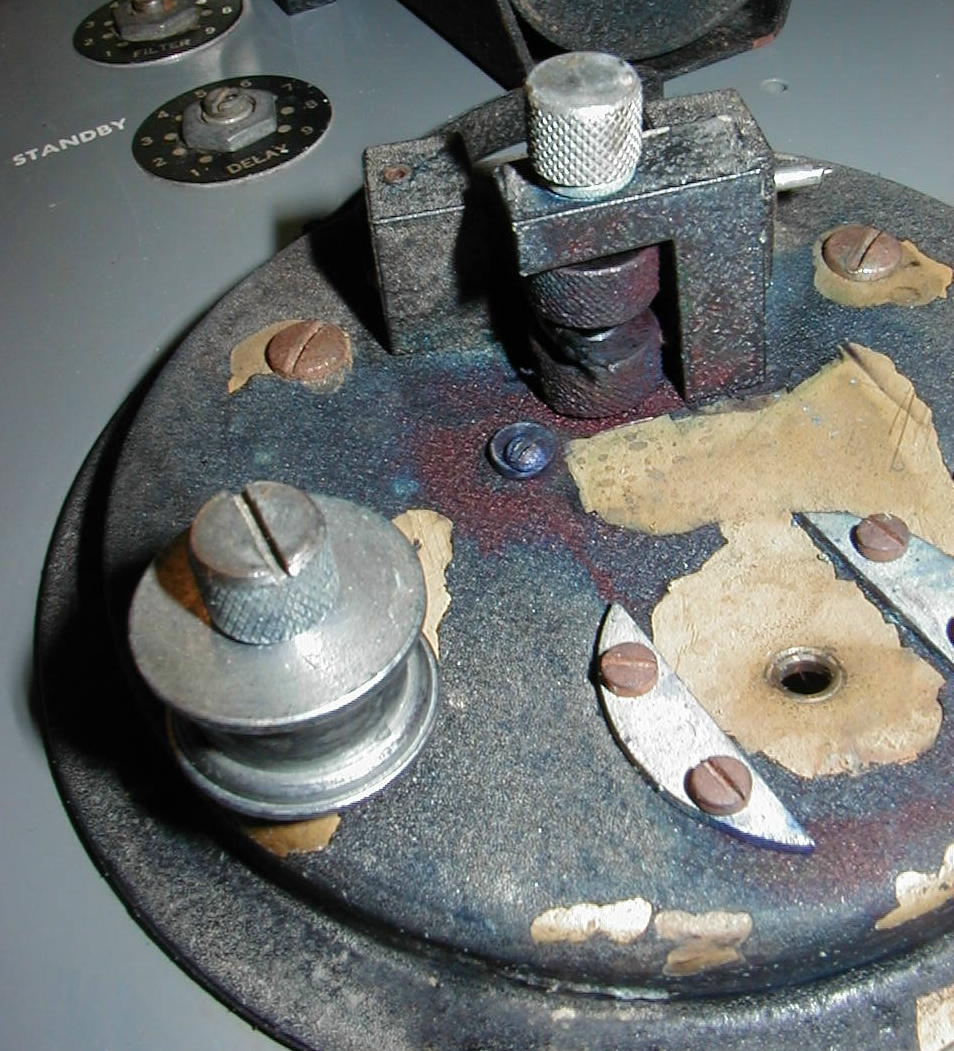
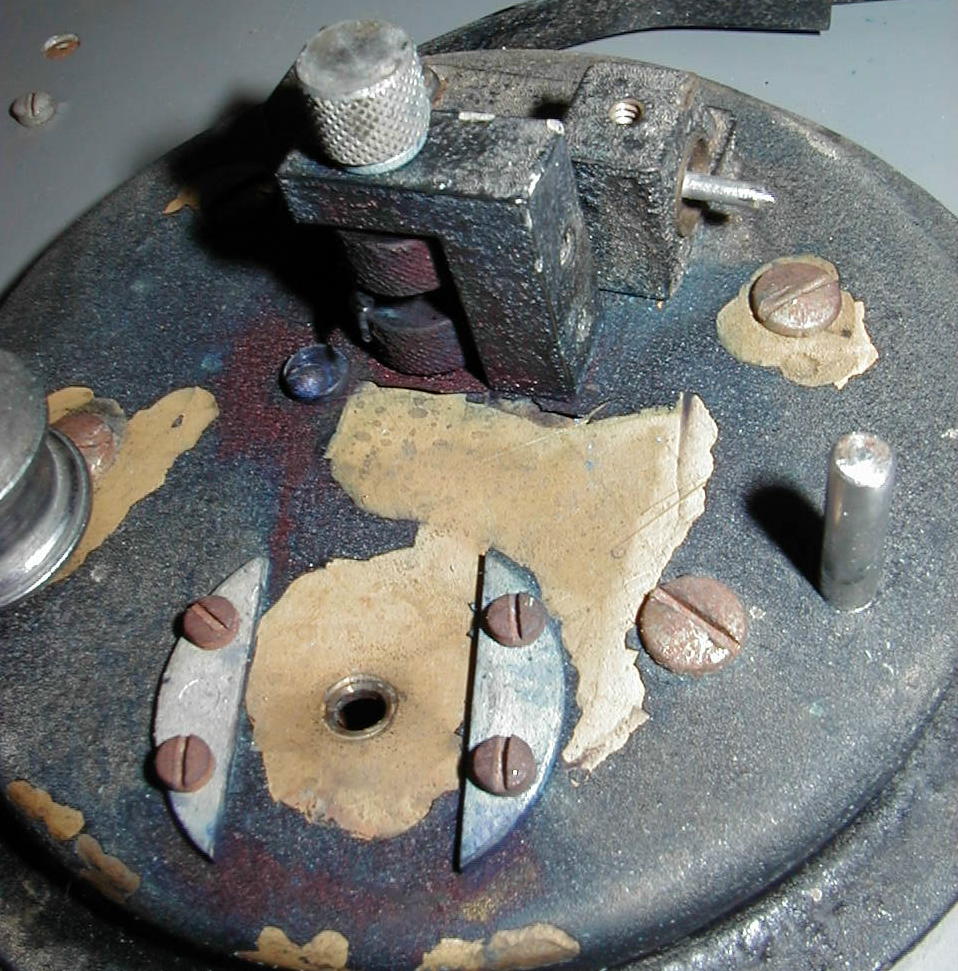
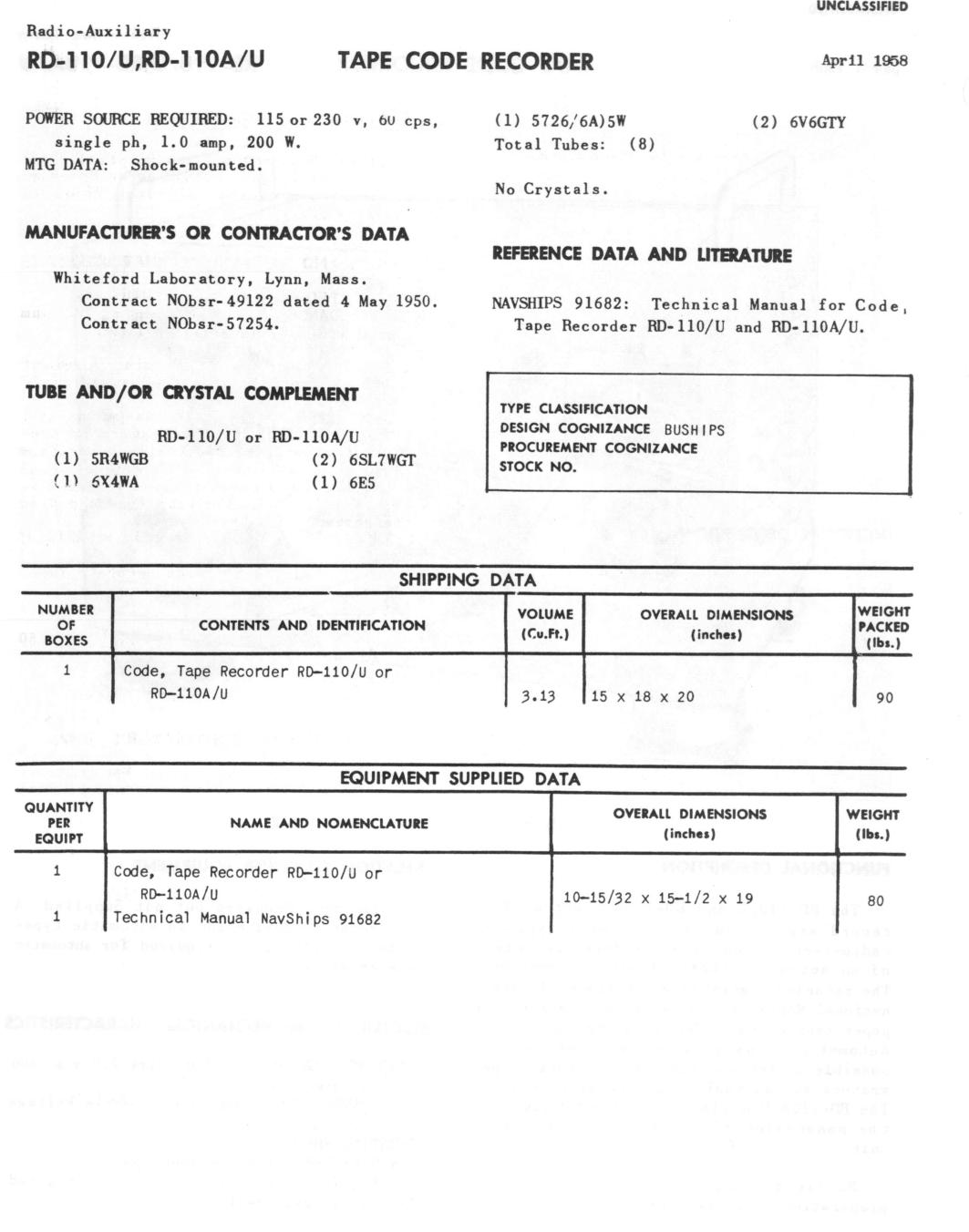
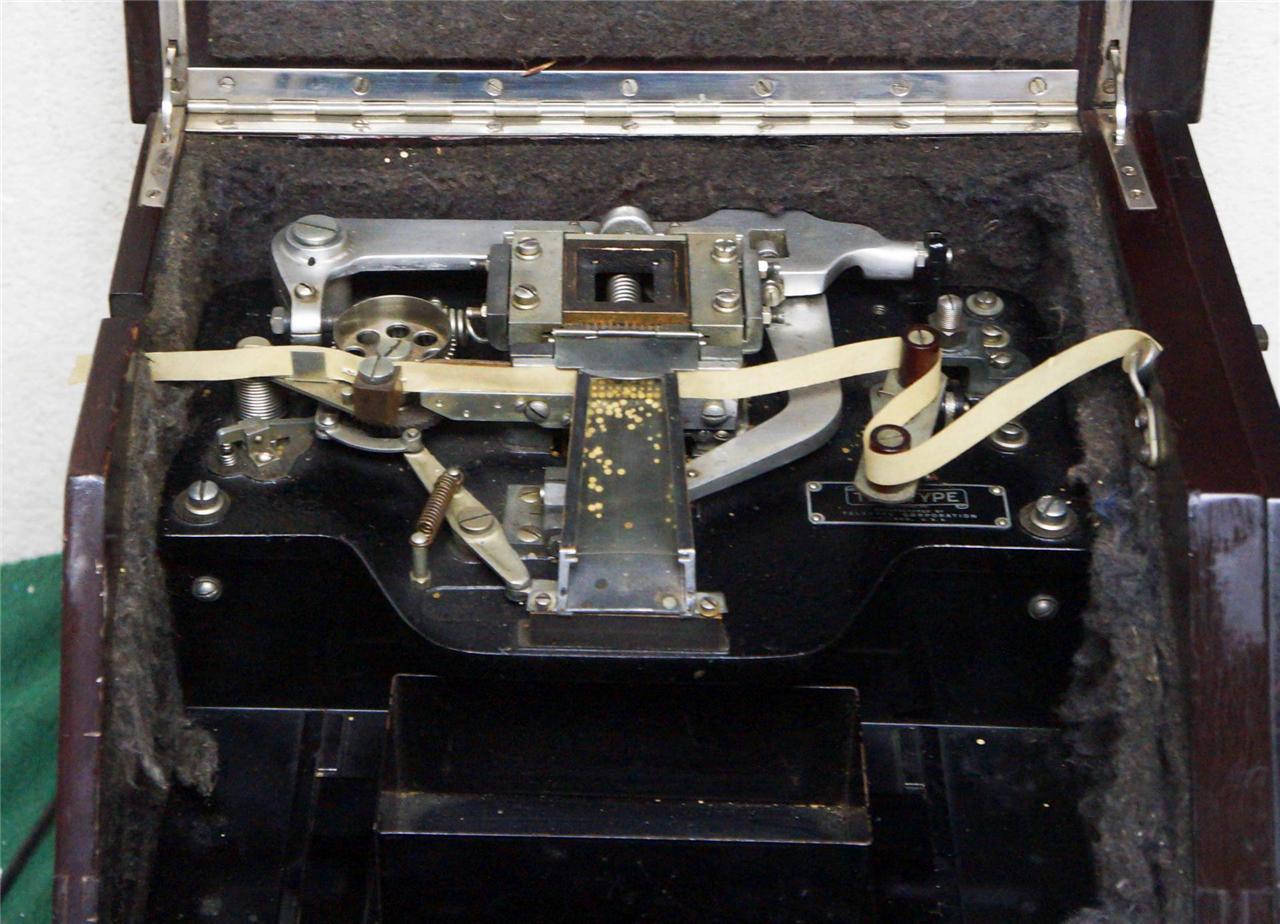
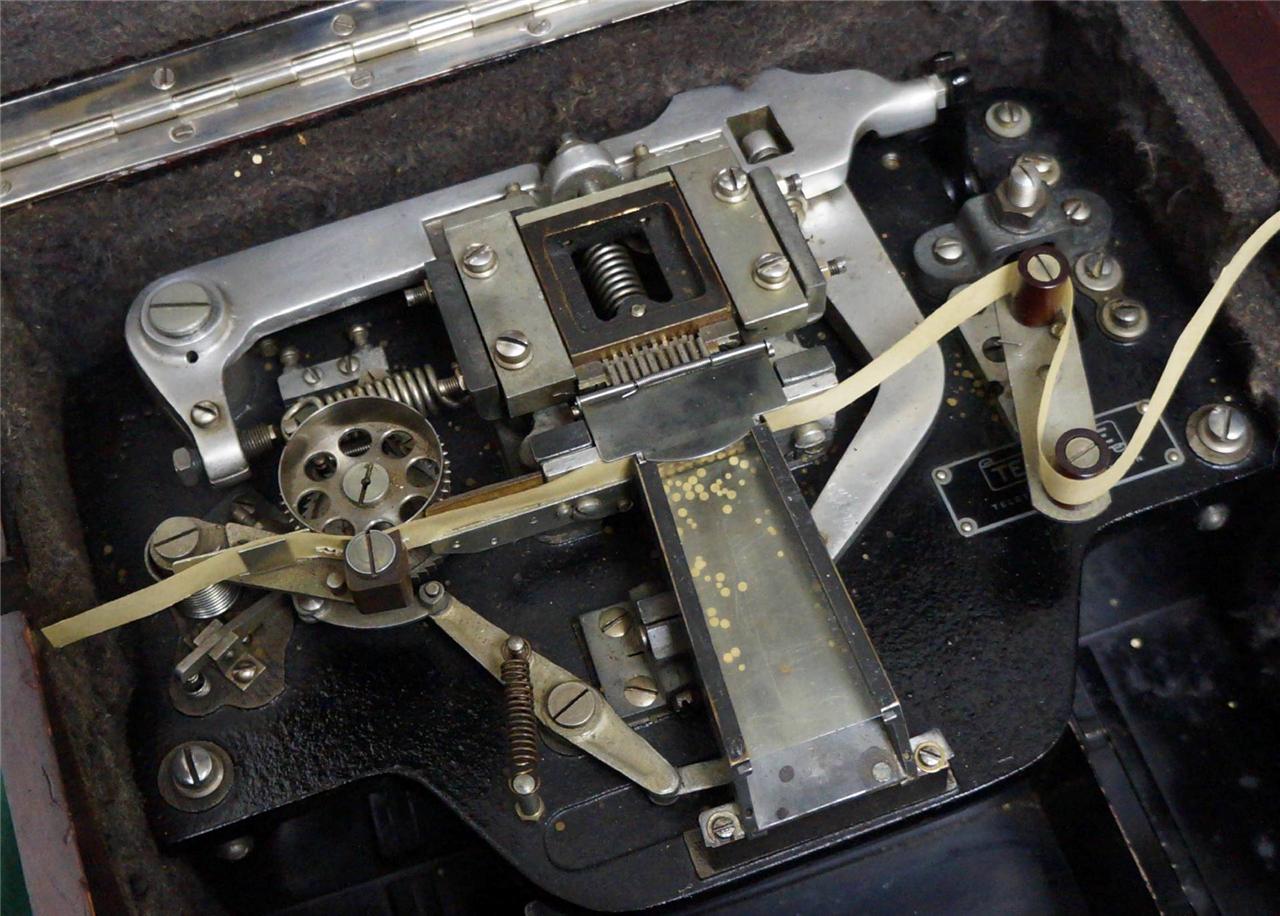
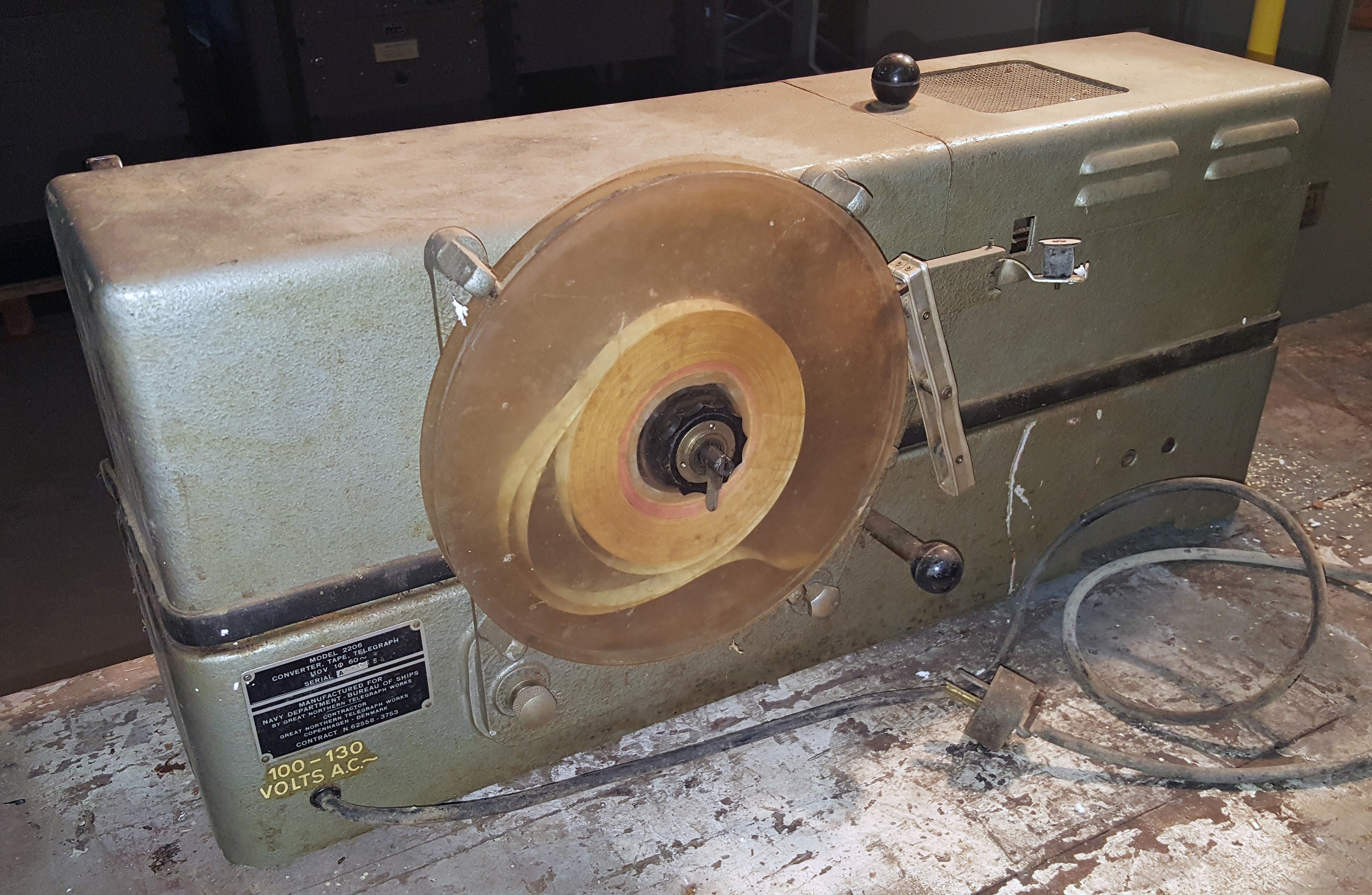
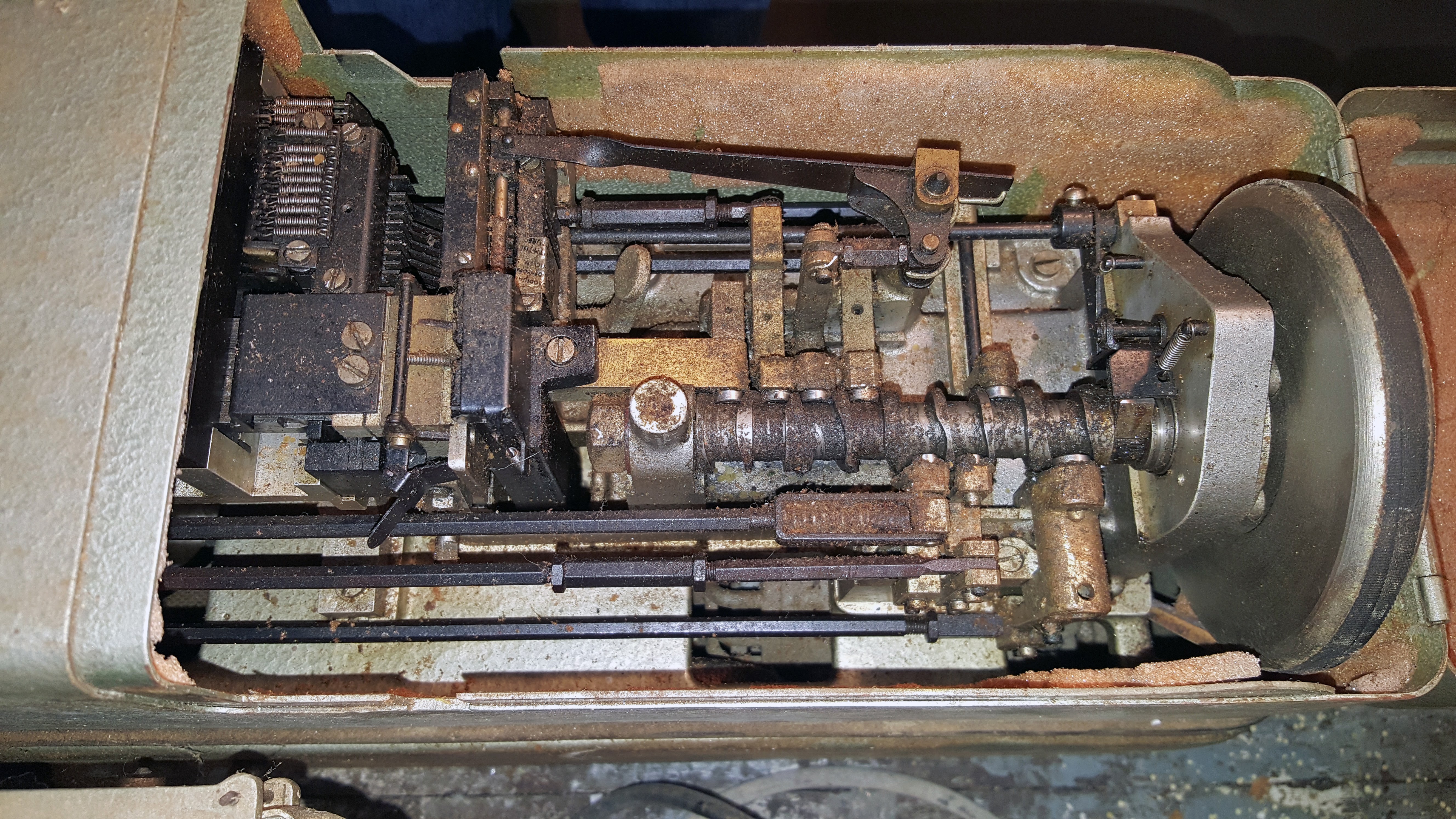
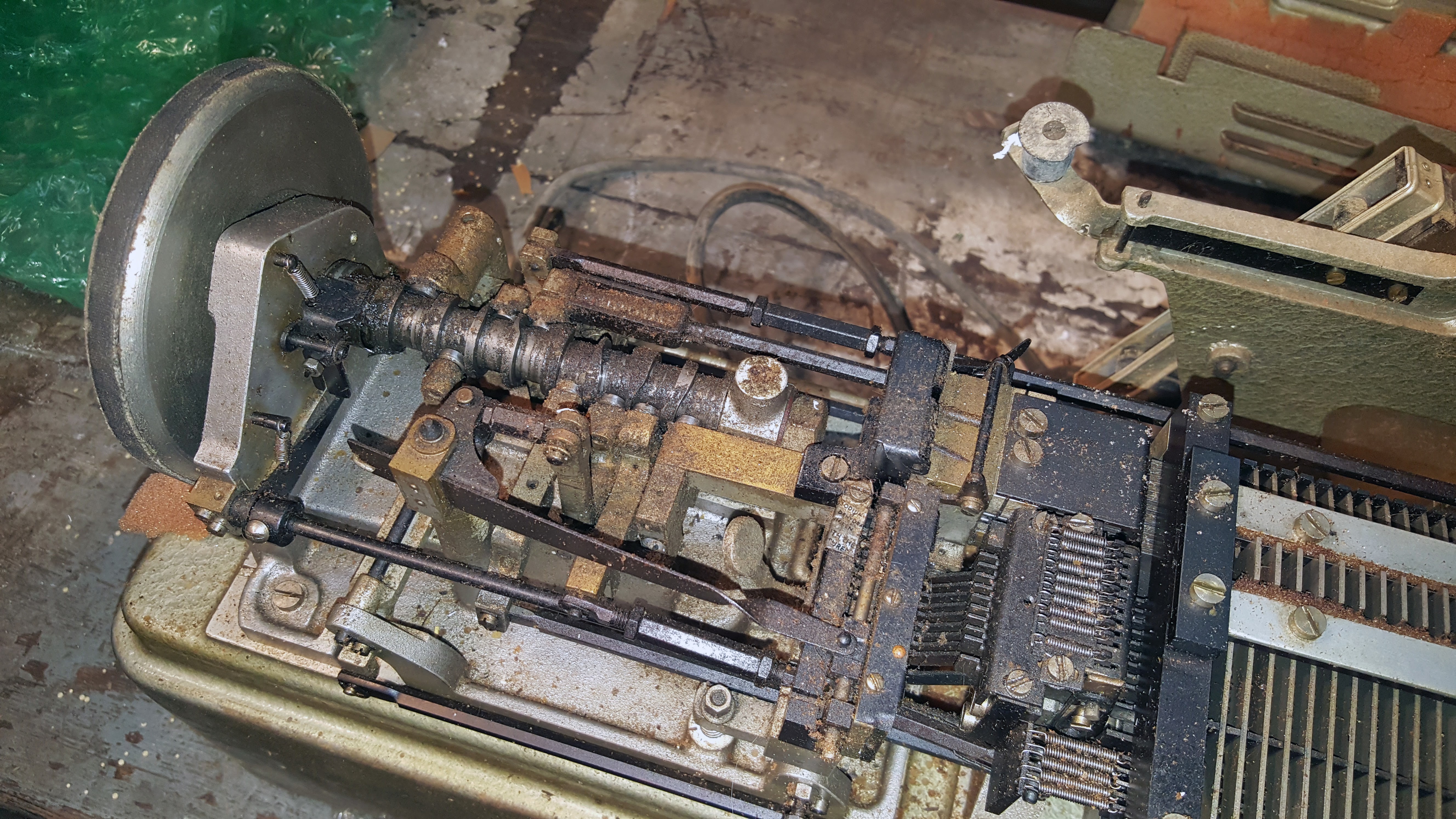
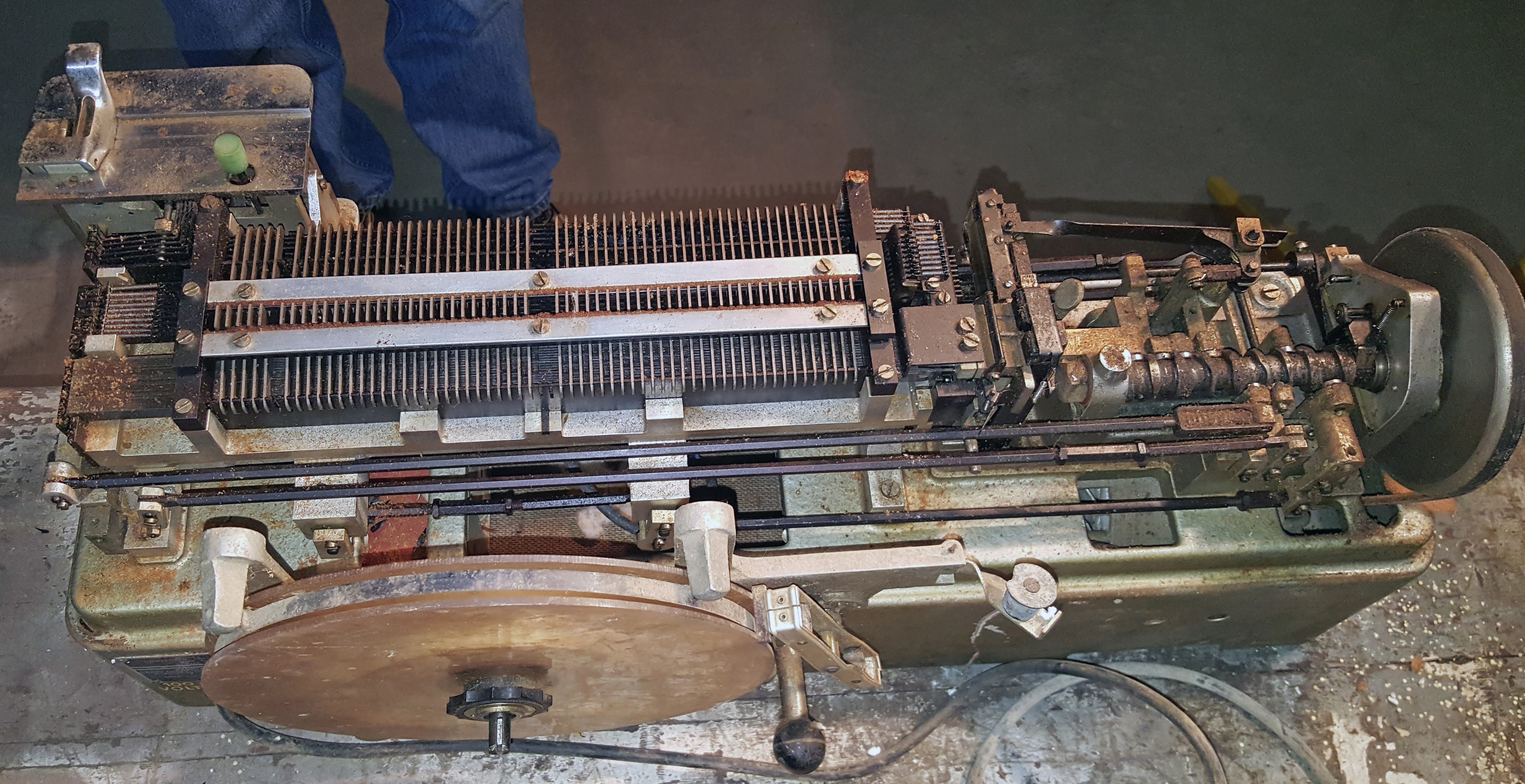
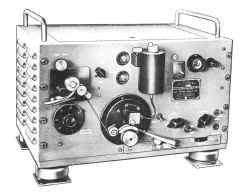
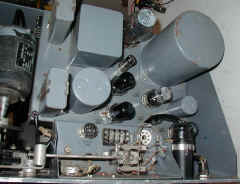
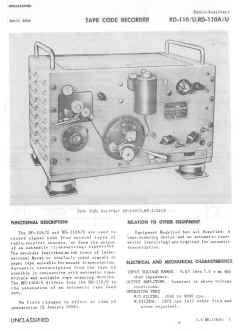
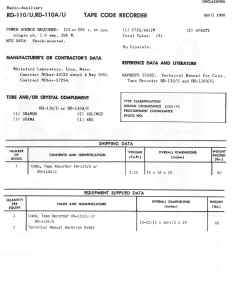
RD-110/U Paper Tape Code Recorder - Before Restoration -
technical manual
- I am missing some pieces - please send
me e-mail with any info or photos of this equipment.
|
|
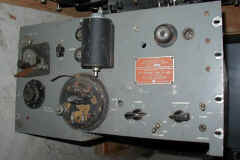
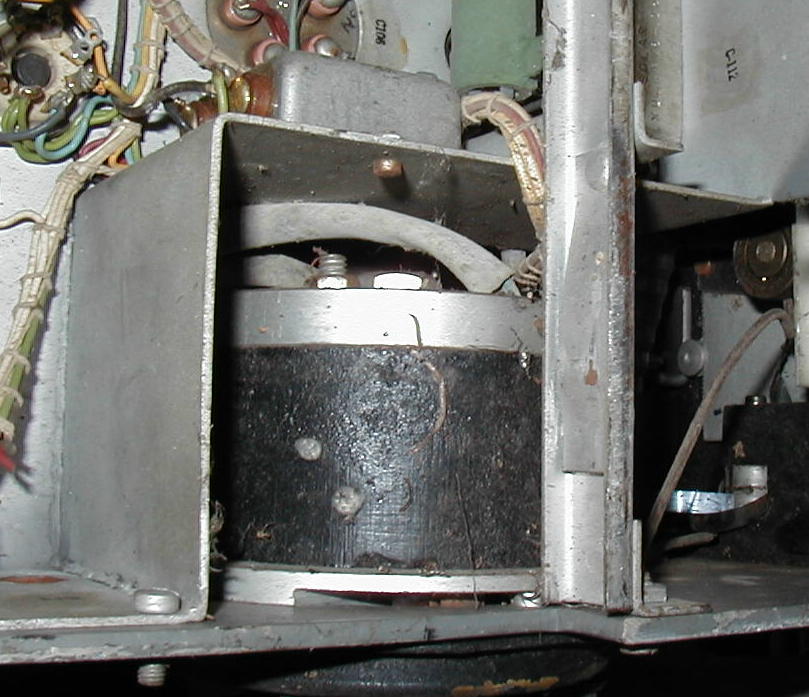
Tape feeder tray missing from lower right. Ink reservoir upper center.
Solenoid
controlled inker below it.
Tape
capstan at upper left. |
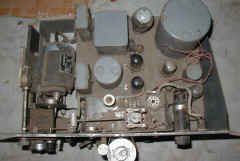
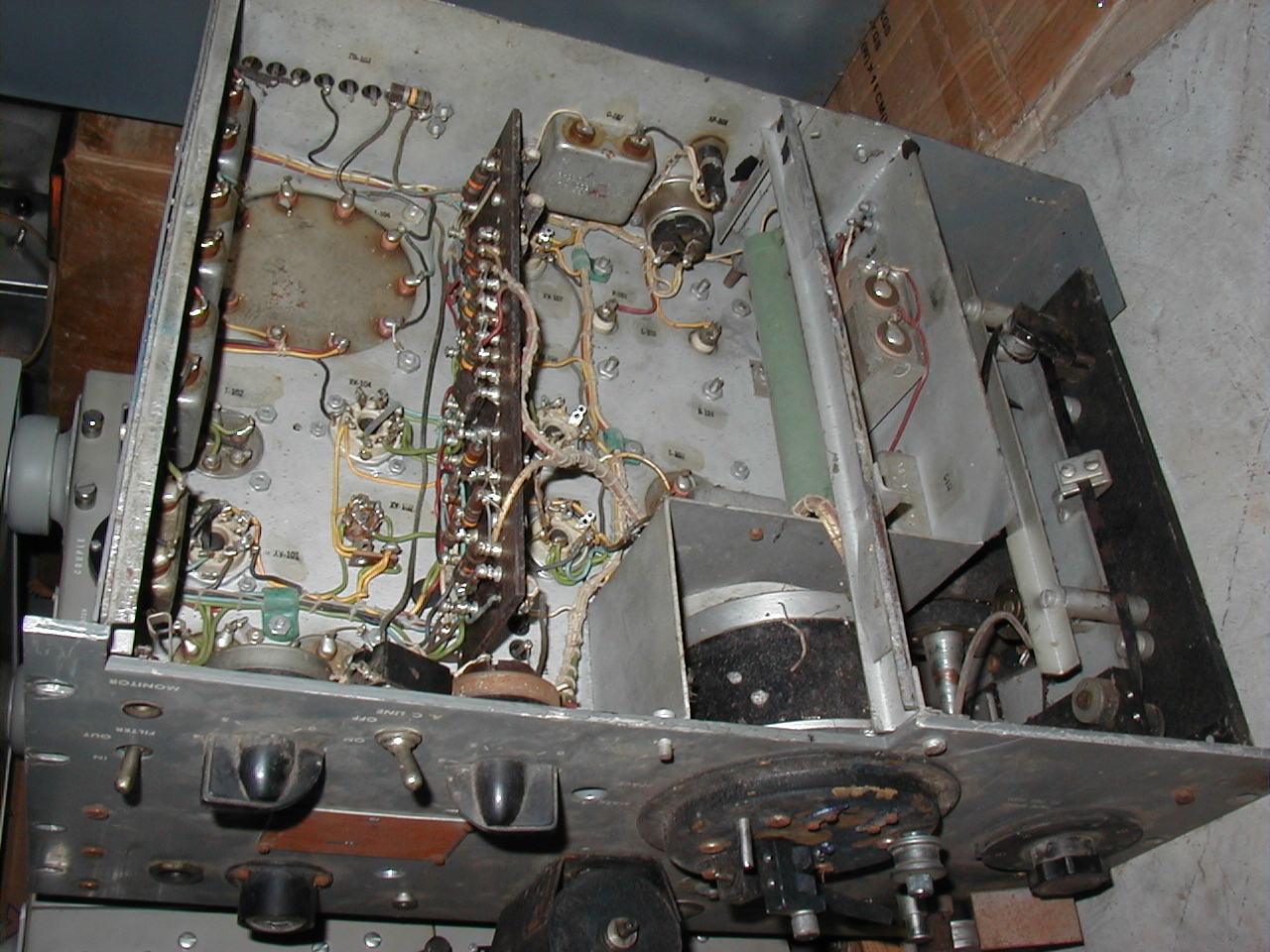
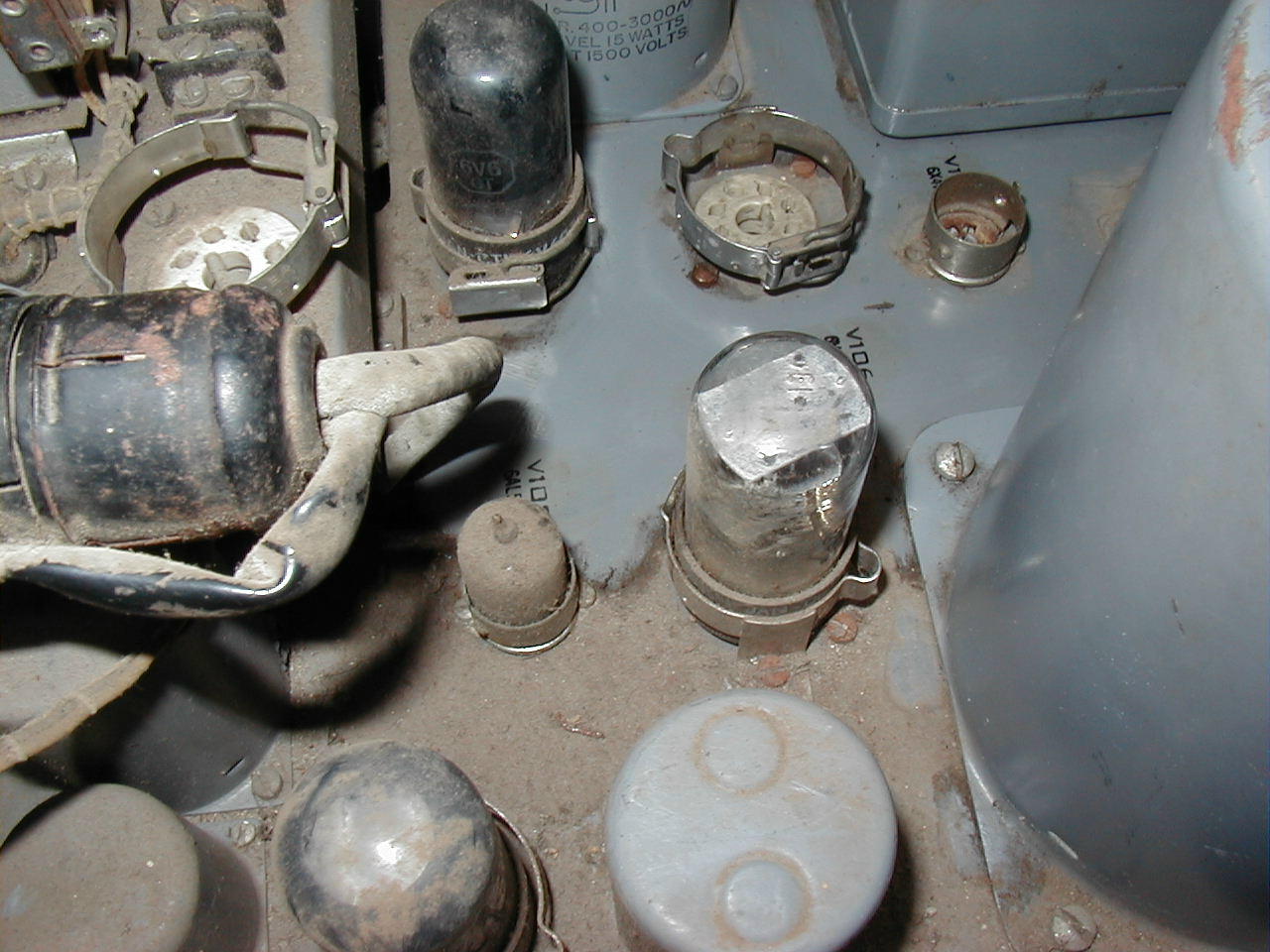
As found - just a wee bit dirty |
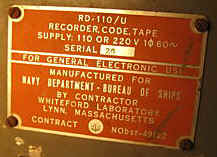 |
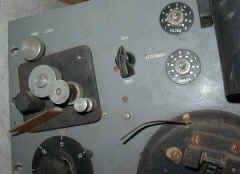
Tape capstan at upper left |
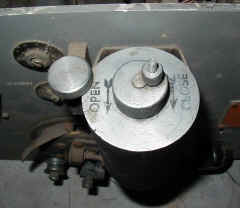
Ink reservoir |
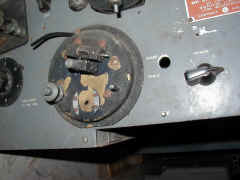
Solenoid controlled inker |
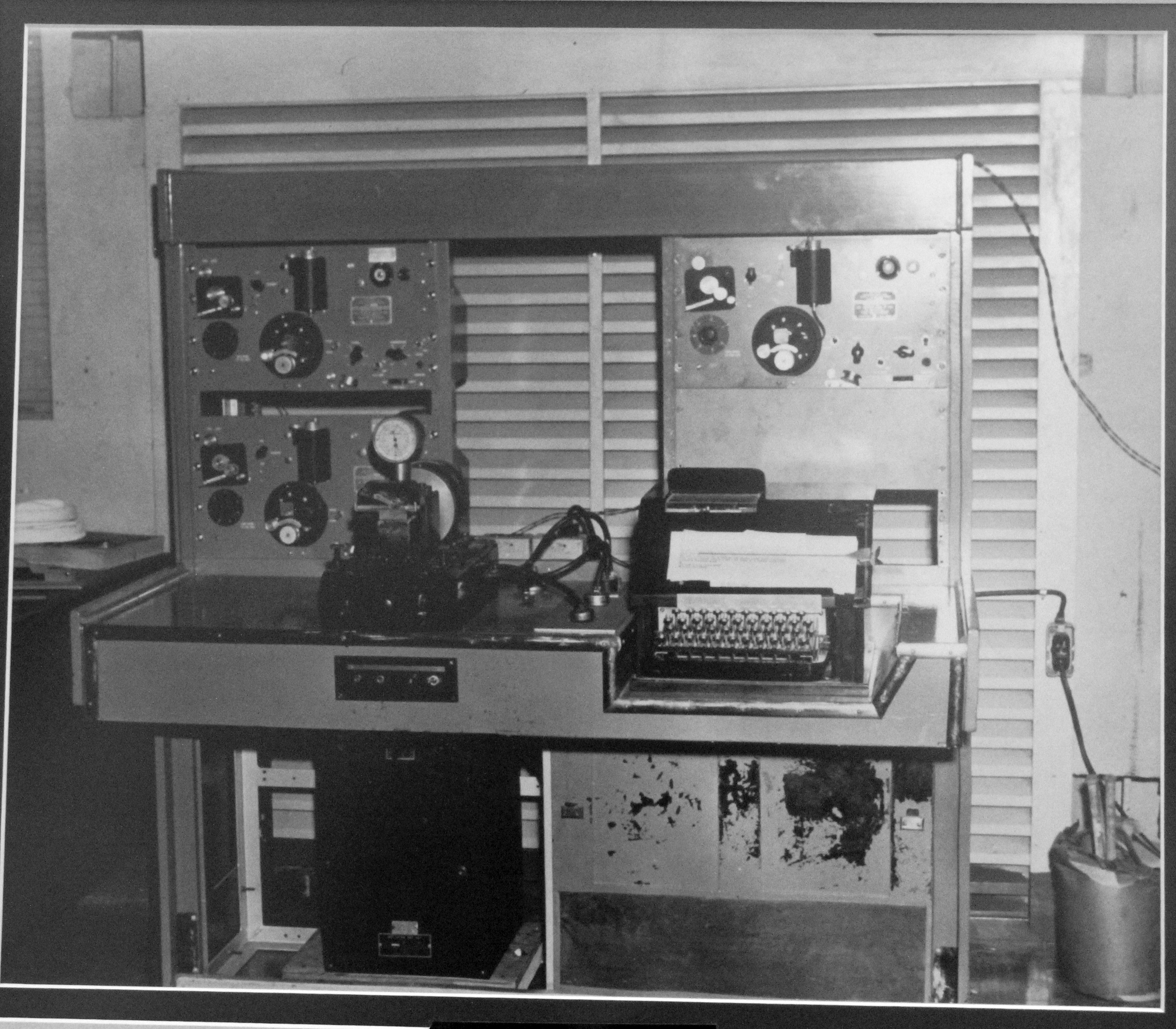
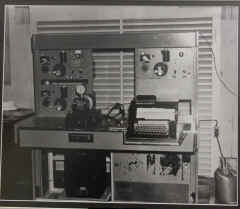
CW Fleet Broadcast Console with Wheatstone Perforator,
Boehme Keyer, and three RD-110/U Ink Recorders
 |
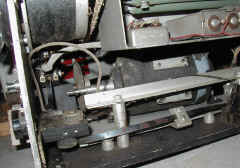
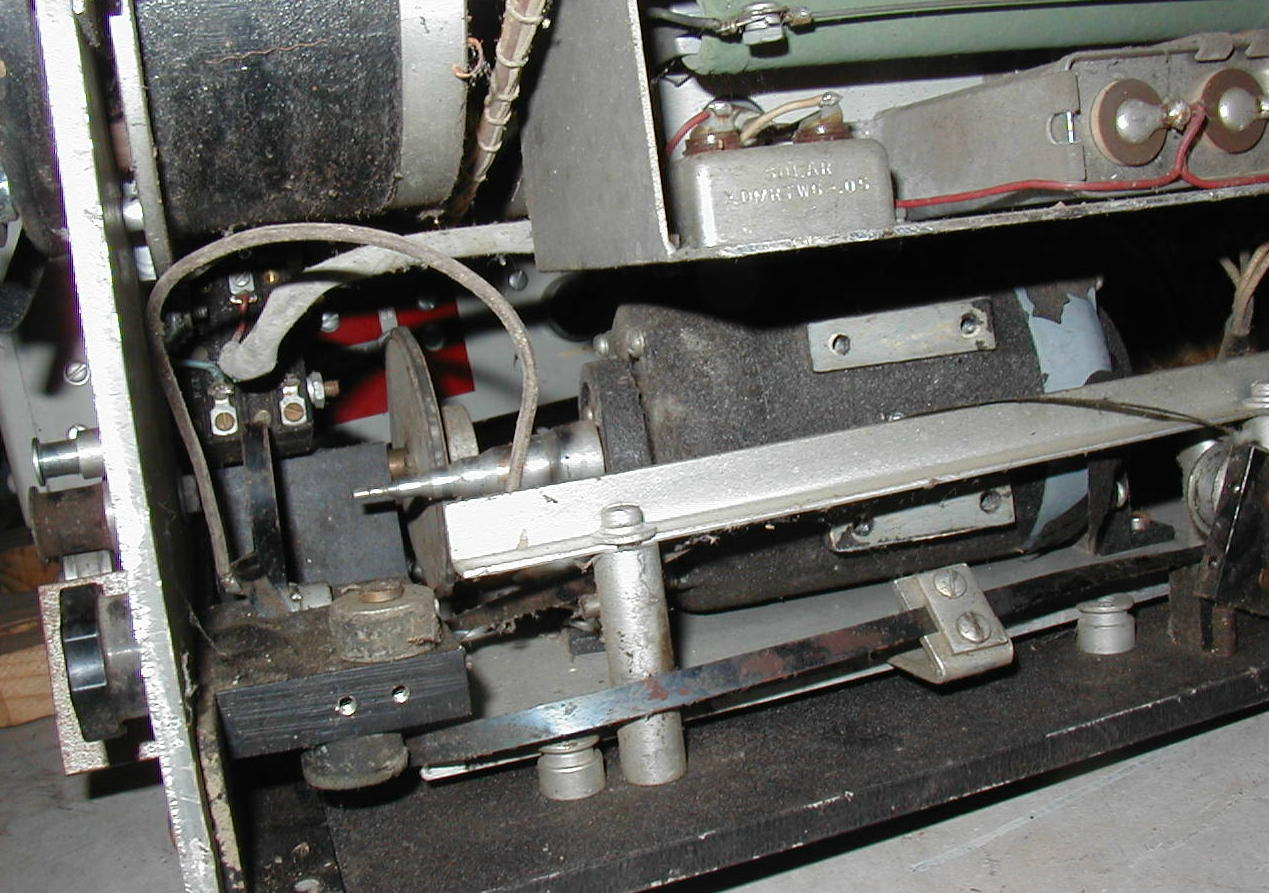
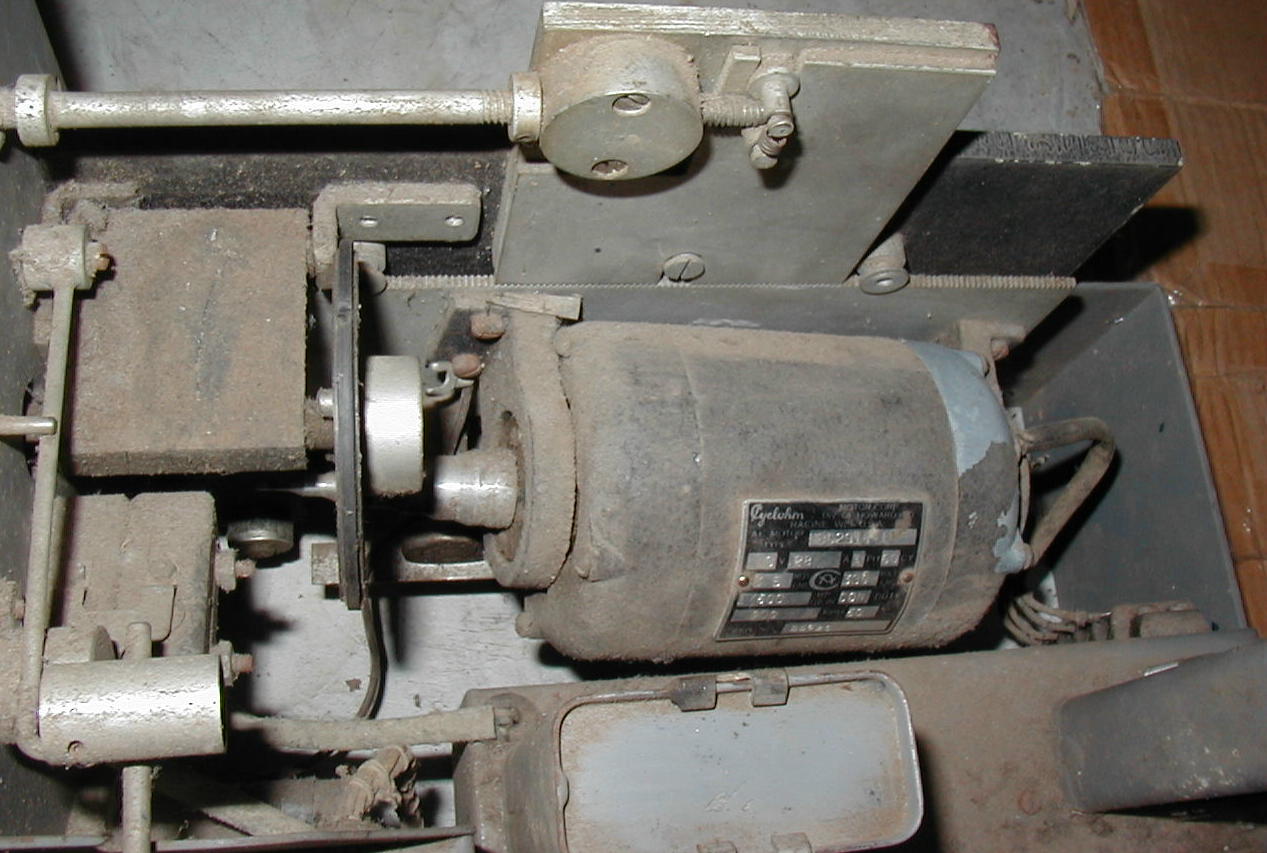
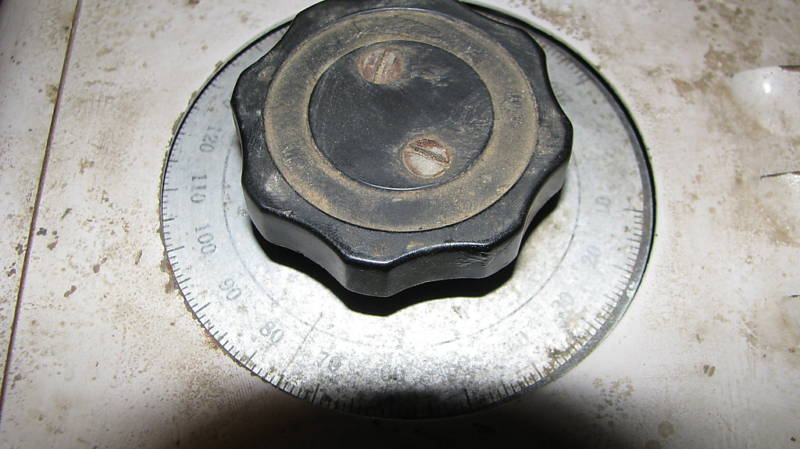
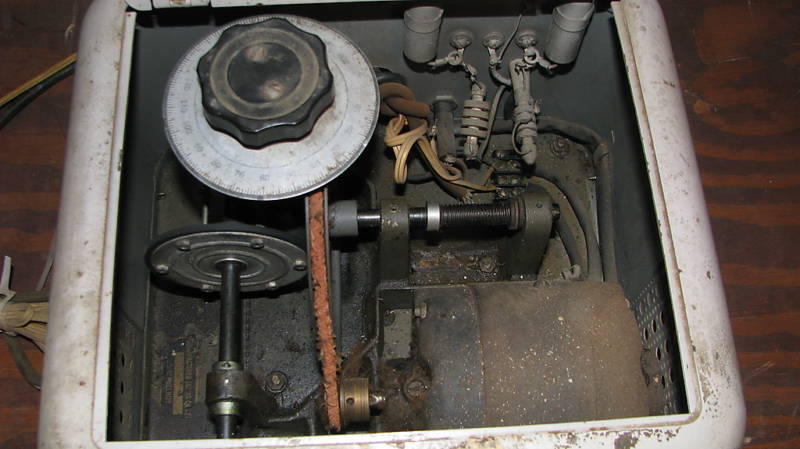
Capstan motor showing variable diameter shaft for speed control |
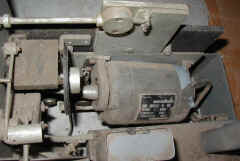
Capstan
motor showing variable diameter shaft for speed control |
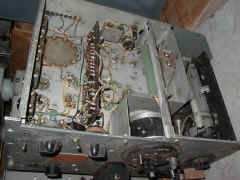
center - inker solenoid
right - capstan motor |
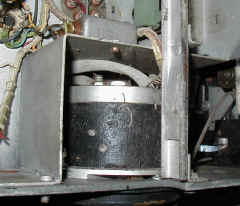
inker solenoid |
Restoration - - I am missing some pieces that guide the
paper tape past the pen - please send
me e-mail with any info or photos of this equipment
|
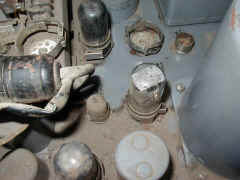
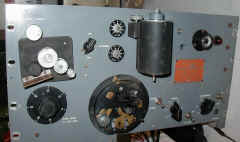
Good Navy paint beneath the grime |
Ah that looks better |
 |
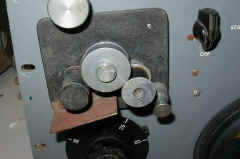
Capstan and pinch roller |
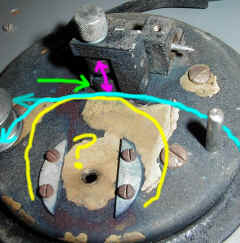
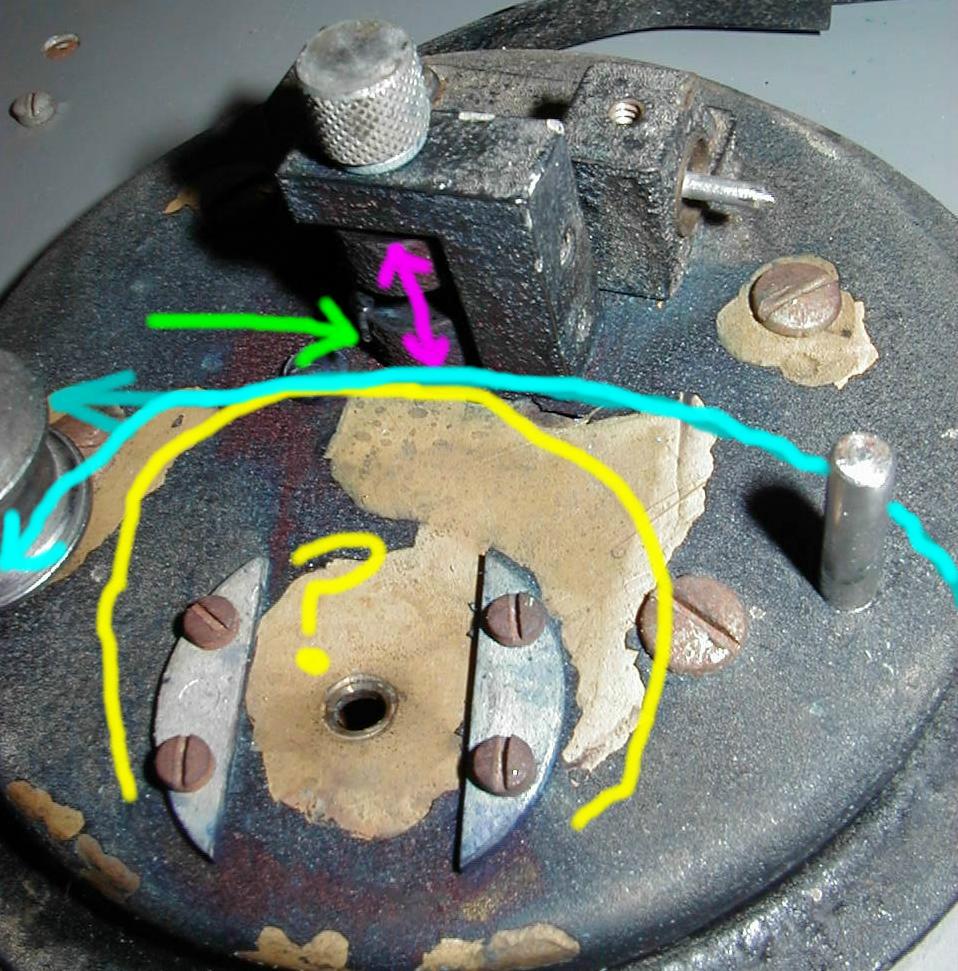
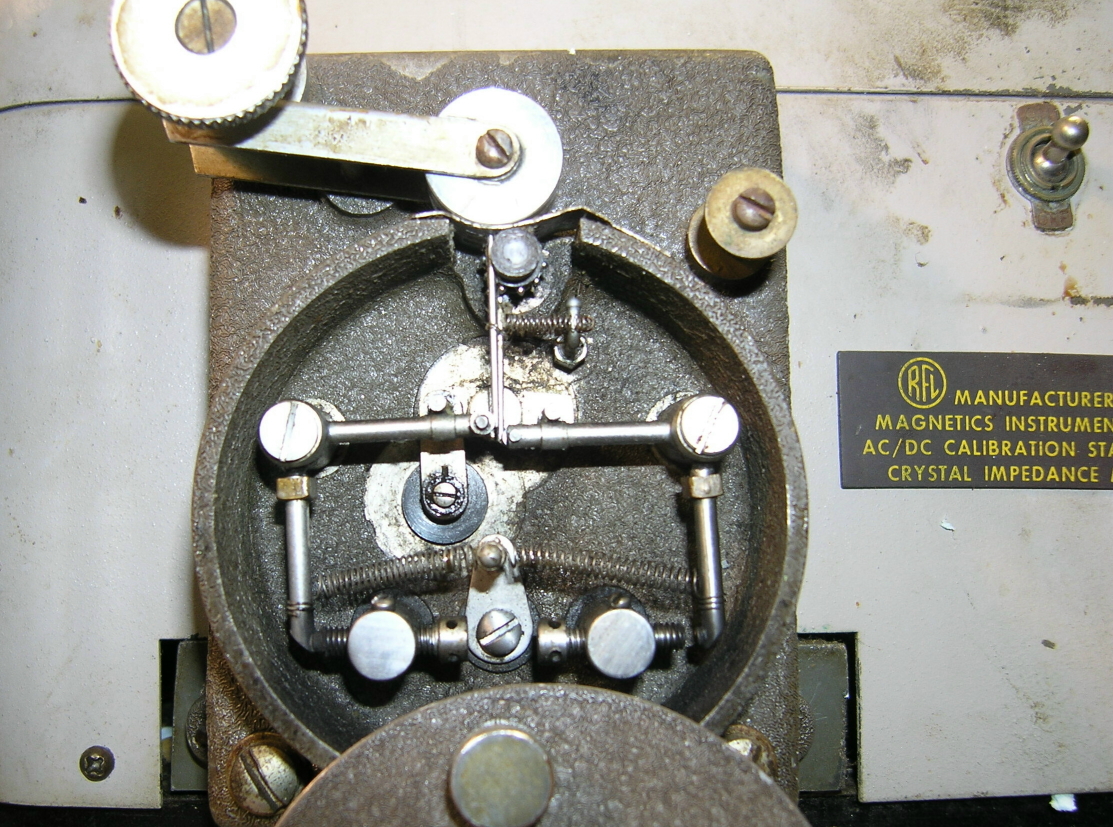
Green points to pen tip
Magenta - pen motion
Blue - tape path
Yellow - missing adjustment knob and spring loaded tape guide |
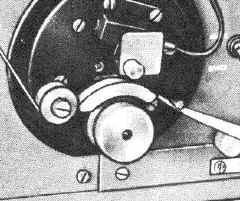 |
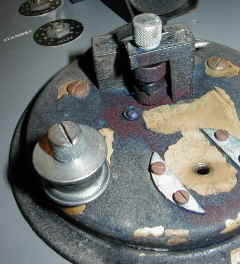
Better shot of pen tip between adjustable stops. |
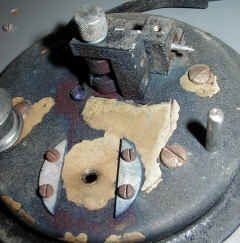 |
 |
 |
I have got the pen and capstan motor working, but am missing
pieces that guide the paper tape past the pen - please send
me e-mail with any info or photos of this equipment.
|
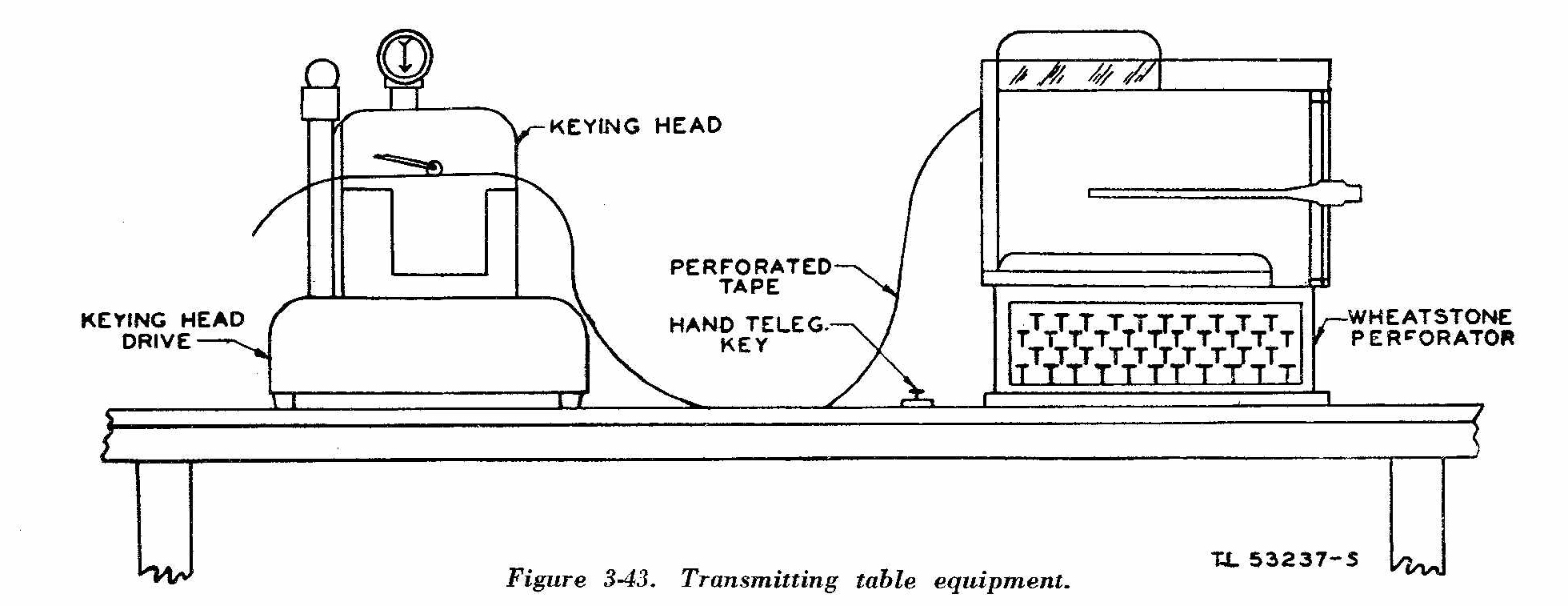
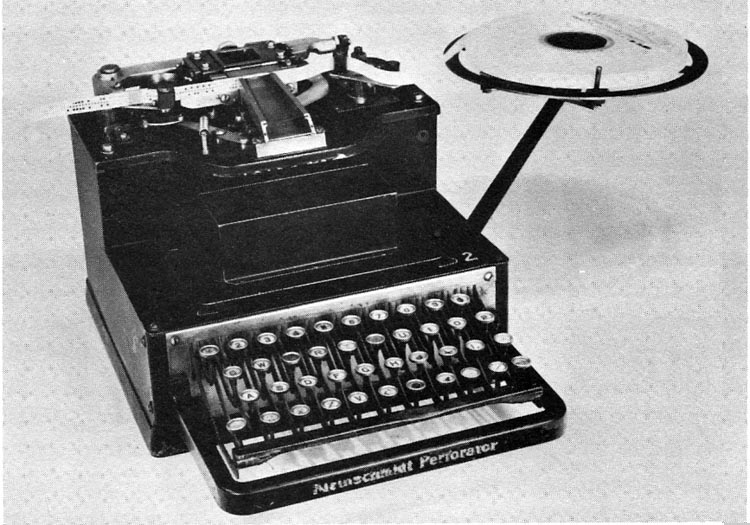
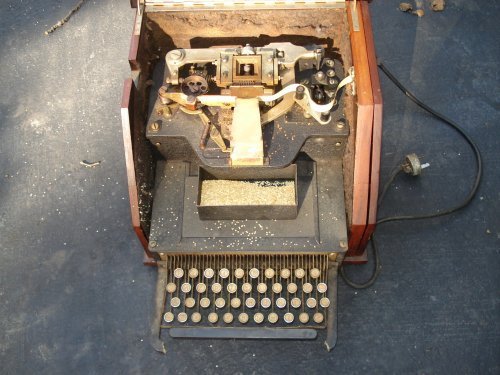
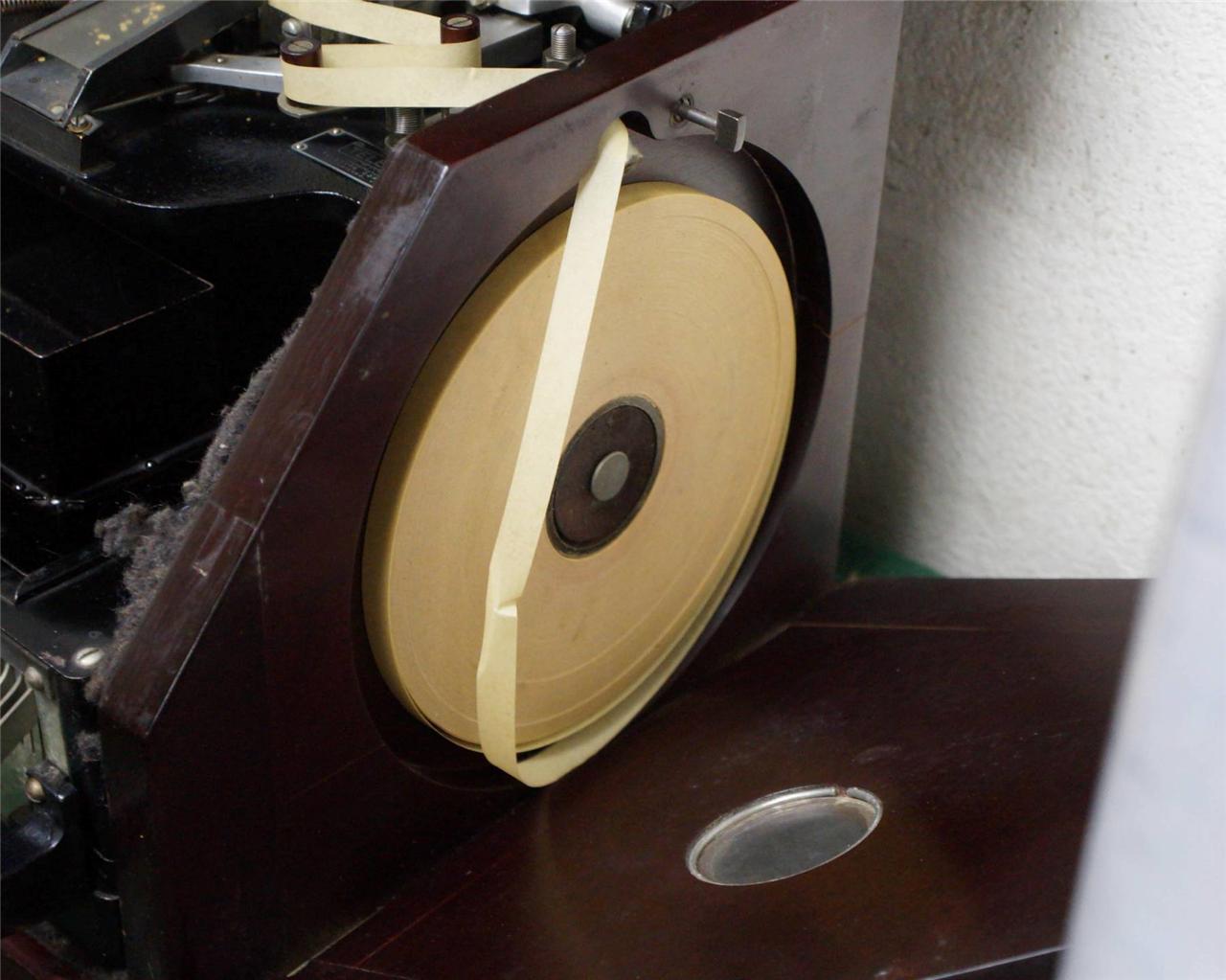
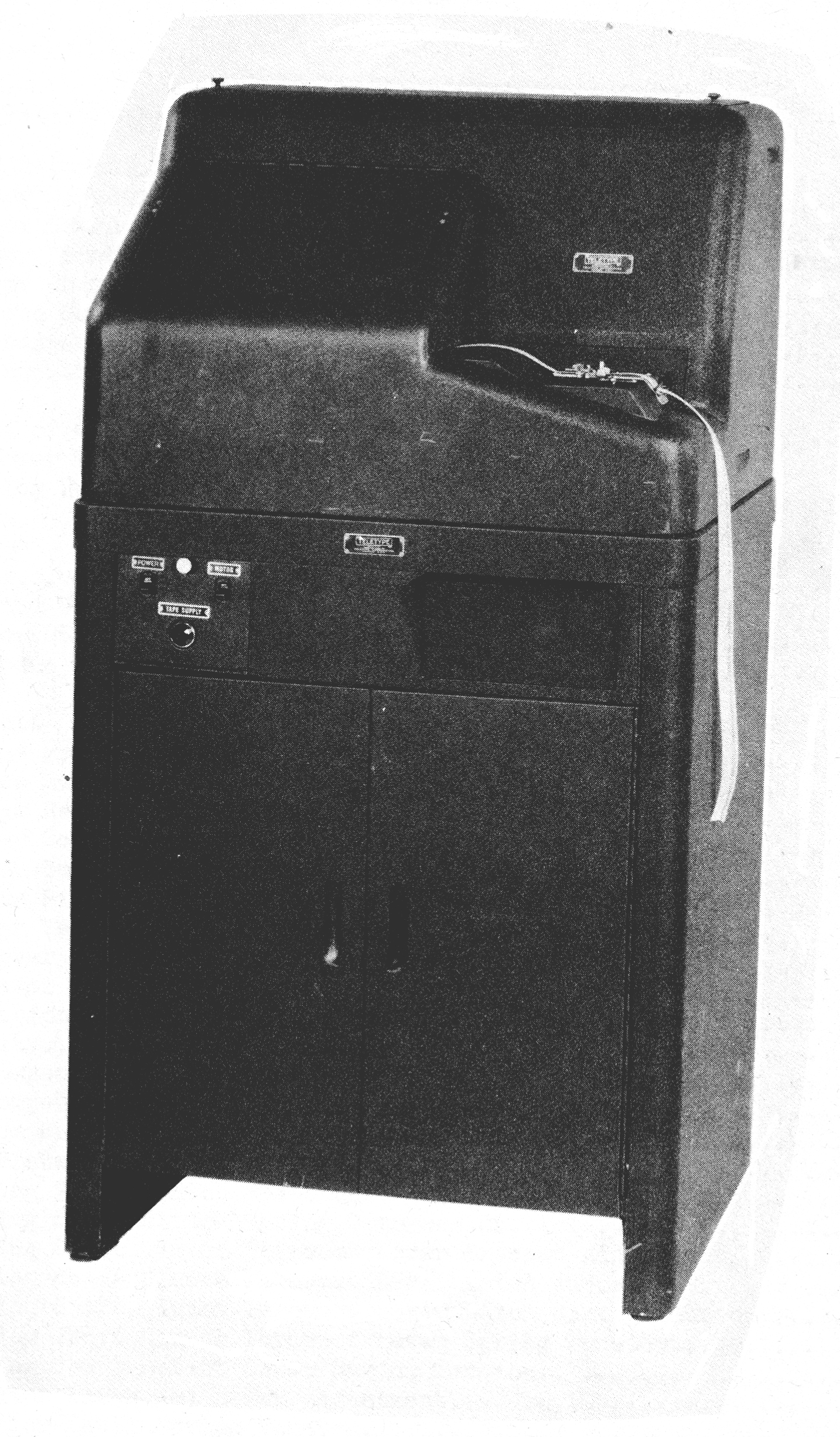
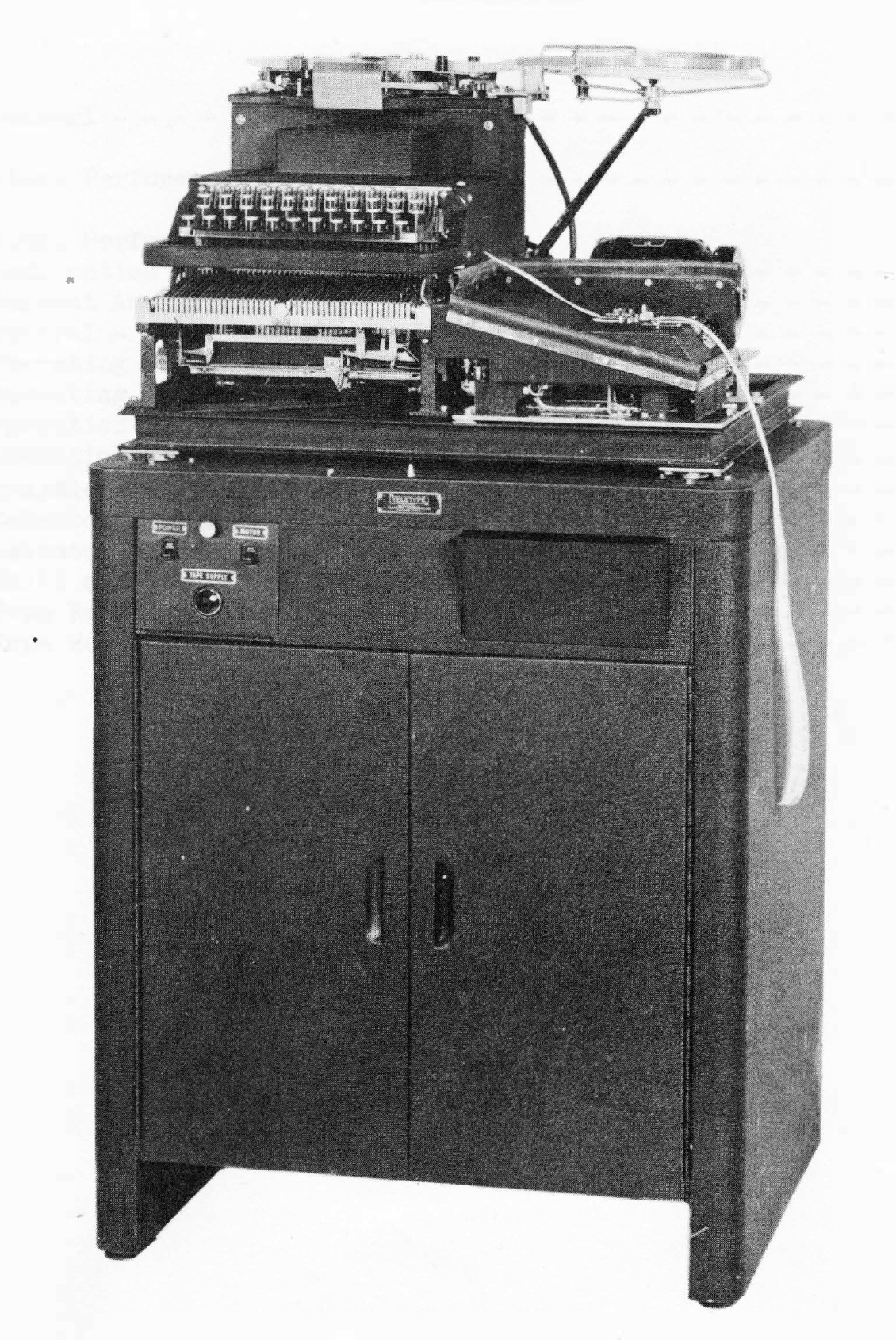
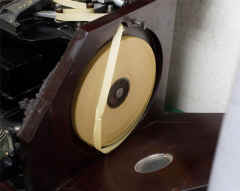
Paper tapes were created using a Wheatstone perforator (2-level code on
15/32" tape) and then
played through a keyer for transmission at up to 400wpm.
Video of
perforator and McElroy keyer in operation.
Video of perforator
and Boehme keyer in operation
Morse Keyboard Perforators
|
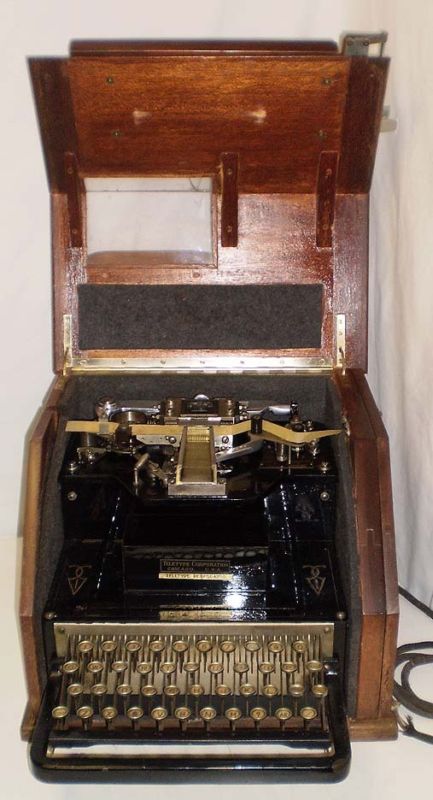
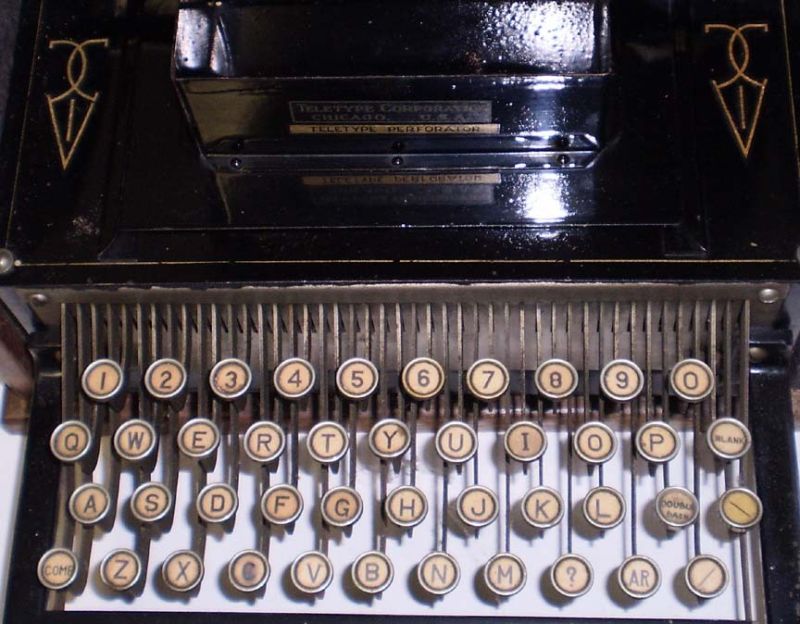
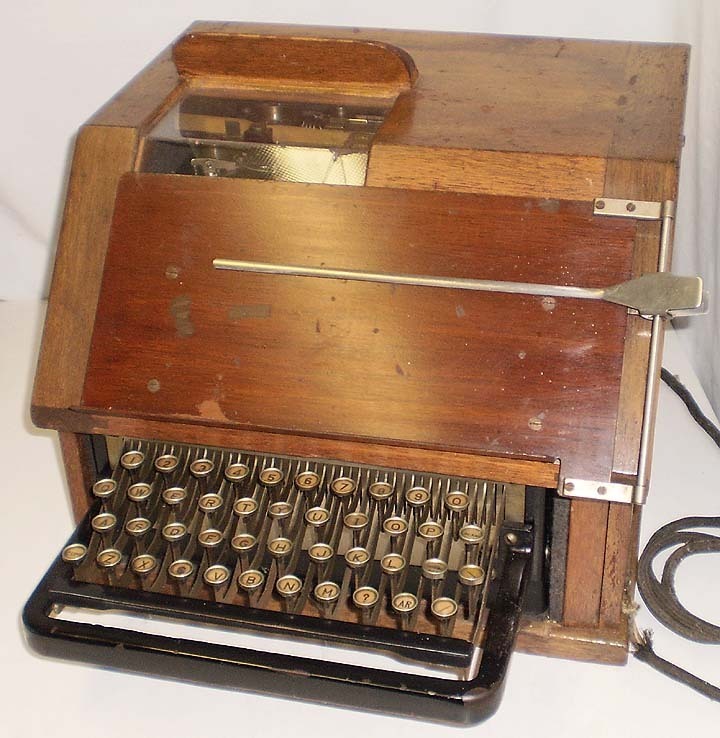
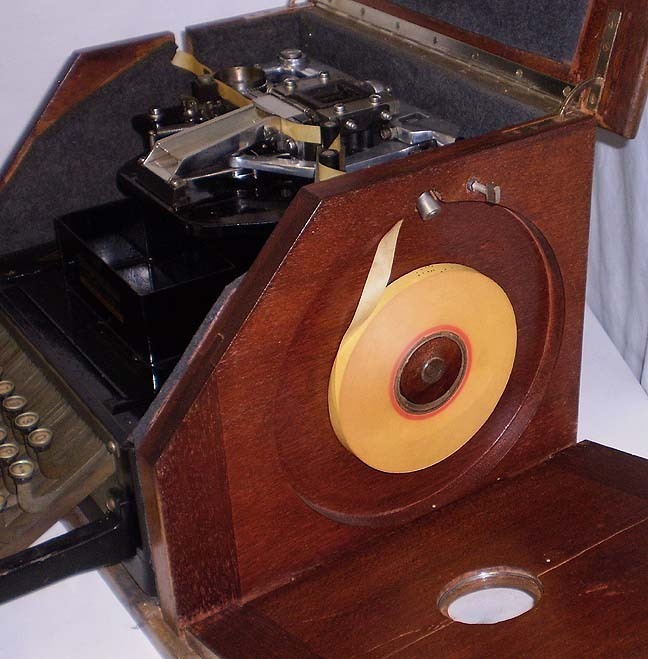
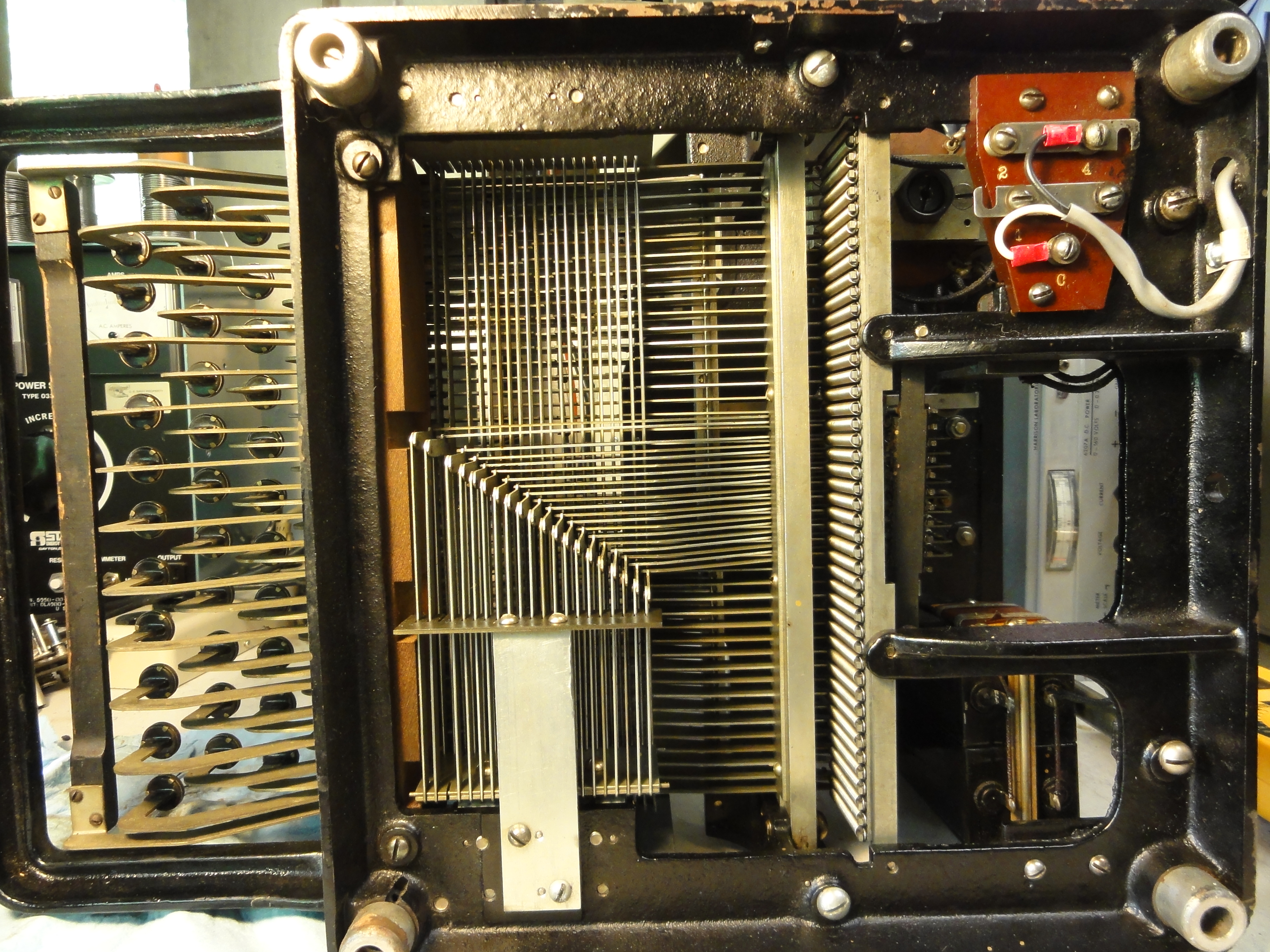
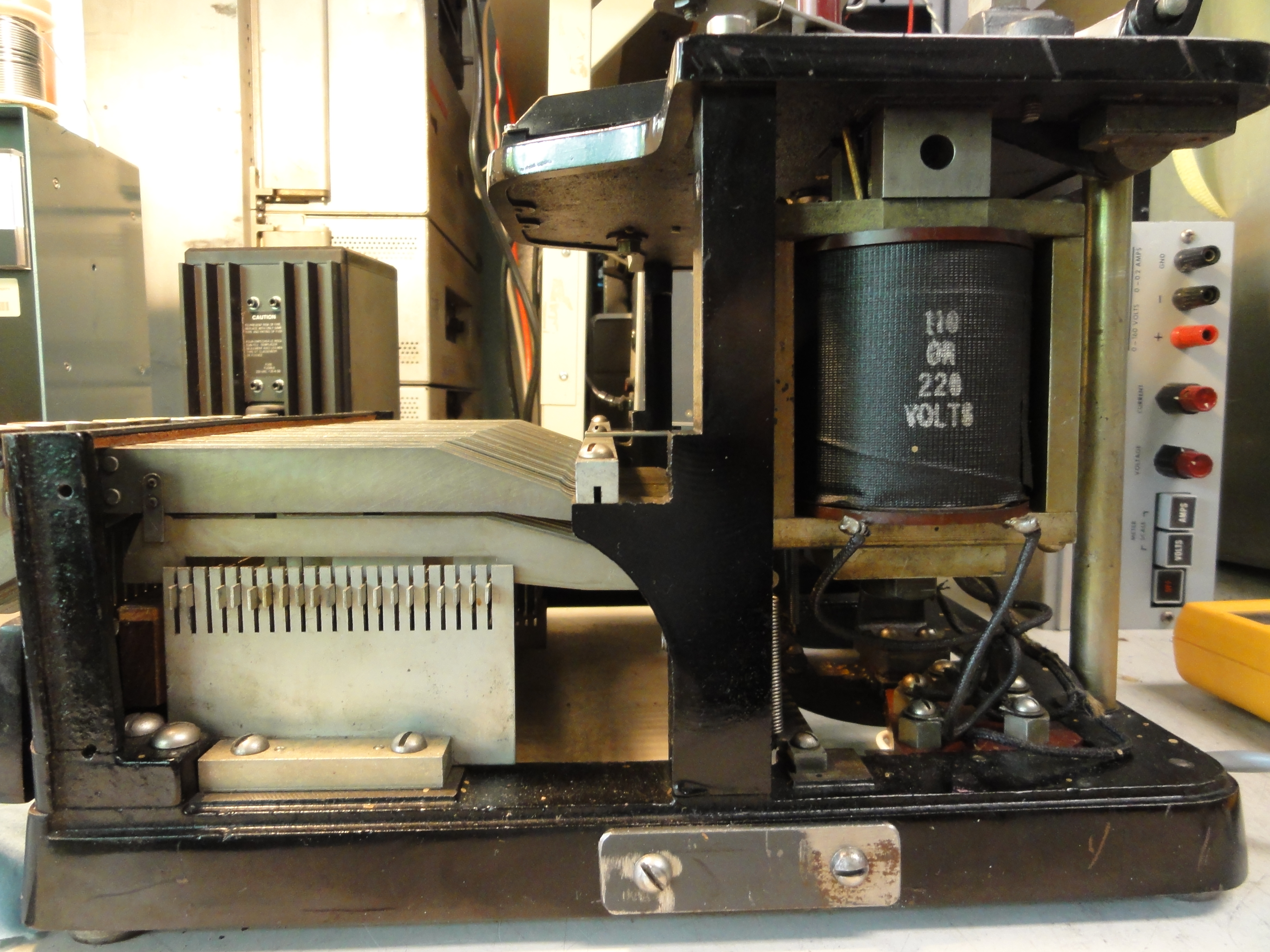
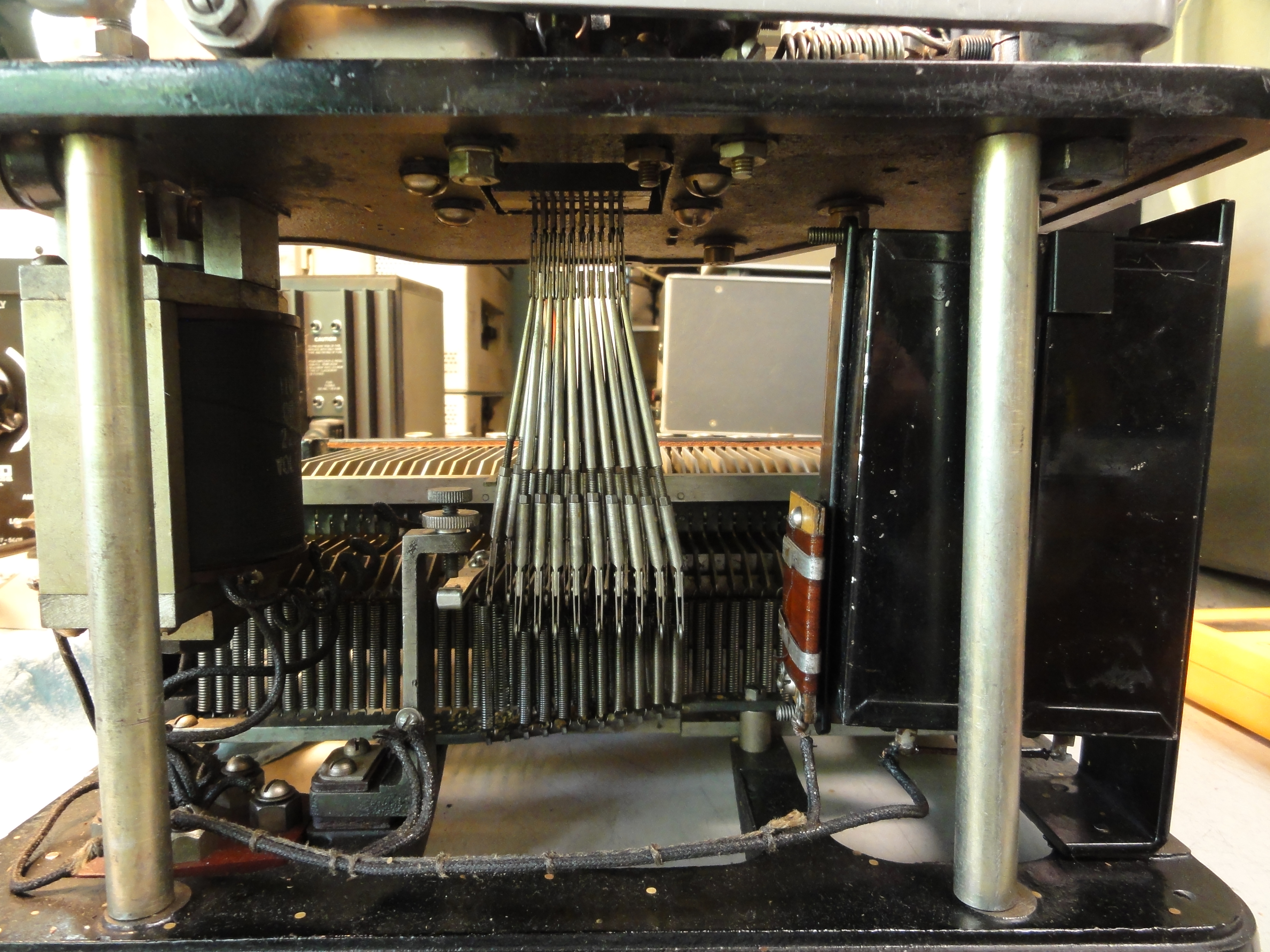
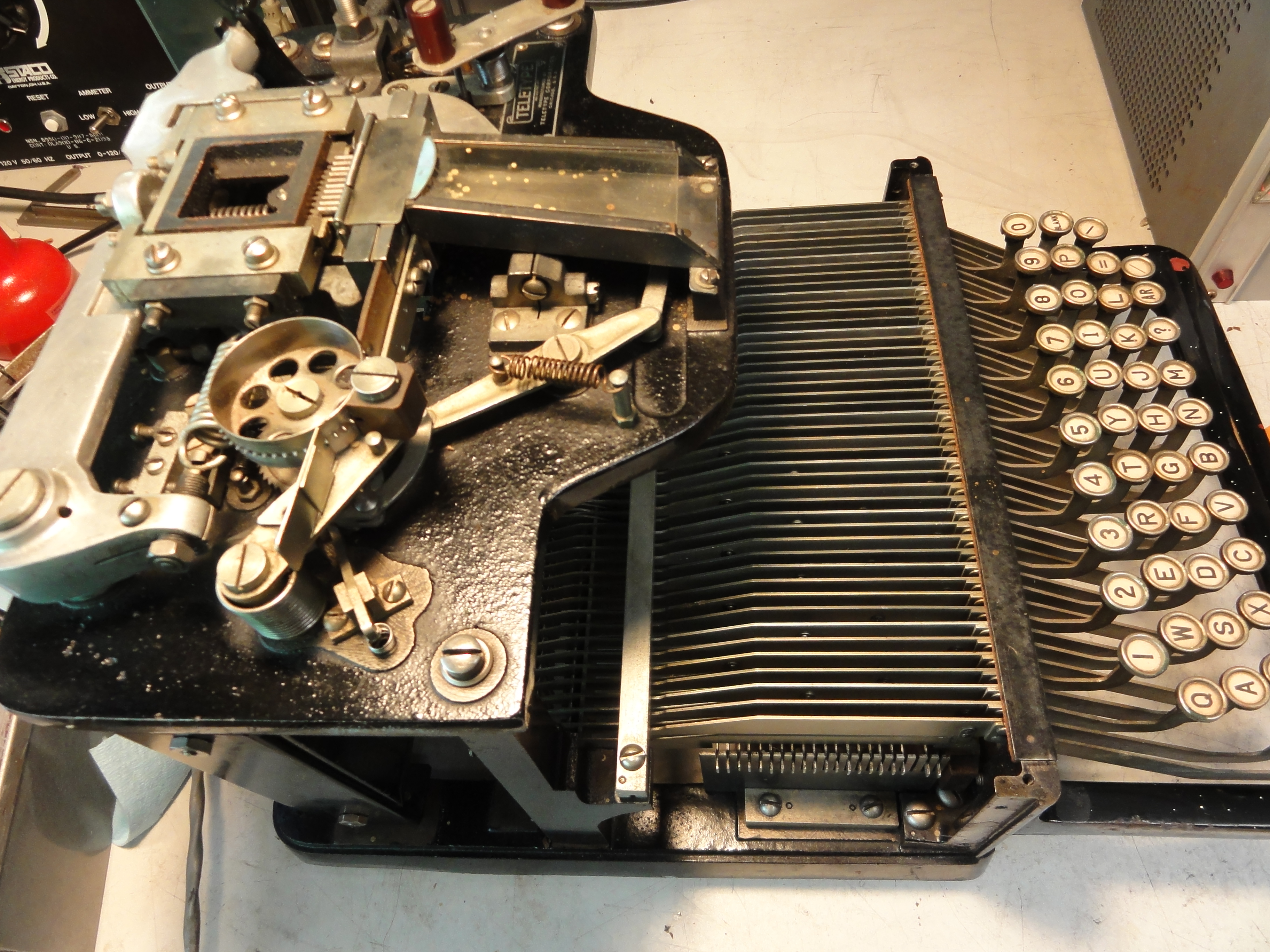
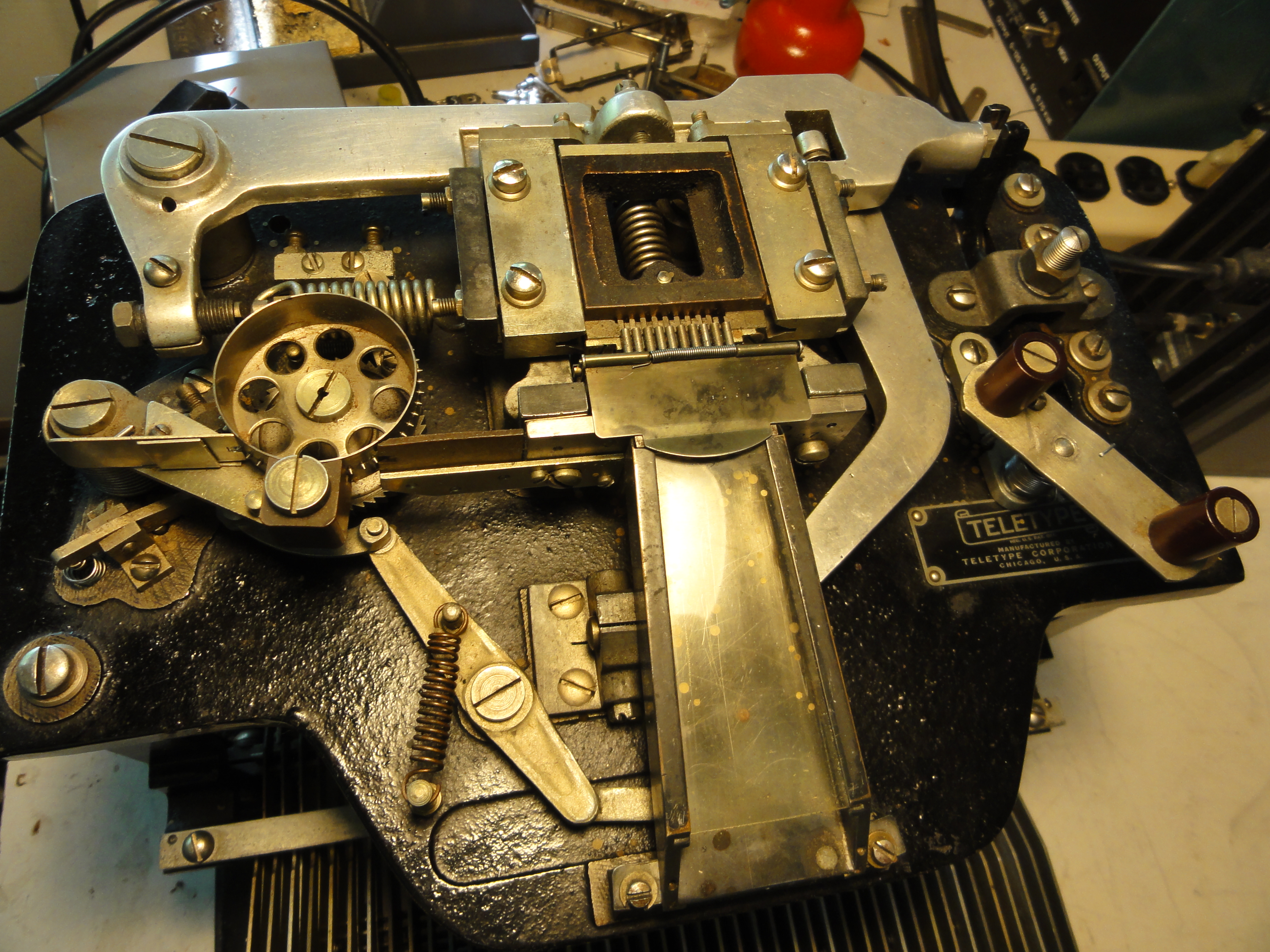
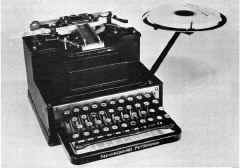
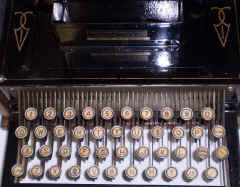
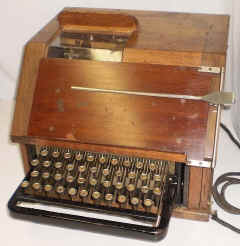
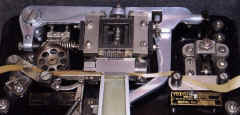
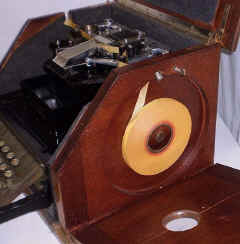
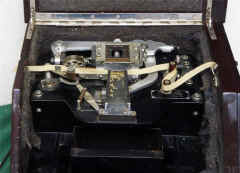
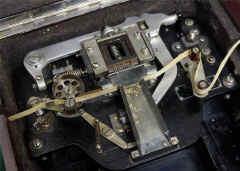
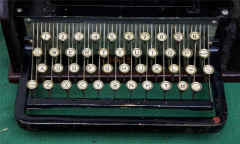
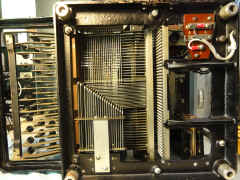
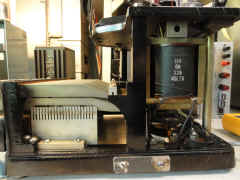
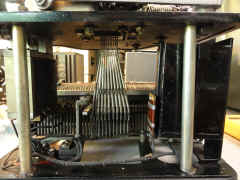
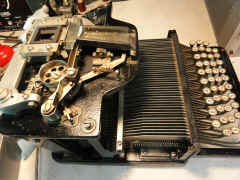
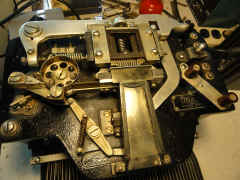
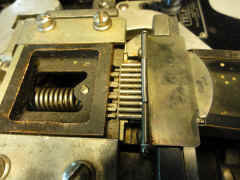
MX-491/U Wheatstone Perforator (15/32" 2-level tape)
Teletype Corp. WPE3/1SS
|
AKA "Kleinschmidt Perforator"
|
Download
manual & parts list for
Teletype WPE3/1SS, WPE3/1JJJ, & WPE16/1SS (thanks to Tom
Tillson)
Please let me know if you
have any 15/32" paper tape for sale
|
|
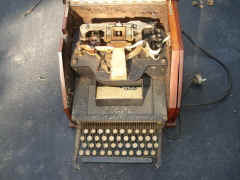
1945 USN WPE18 unit
 Wheatstone
tape: --.- ... - (QST)
Video of
perforator and McElroy keyer in operation. |
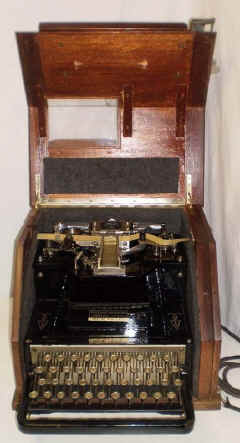
WPE3 commercial unit
 |
|
|
|
|
|
|
|
|
|
|
|
|
--
|
--
|
|
PP-189/U Power Supply
|
120vdc, 1.2amp for Wheatstone perforator
|
-
|
Teletype Corp. REC-32
Manual
|
|
AN/FGQ-3
|
includes perforator, power supply, table, etc.
|
-
|
Teletype WPE18/1SS perforator
|
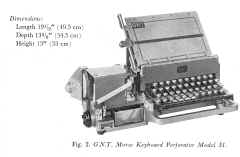
TT-393/UG Morse Keyboard Perforator
(GNT Model 51)
|
|
NAVSHIPS 94653
(15/32" 2-level tape)
|
KEYERS
|
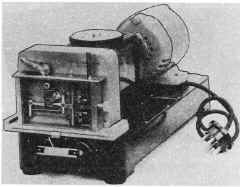
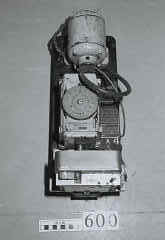
KY-469/UG Keyer (same as GNT-112)
|
 |
 |
|
- |
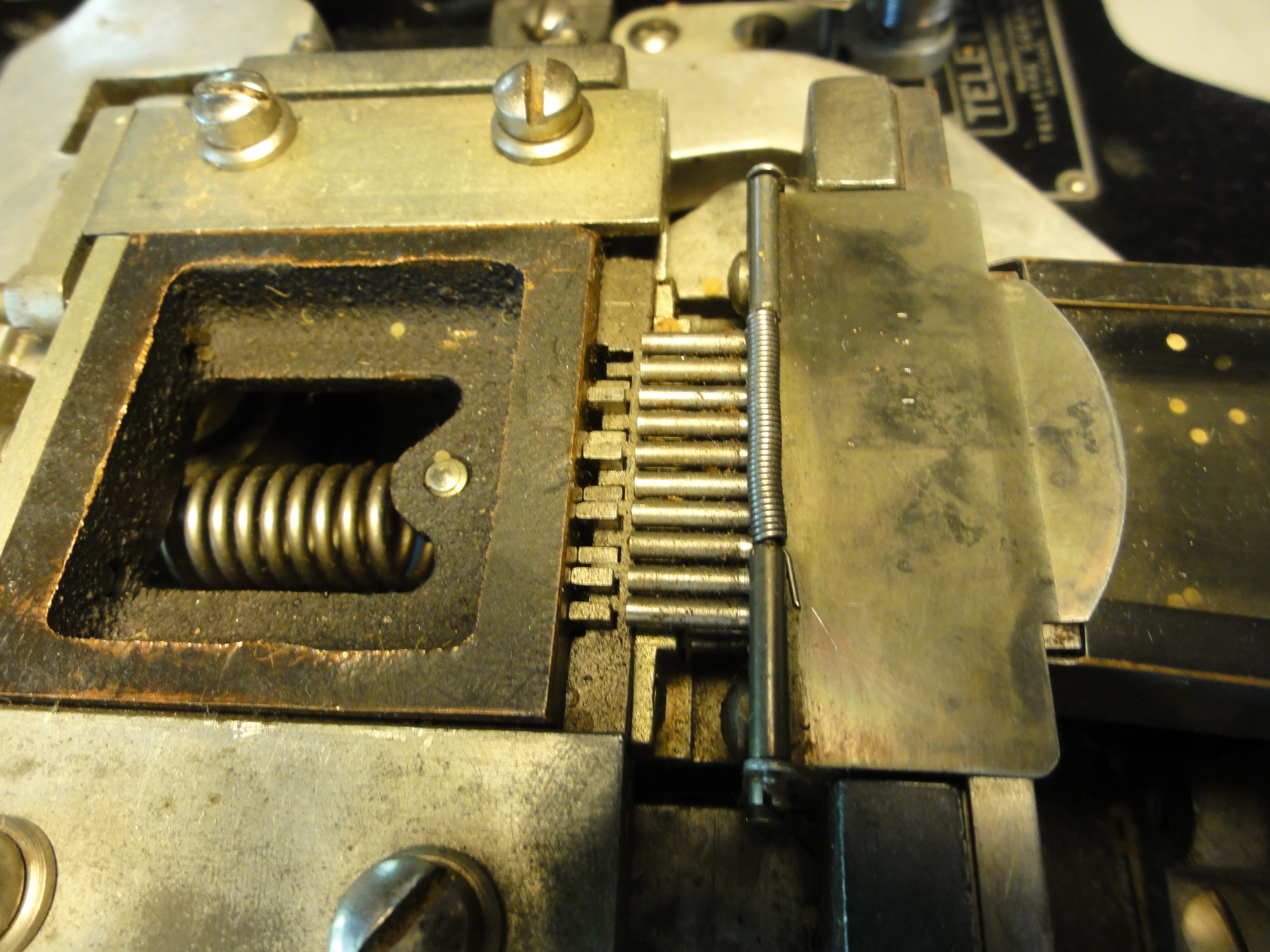
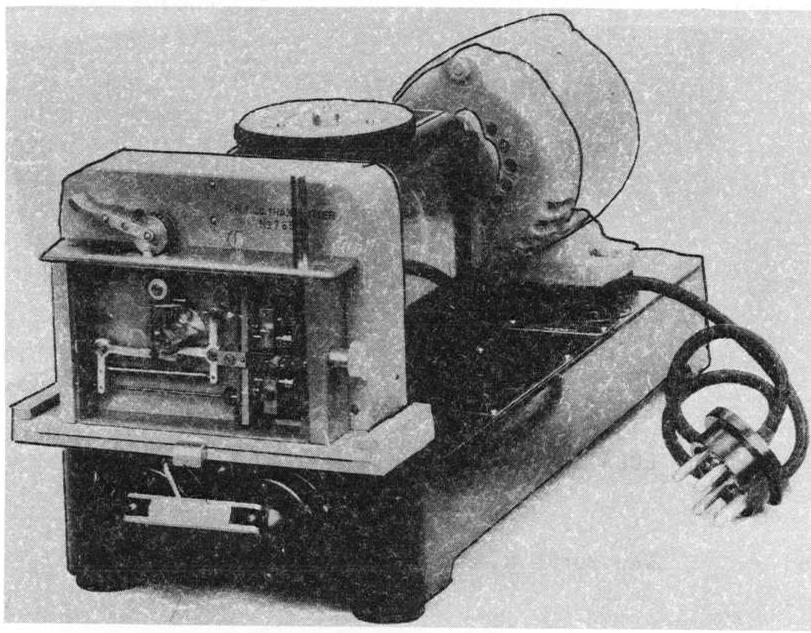
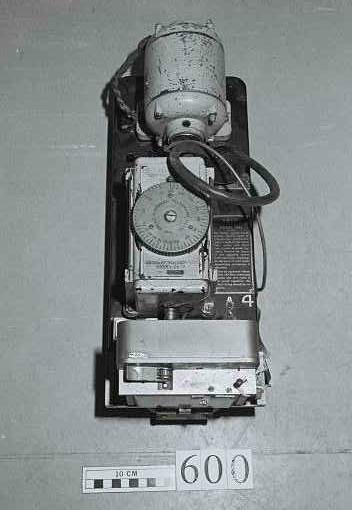
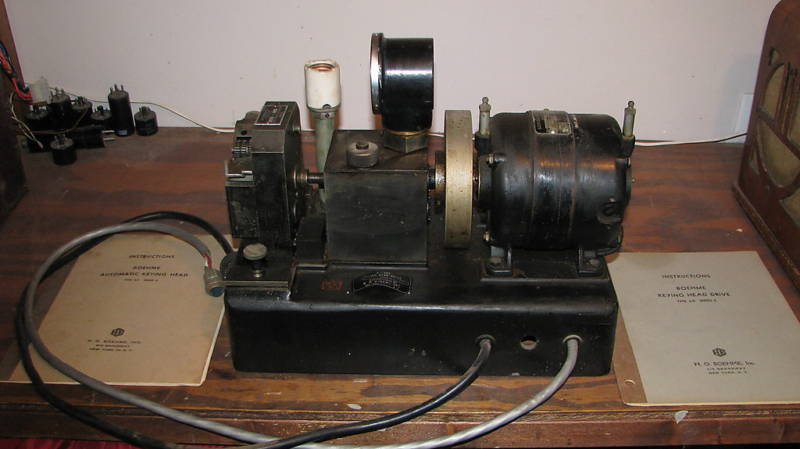
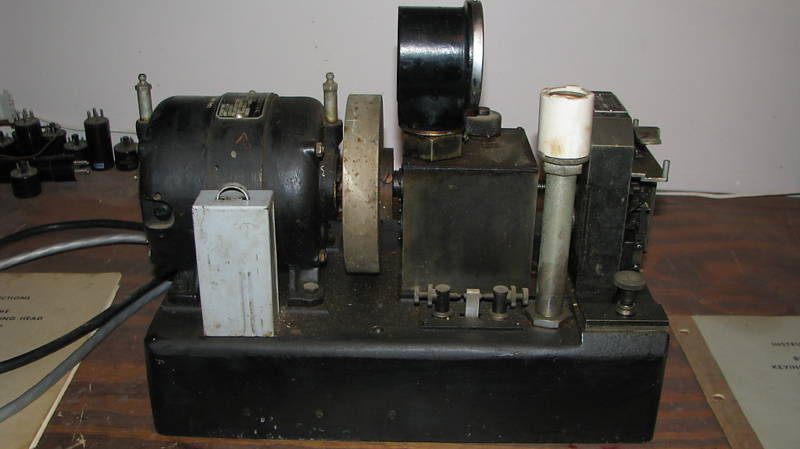
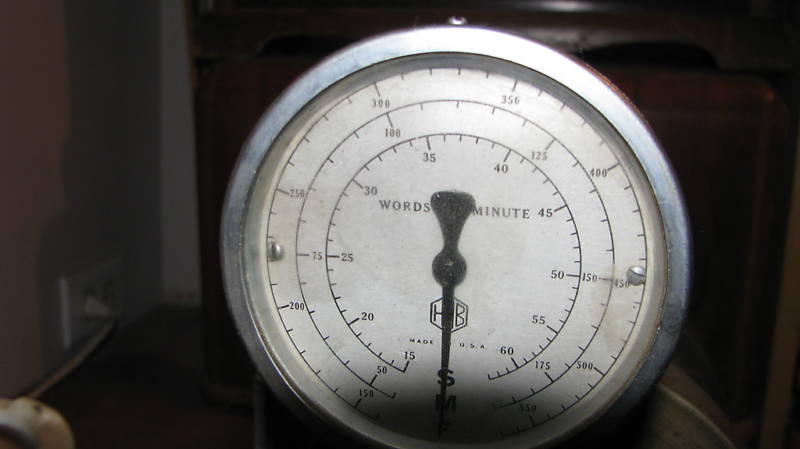
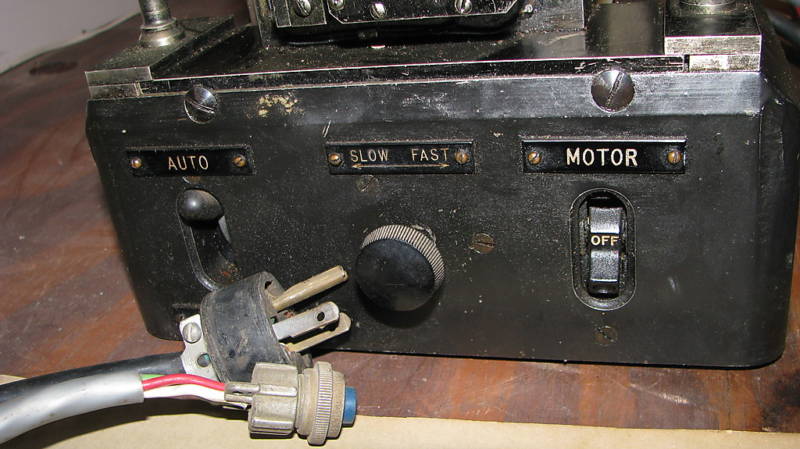
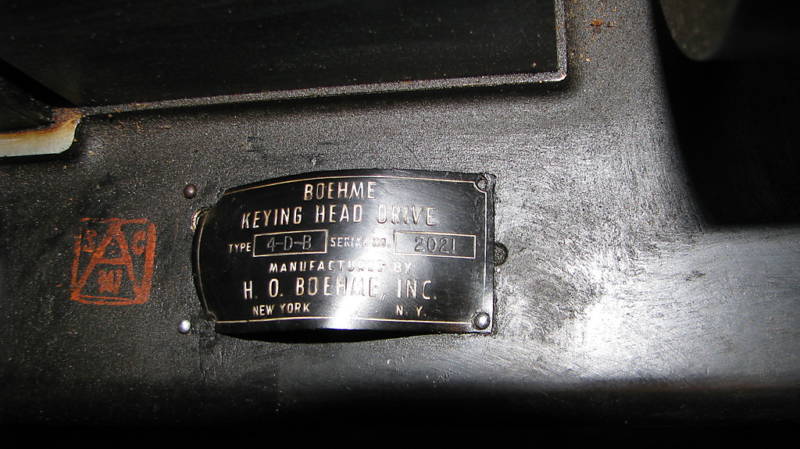
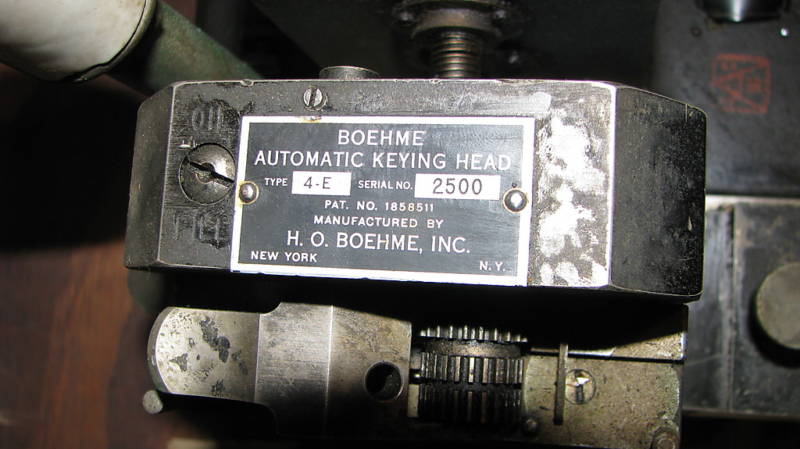
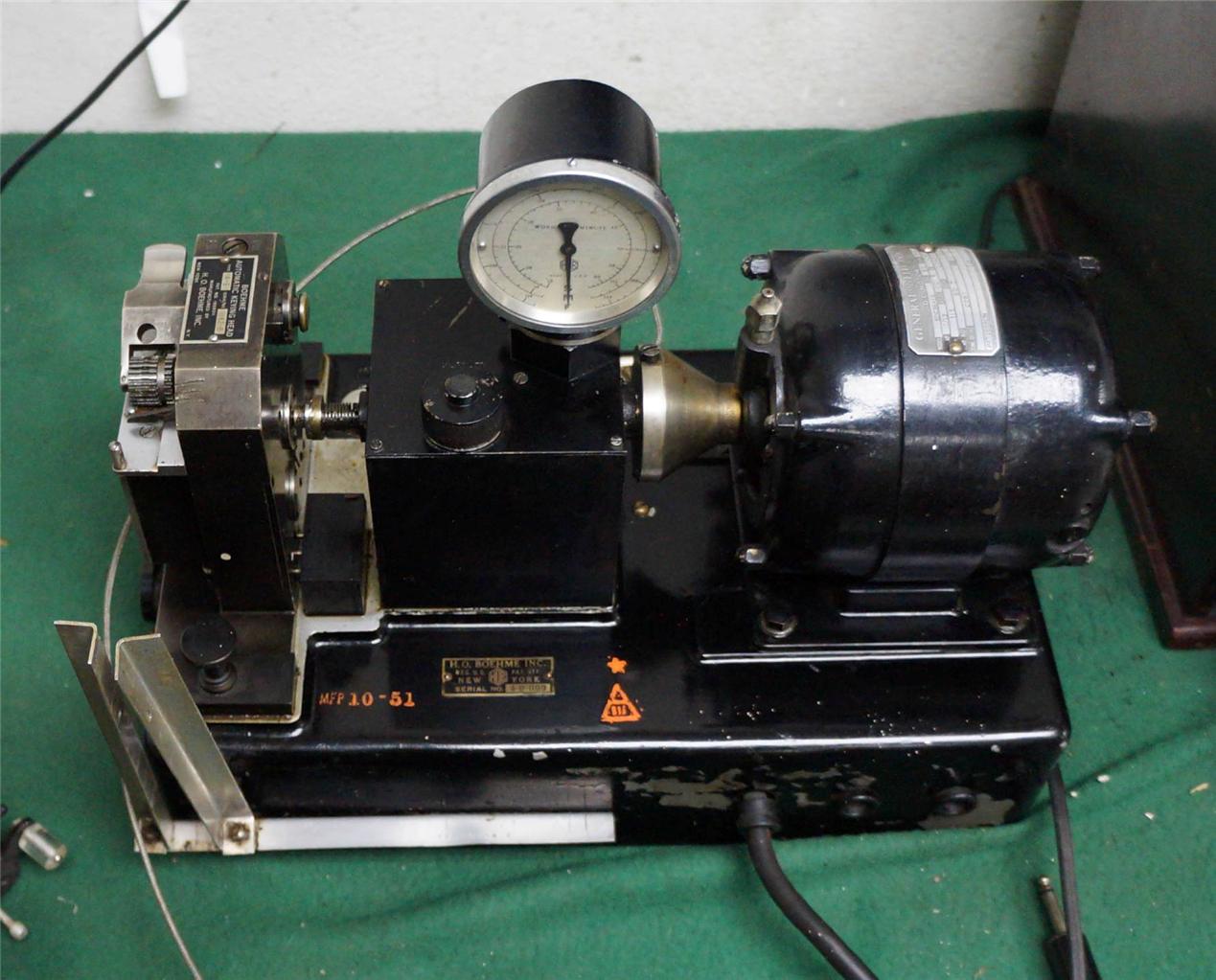
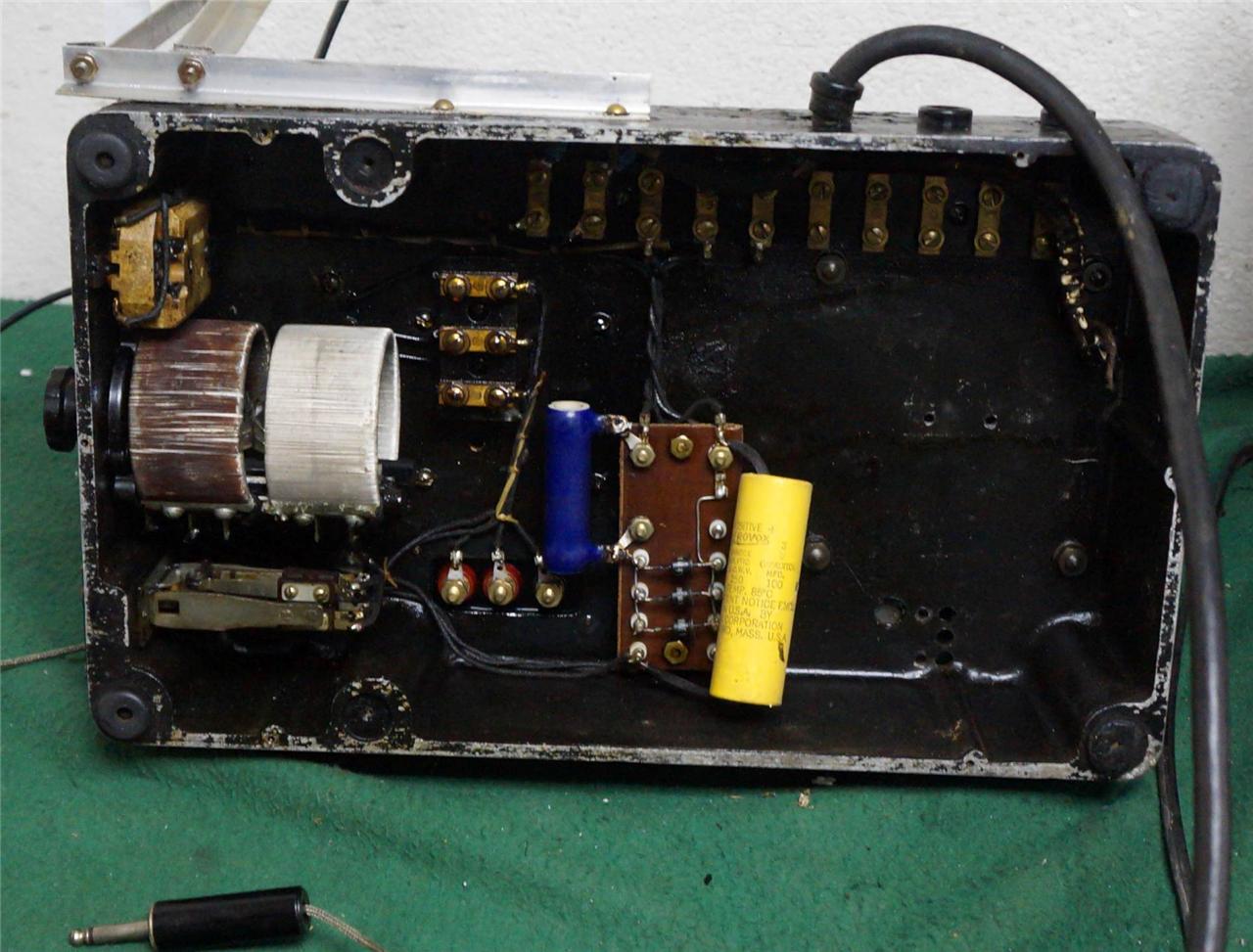
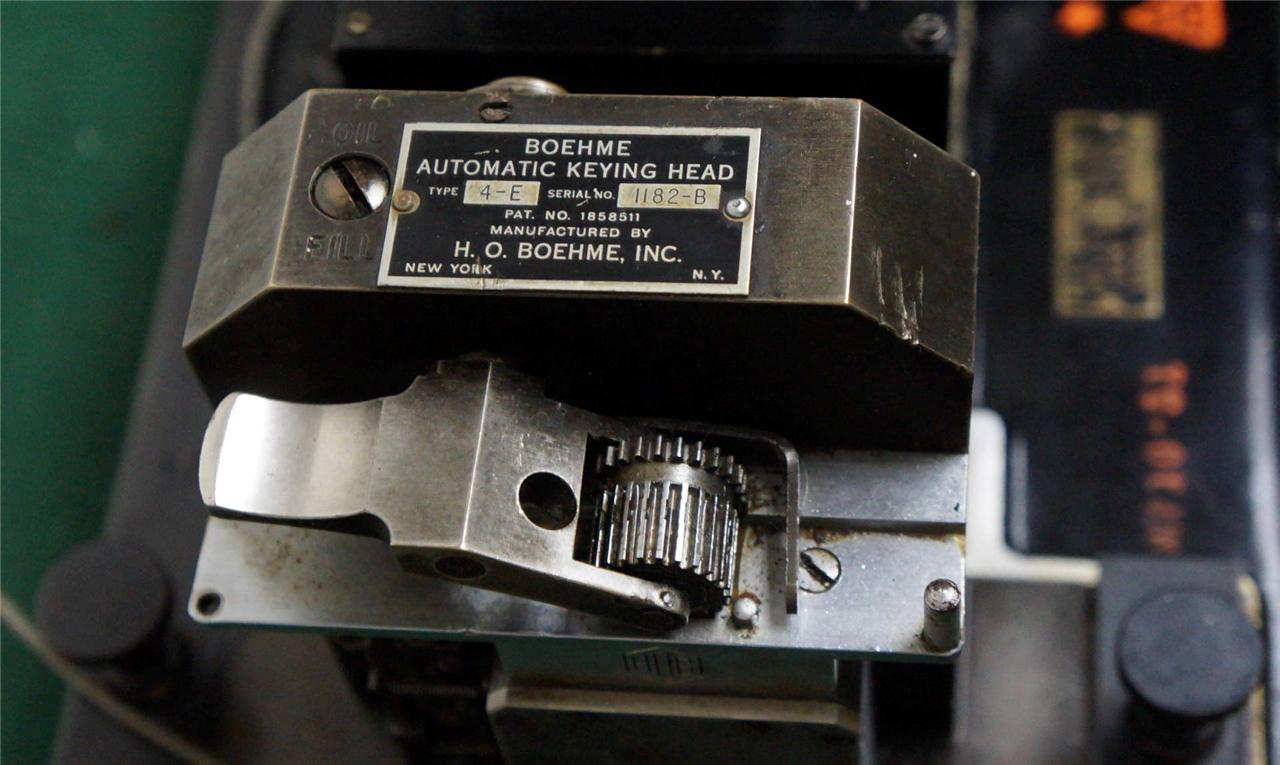
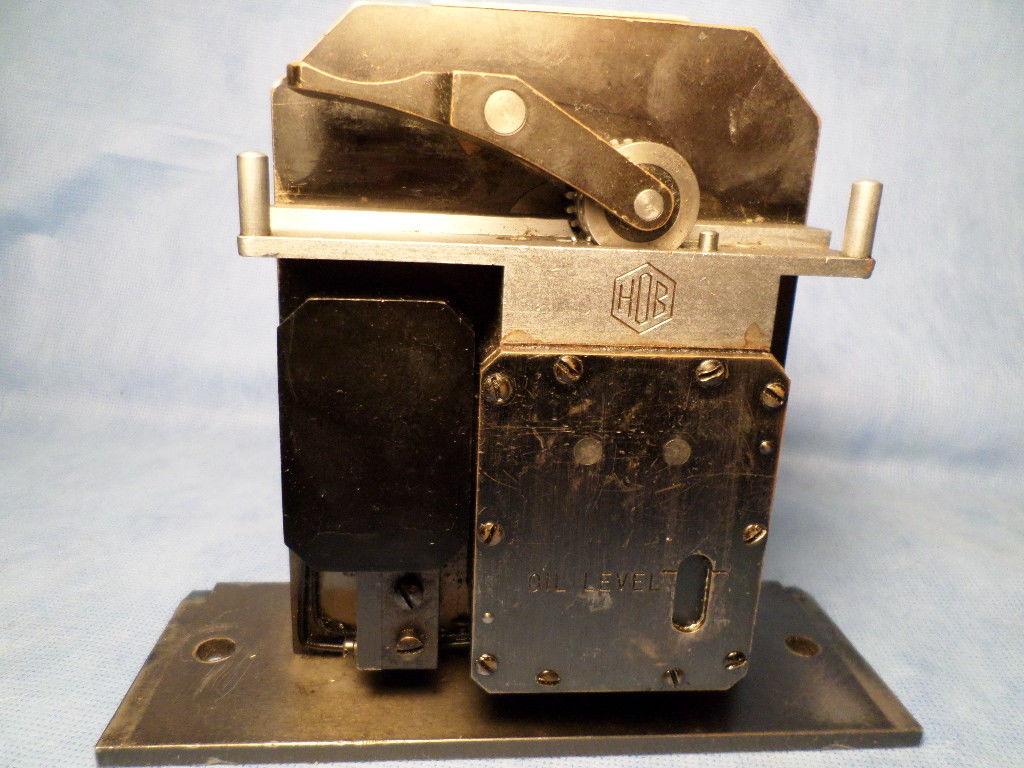
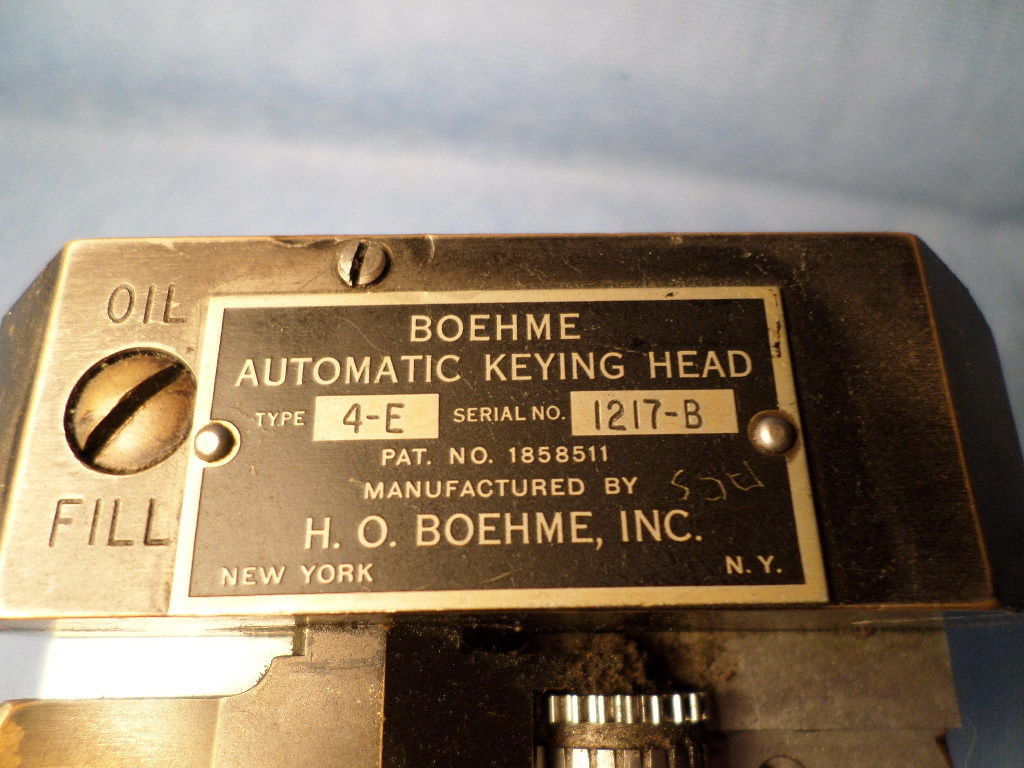
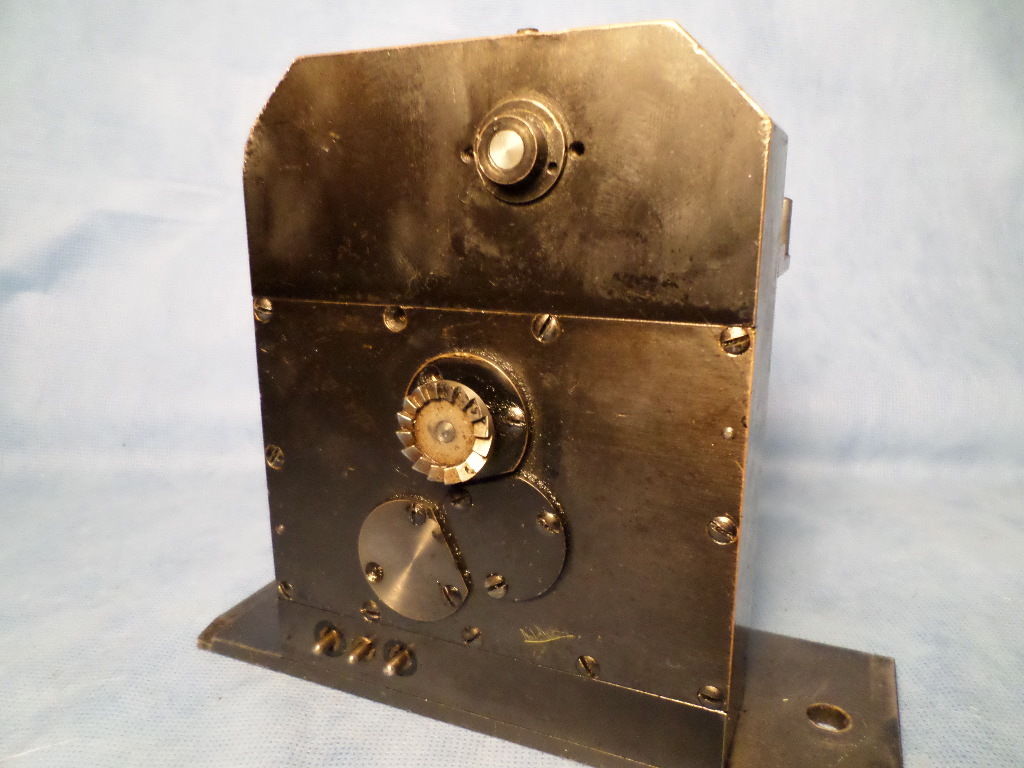
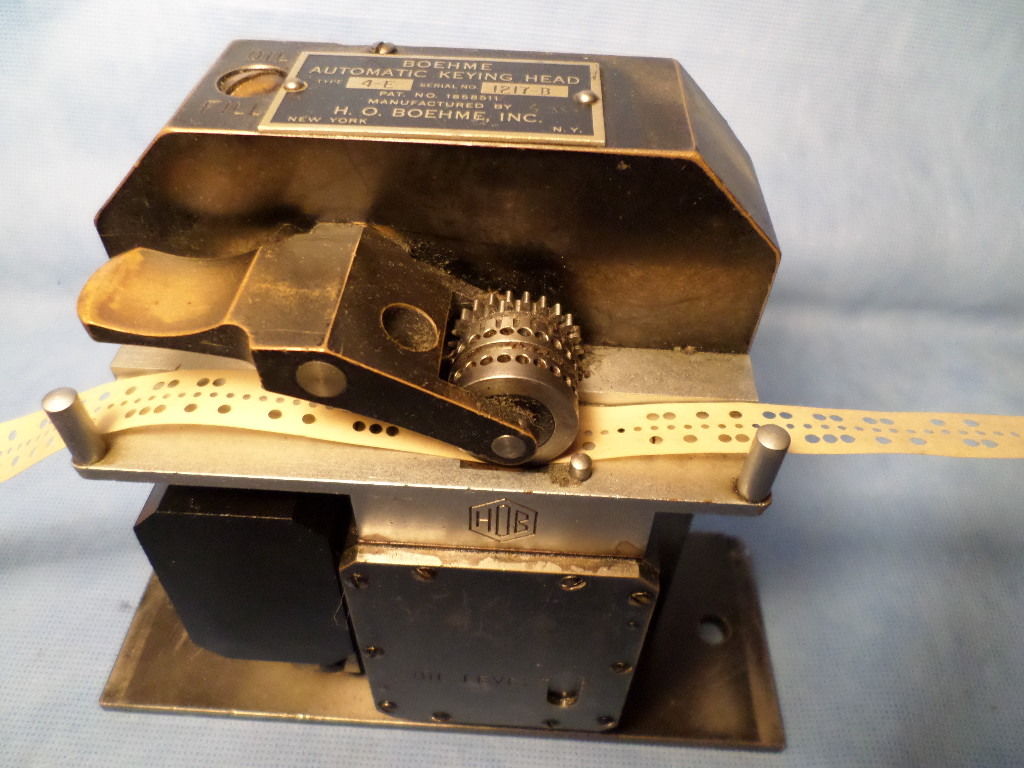
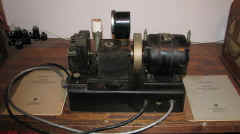
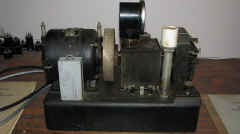
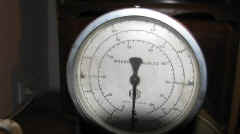
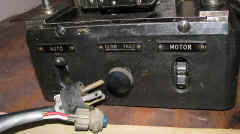
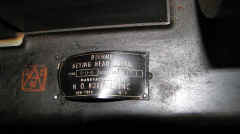
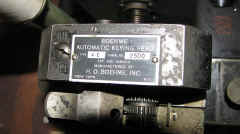
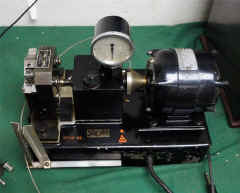
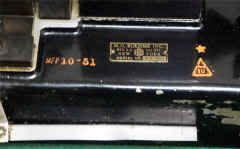
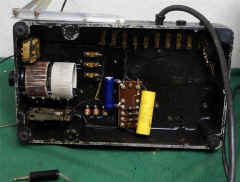
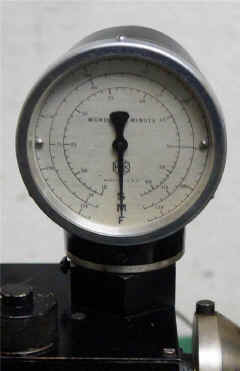
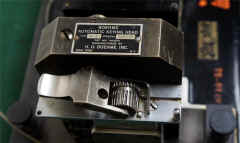
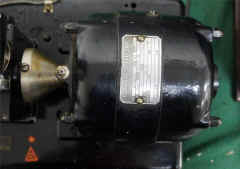
Boehme 4-D Drive with Boehme 4-E Keying Head- More photos
|
 |
 |
 |
 |
 |
 |
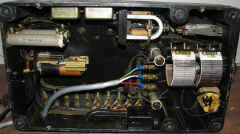 |
The manual for Boehme equipment is TM
11-377. |
 |
|
 |
|
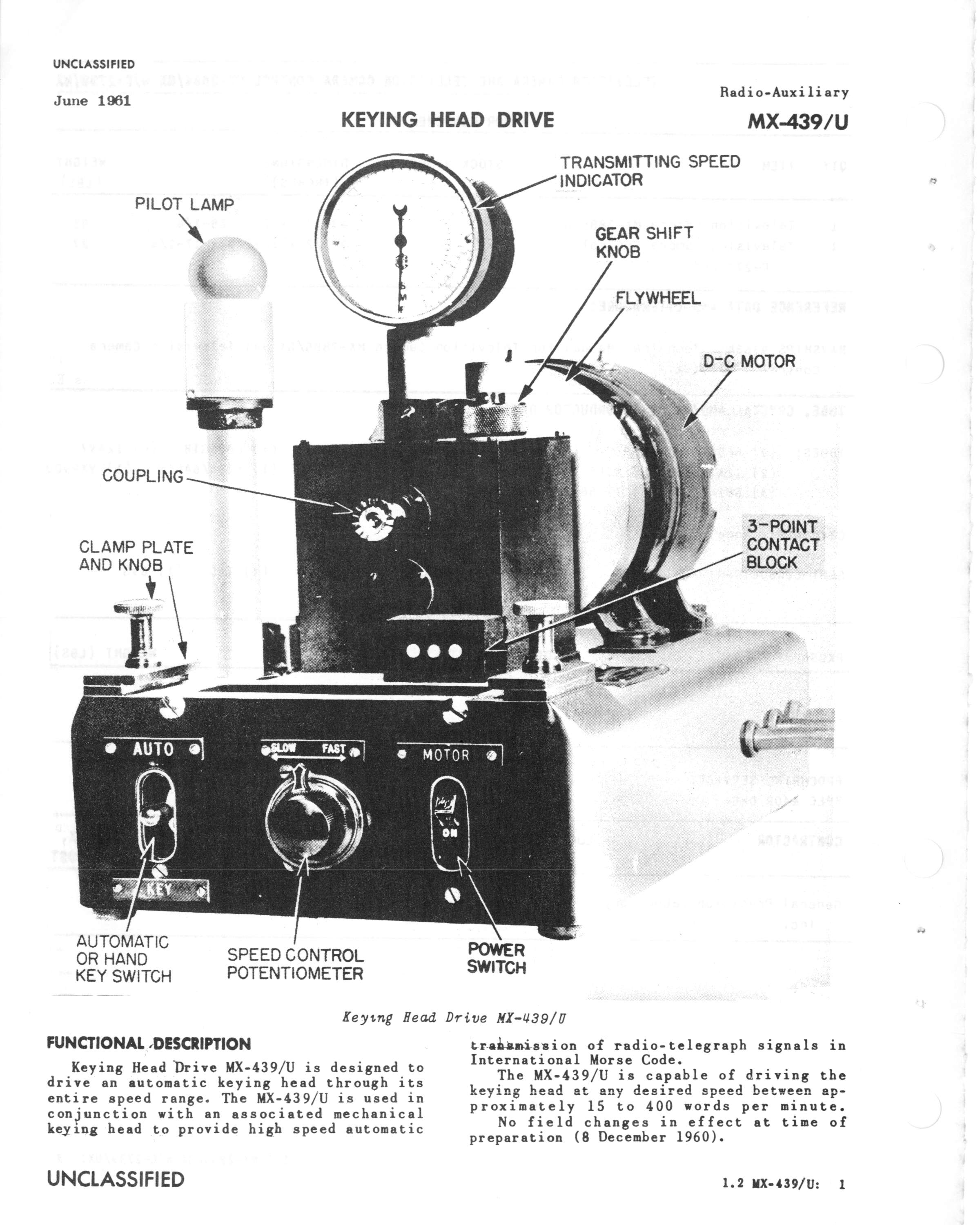
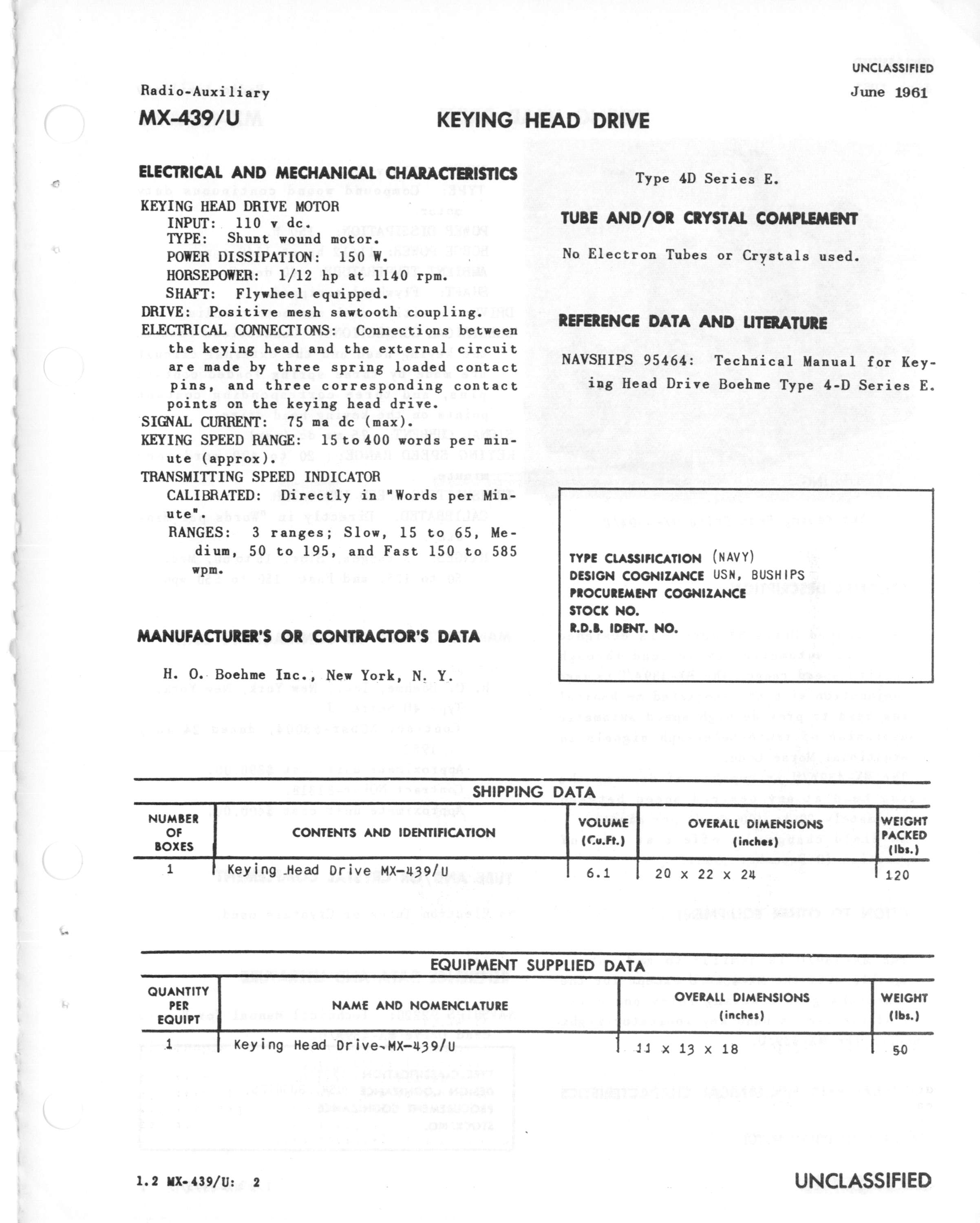
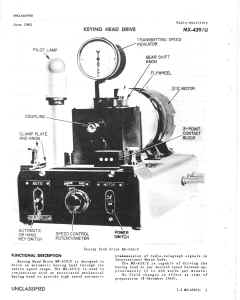
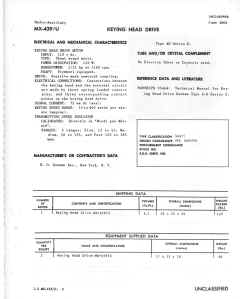
MX-439/U Keying Head Drive
(Boehme 4-D-E)
 |
|
The manual for Boehme equipment is TM
11-377. |
---
|
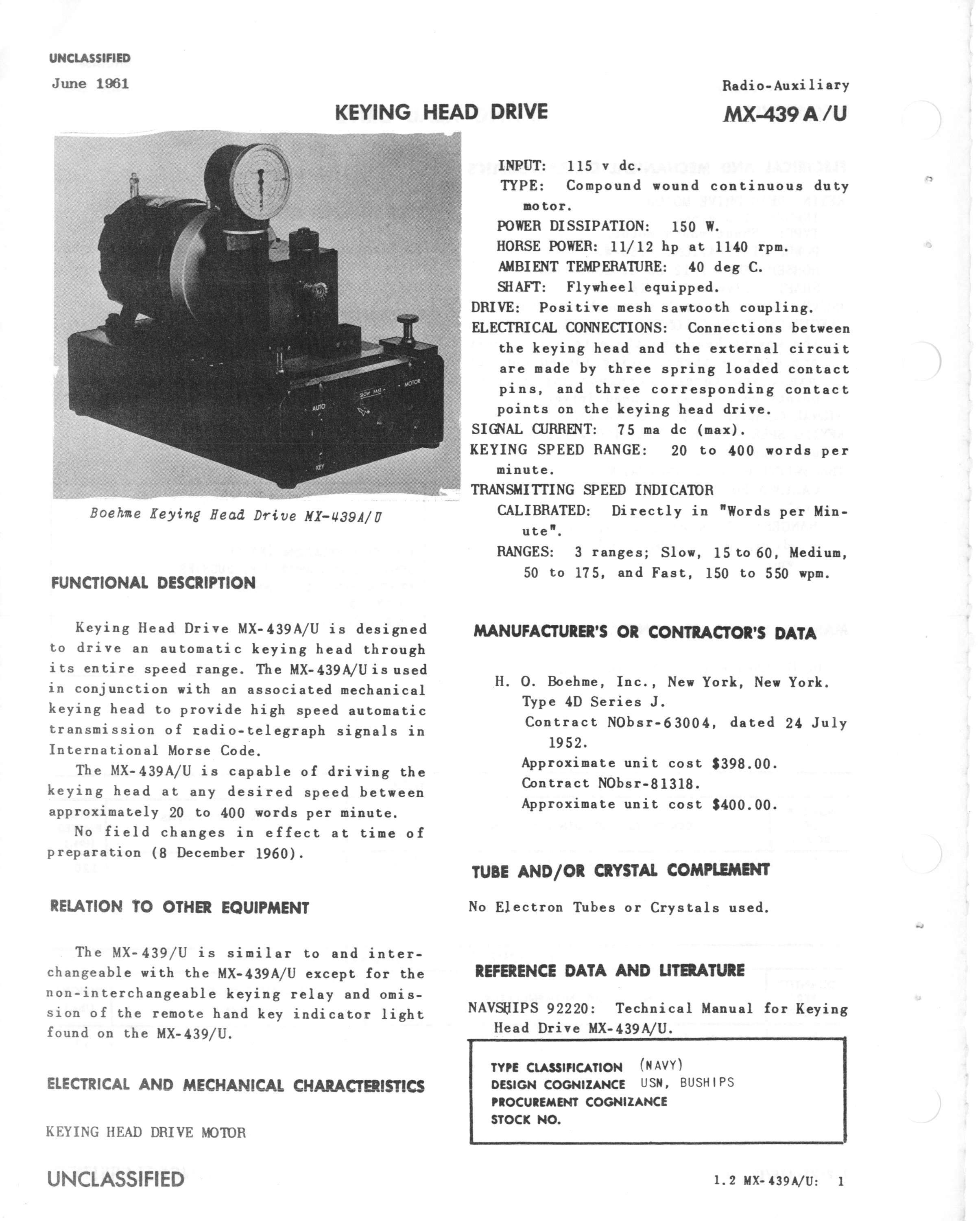
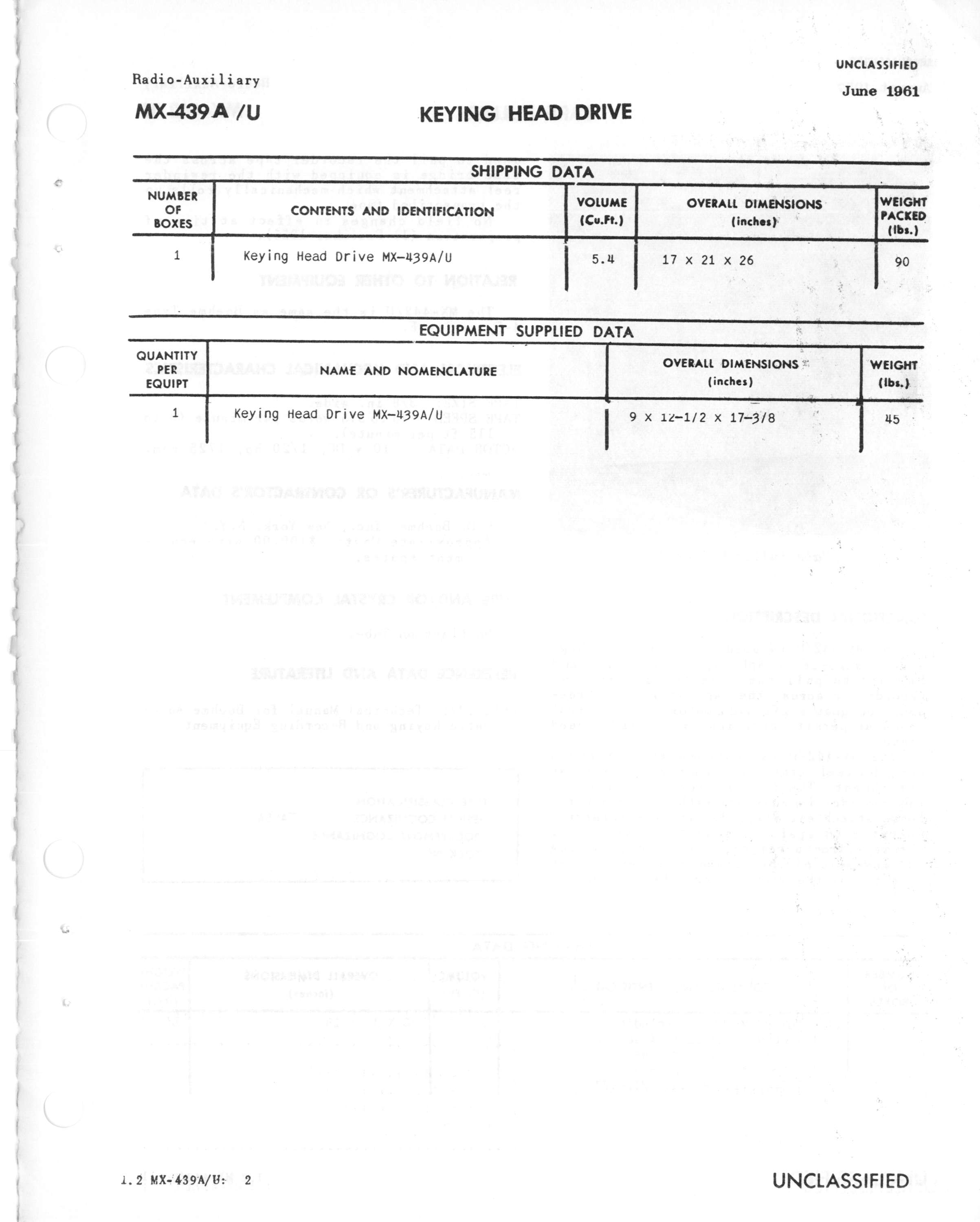
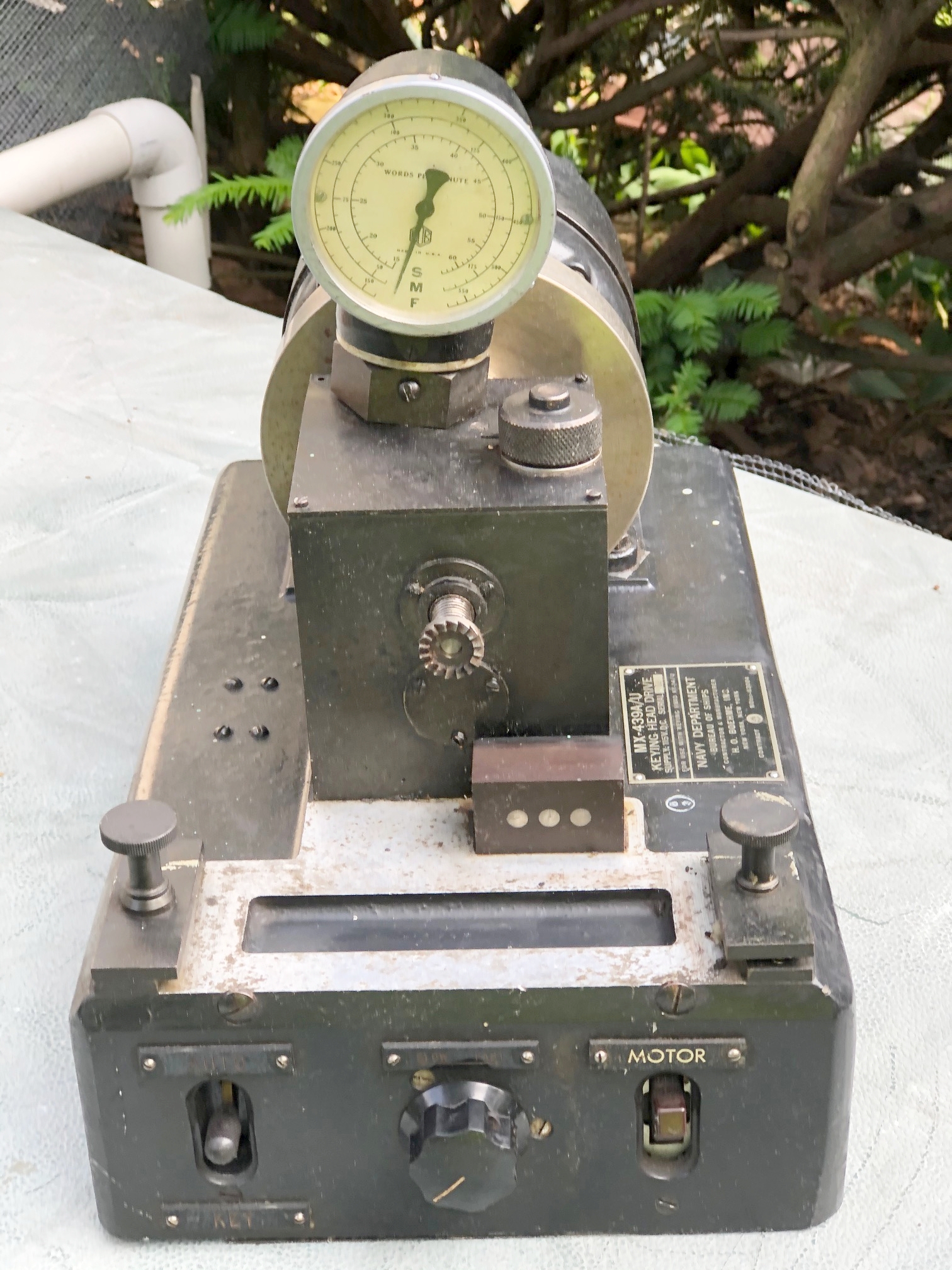
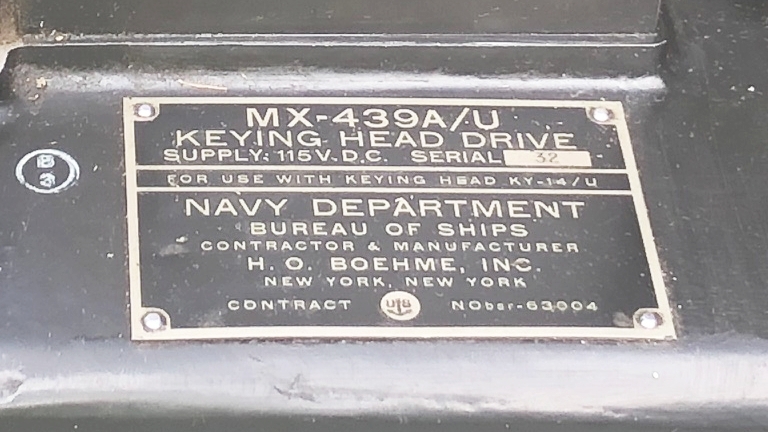
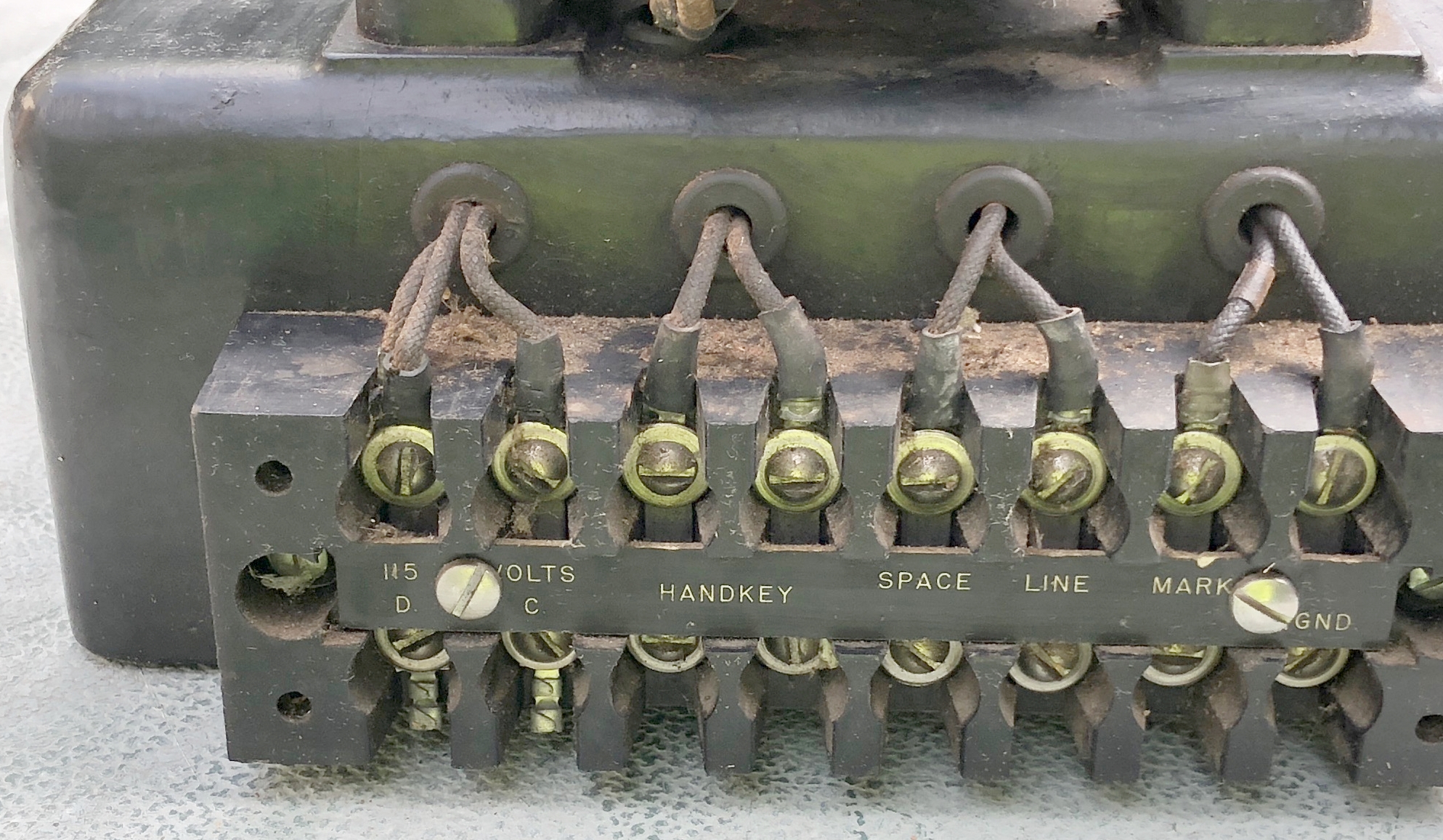
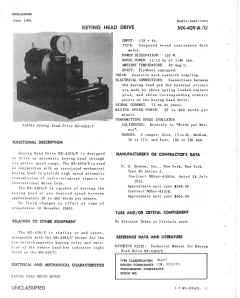
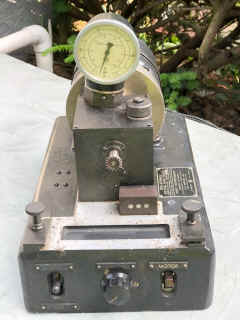
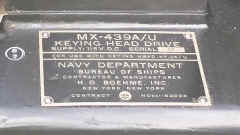
MX-439A/U Keying Head Drive
(Boehme 4-D-J)
|
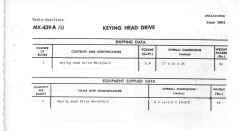
Manual NAVSHIPS 92220
|
MX-439A/U
 |
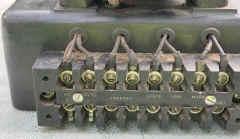
|
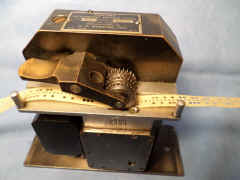
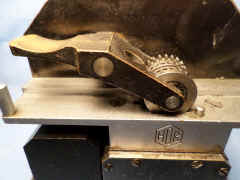
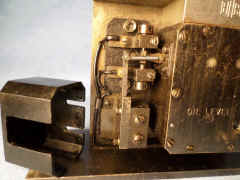
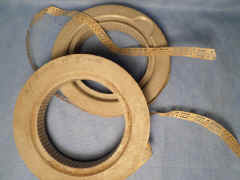
KY-14/U Keyer (Boehme 4-E Series B Automatic Keying Head)
|
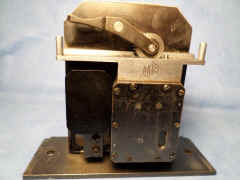 |
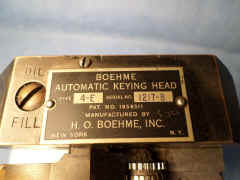 |
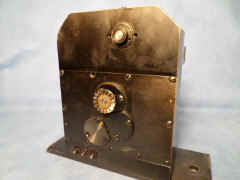 |
 |
 |
 |
 |
-- |
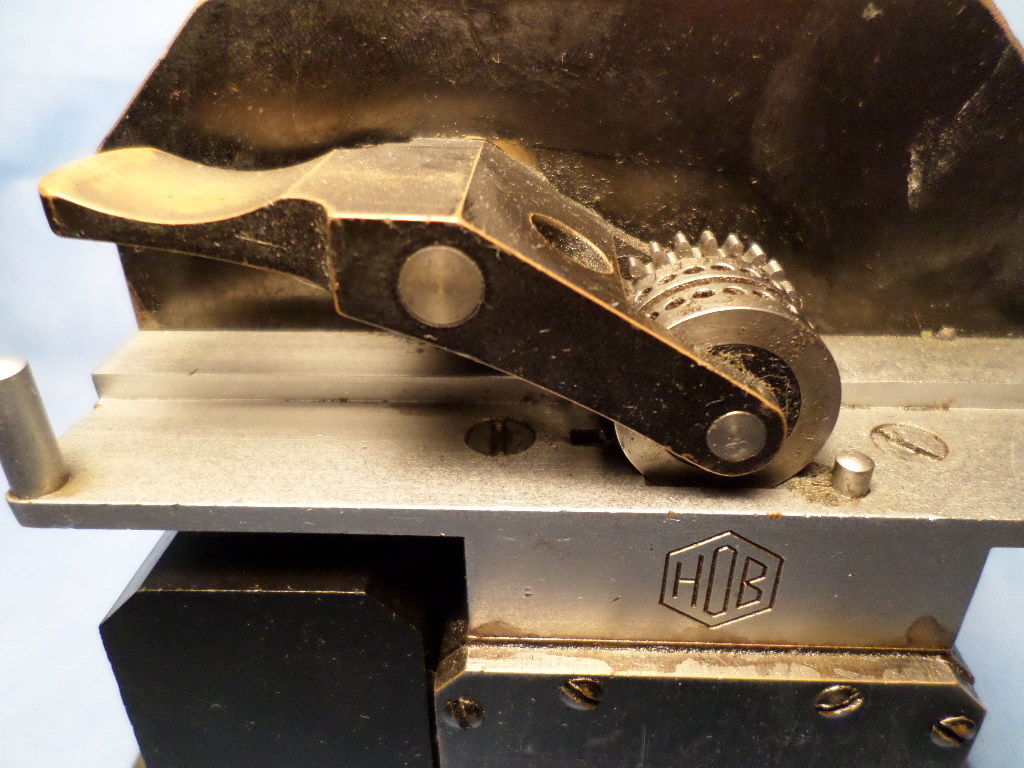
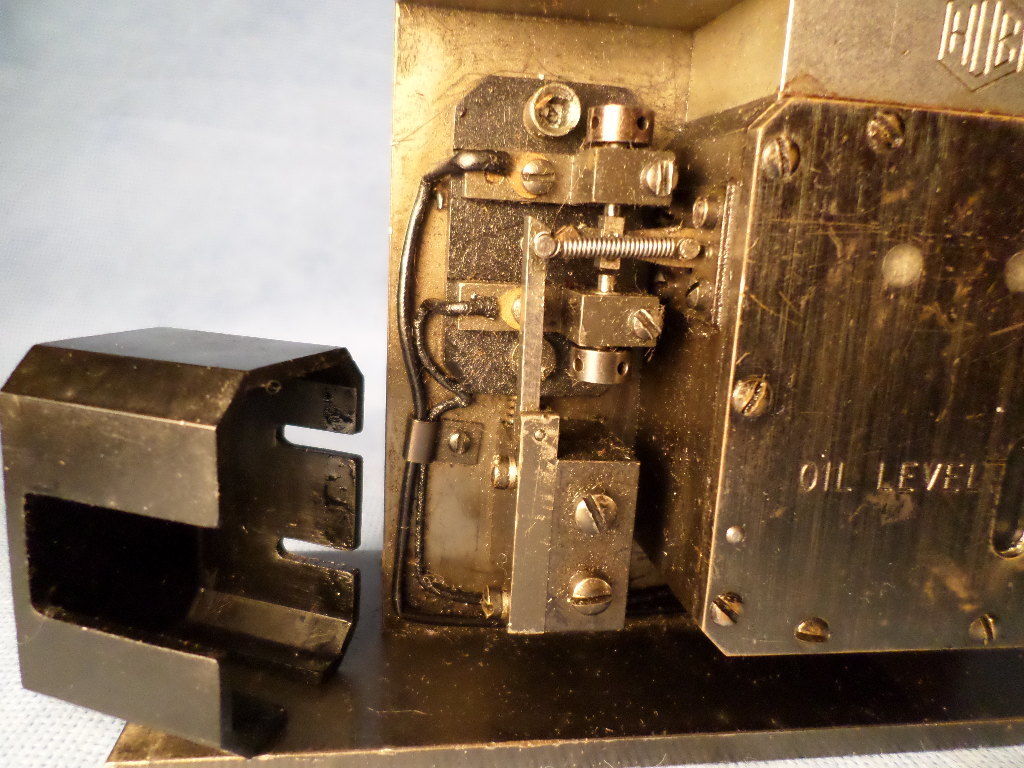
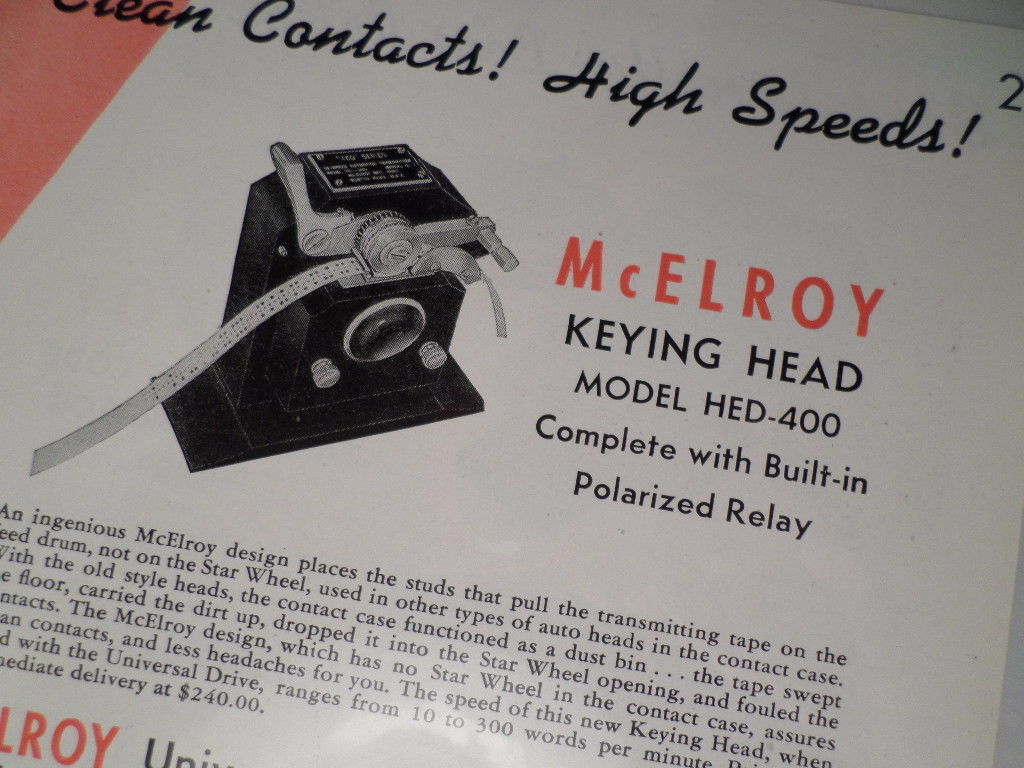
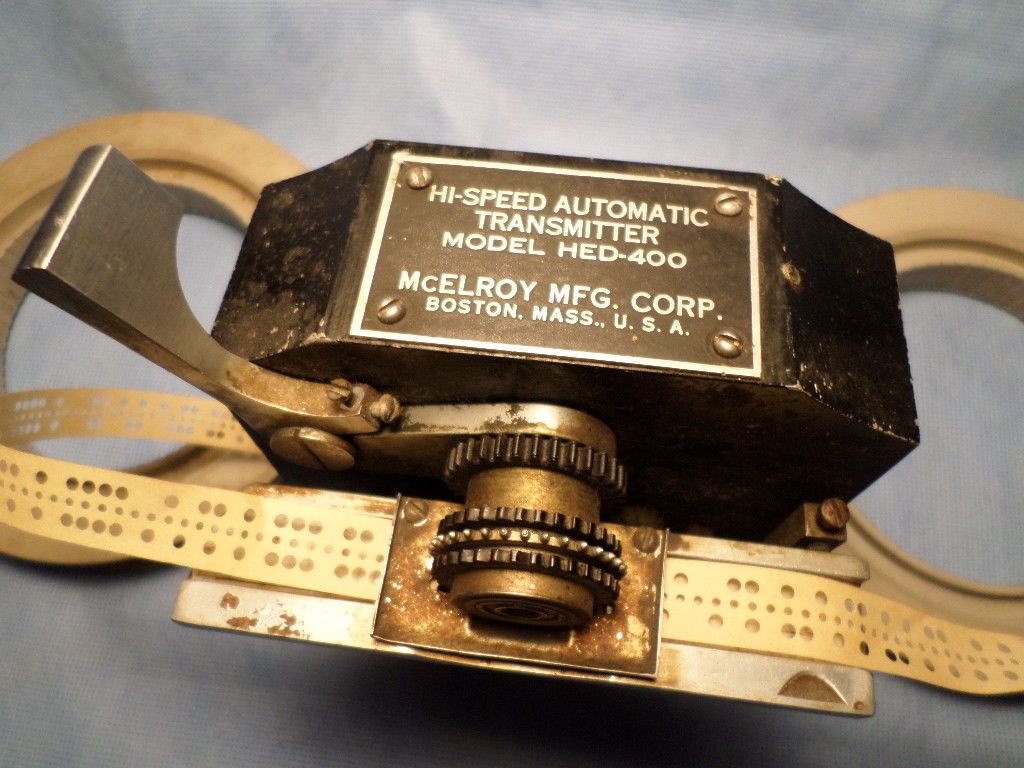
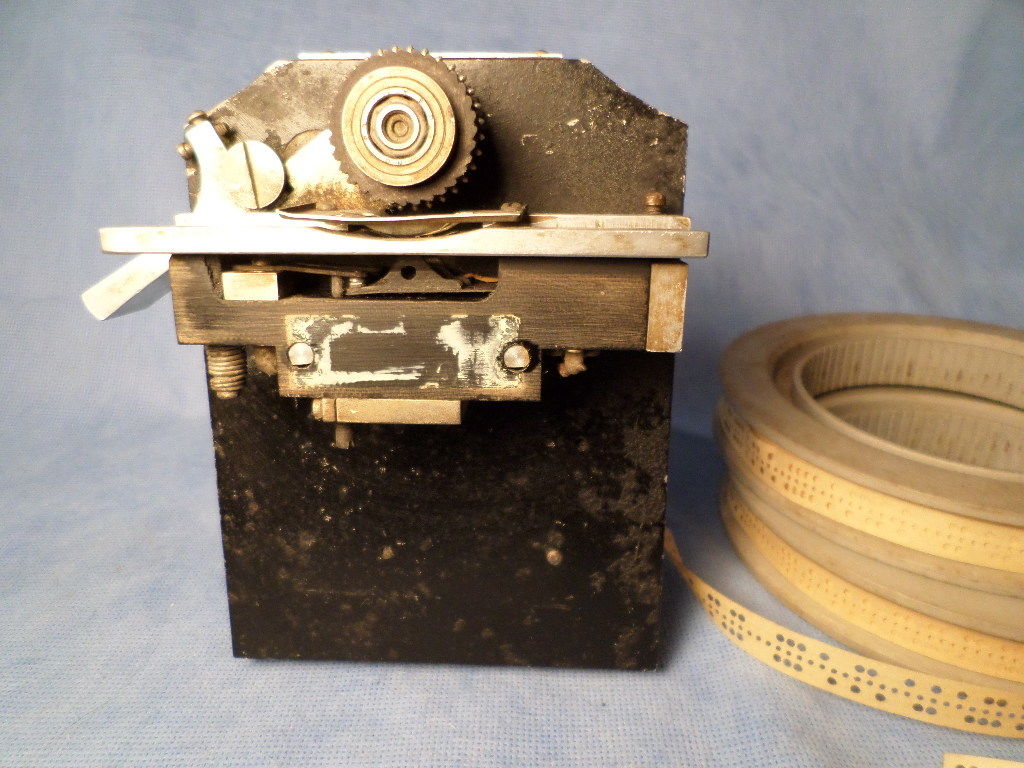
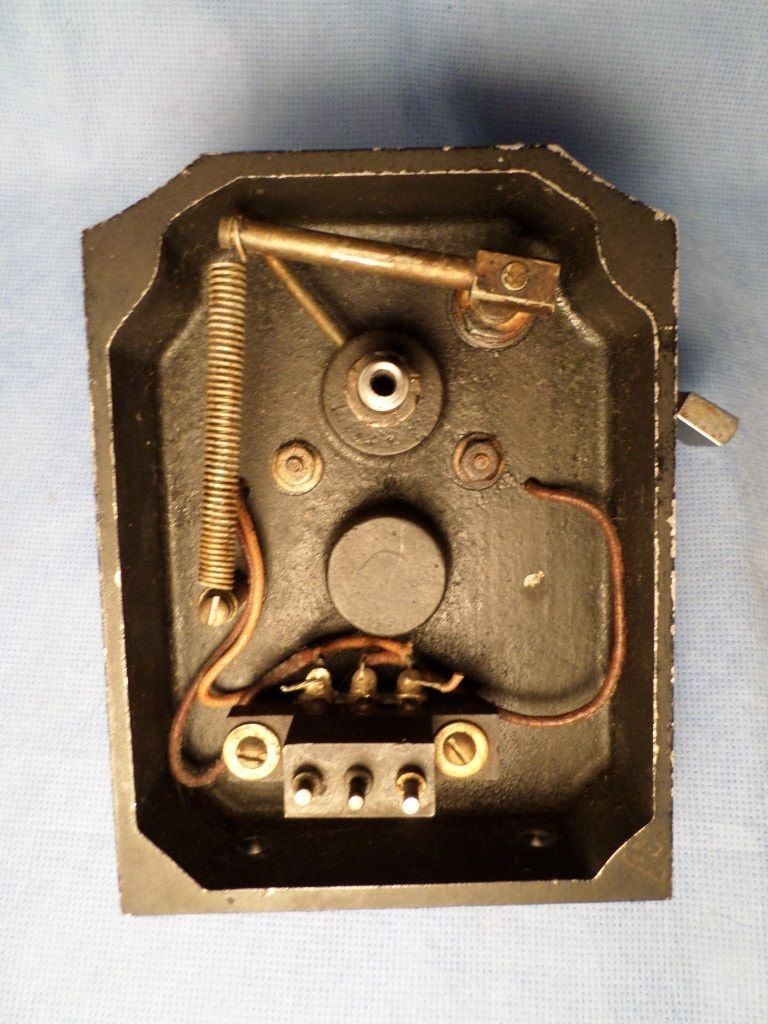
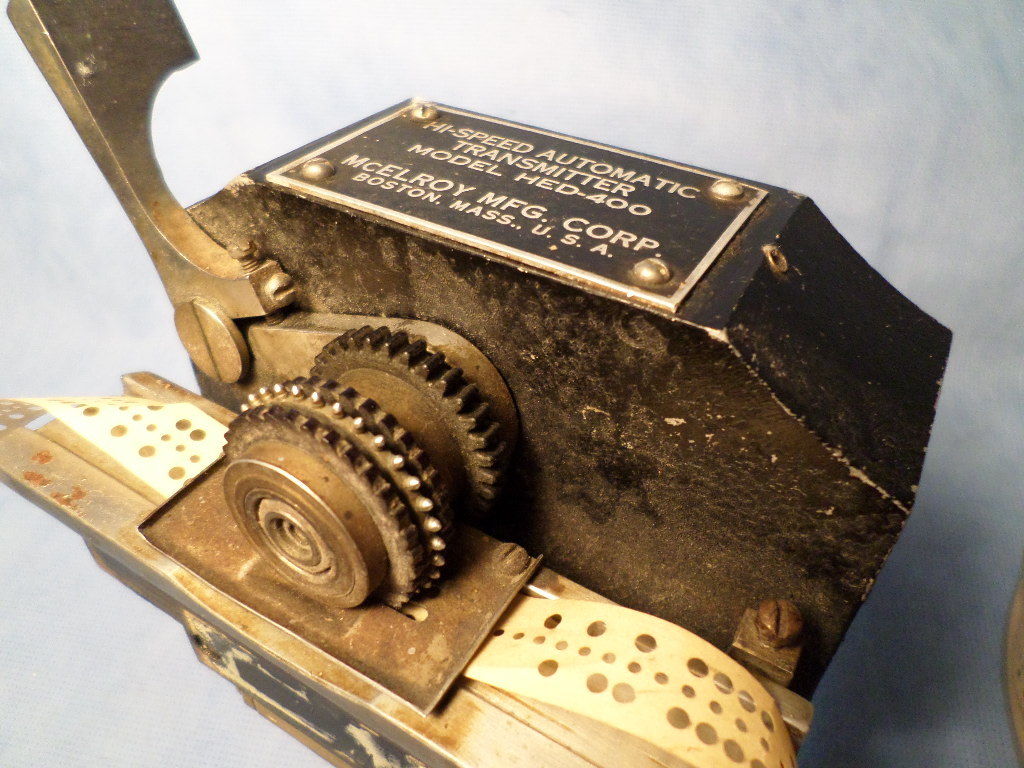
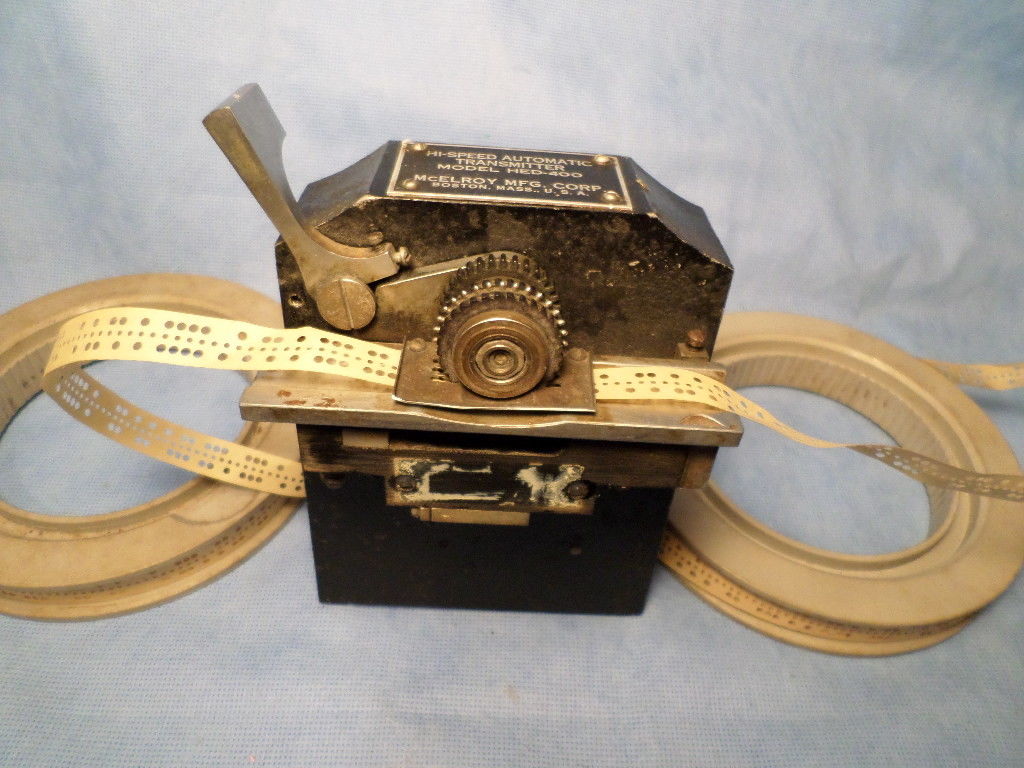
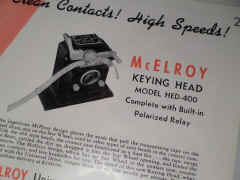
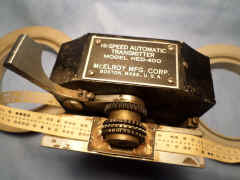
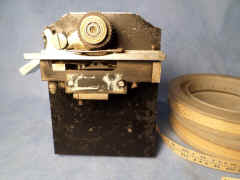
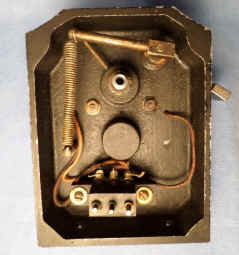
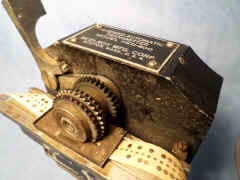
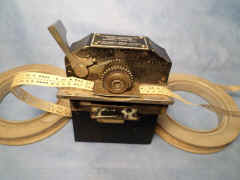
McElroy HED-400 Keying Head
|
|
|
|
|
|
--
|
-
|
|
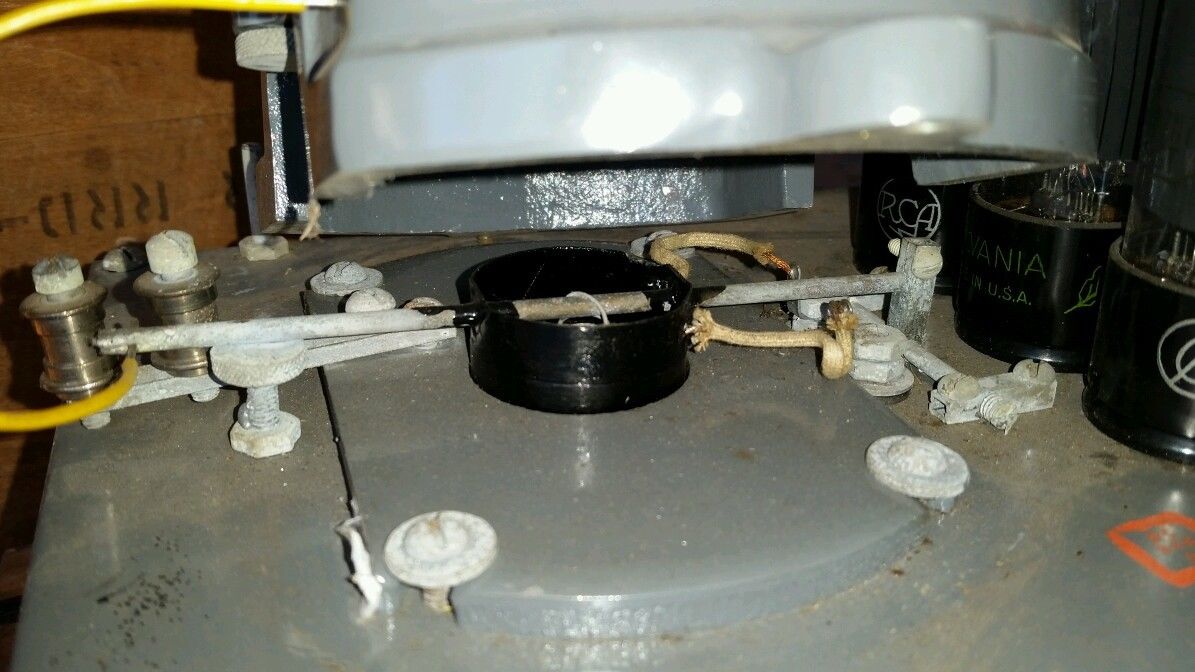
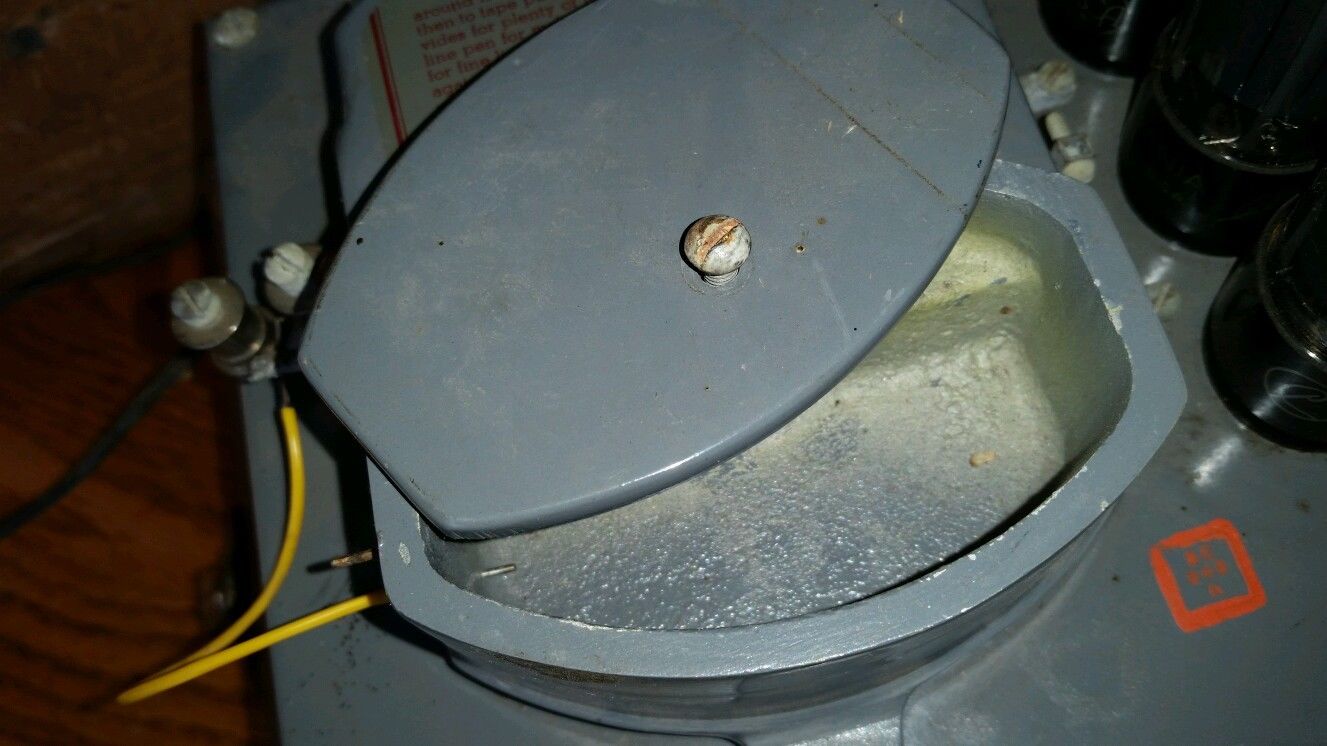
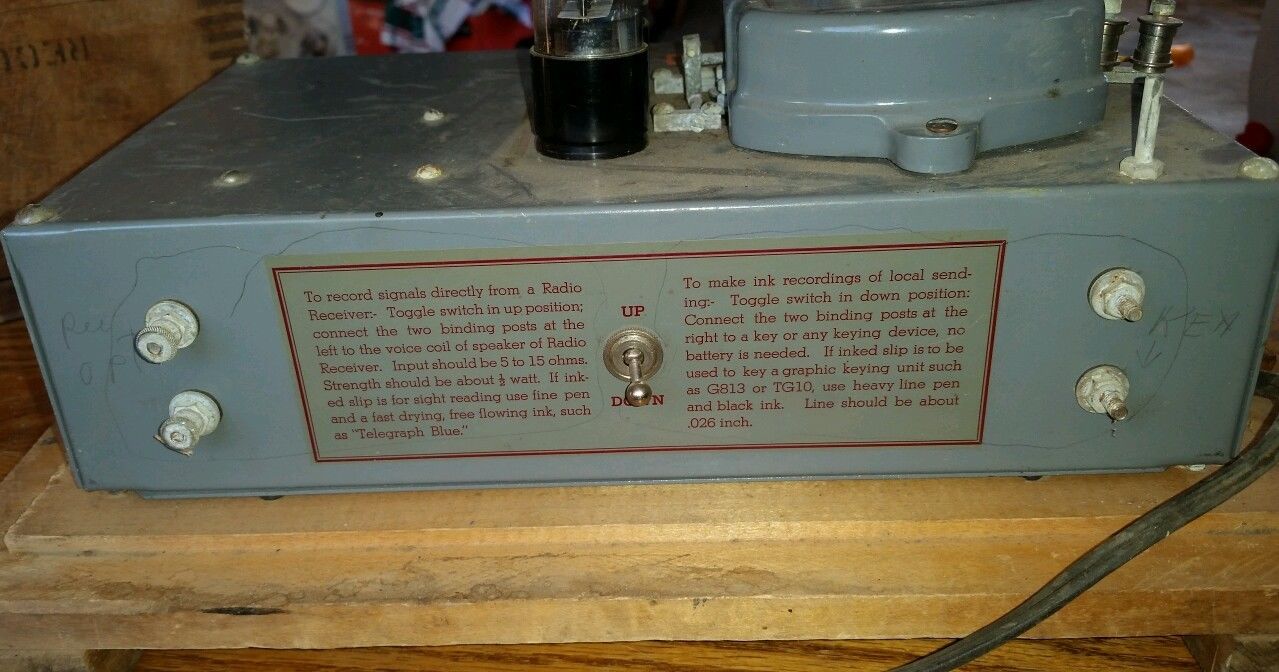
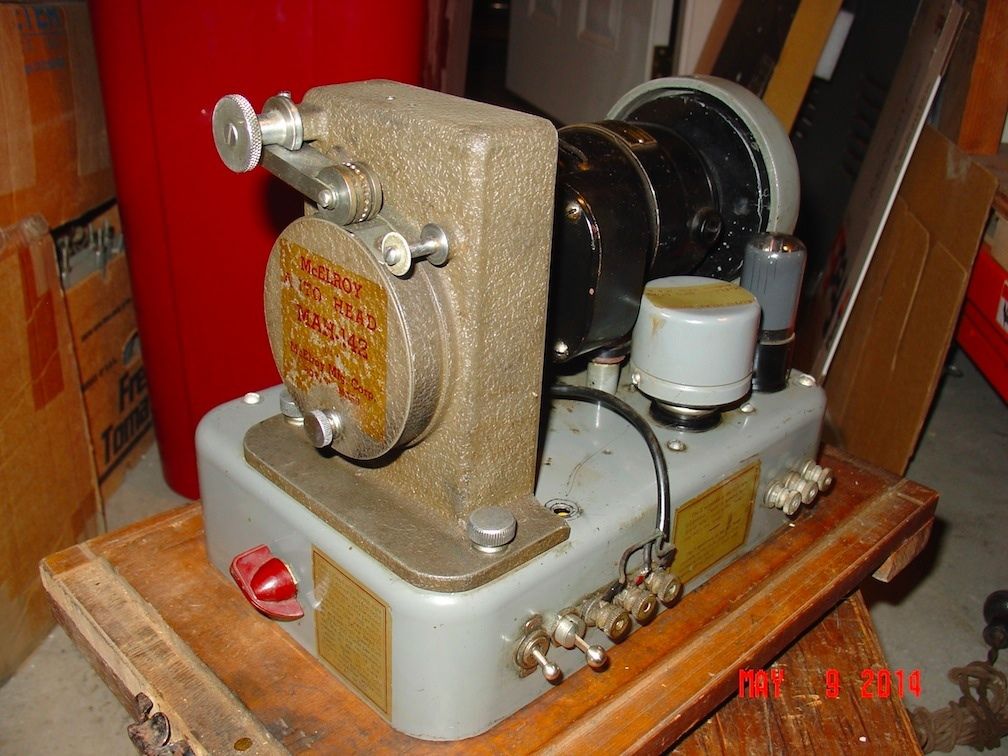
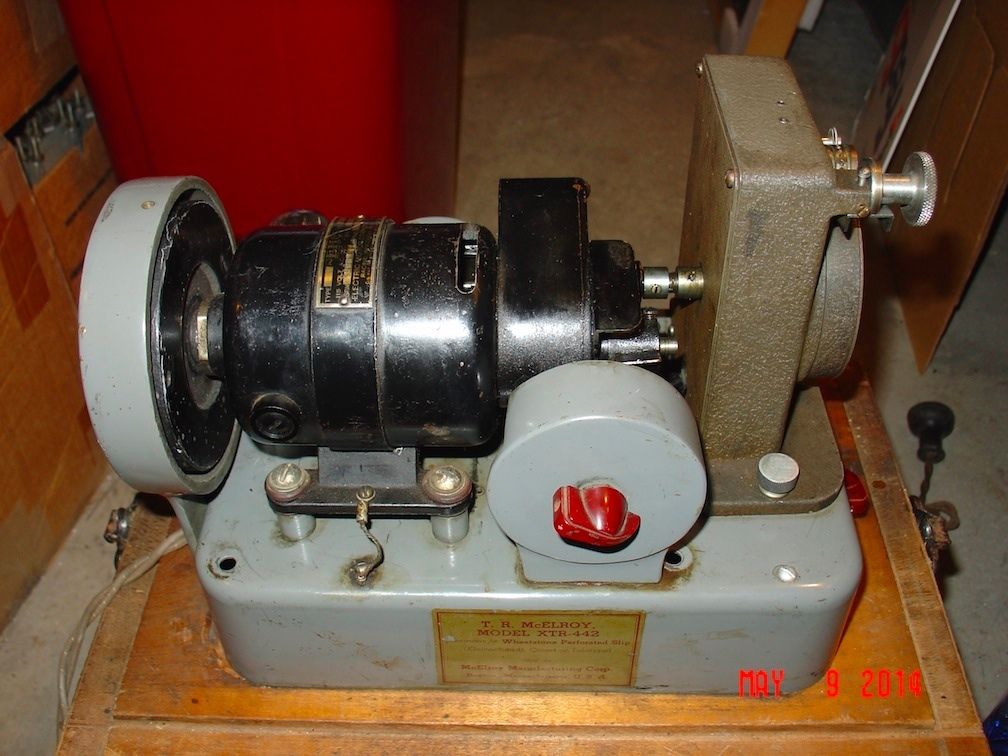
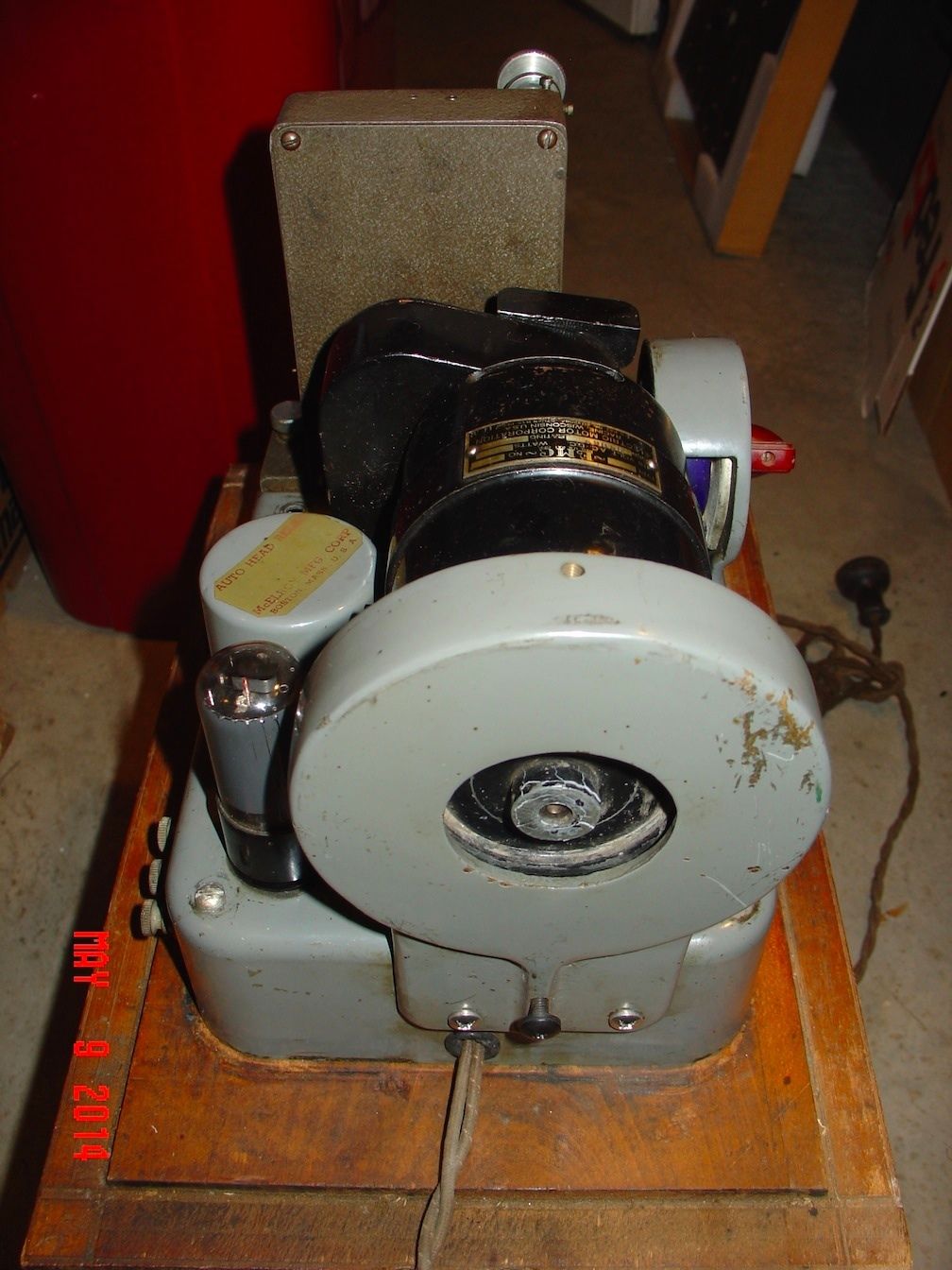
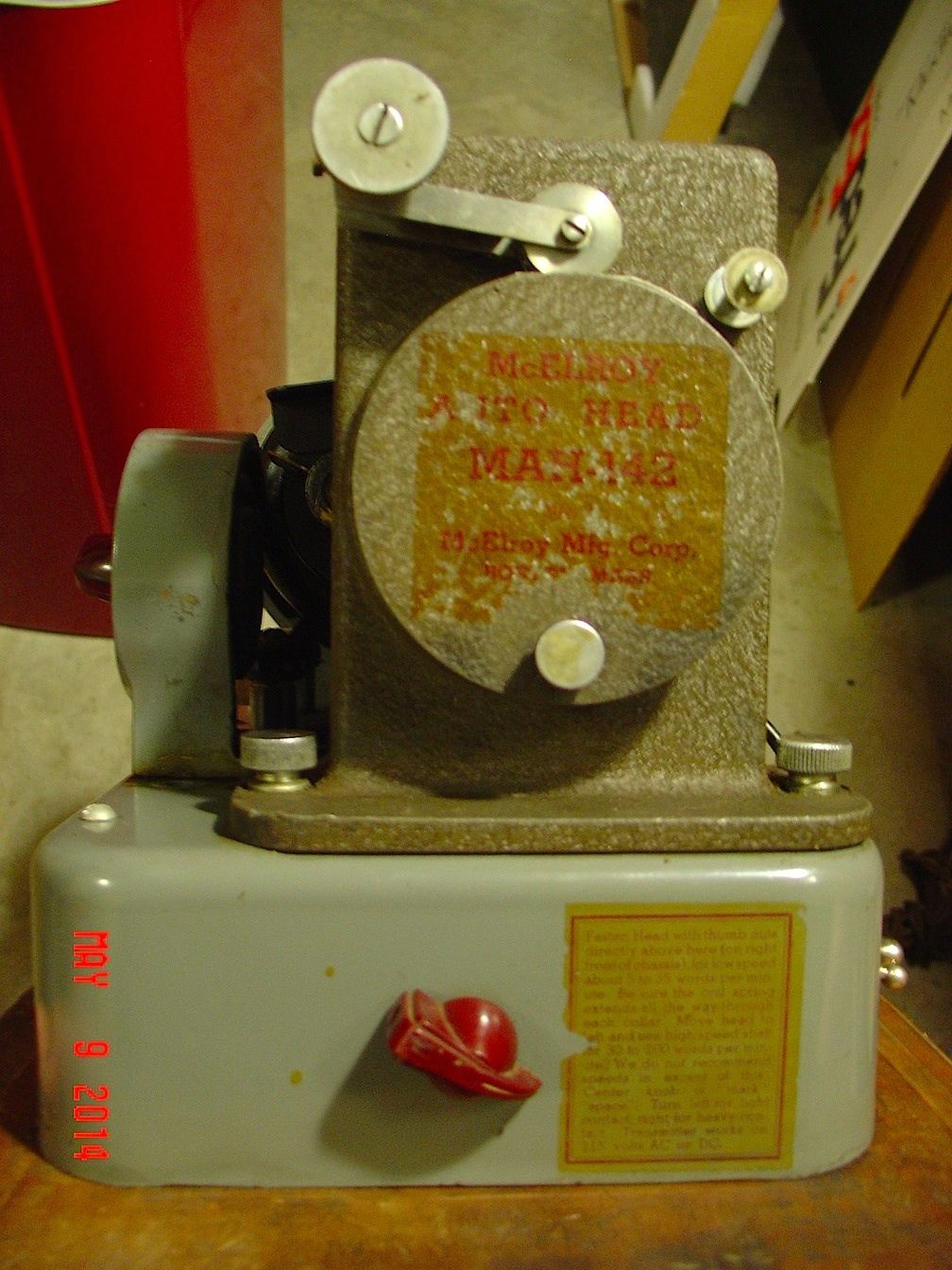
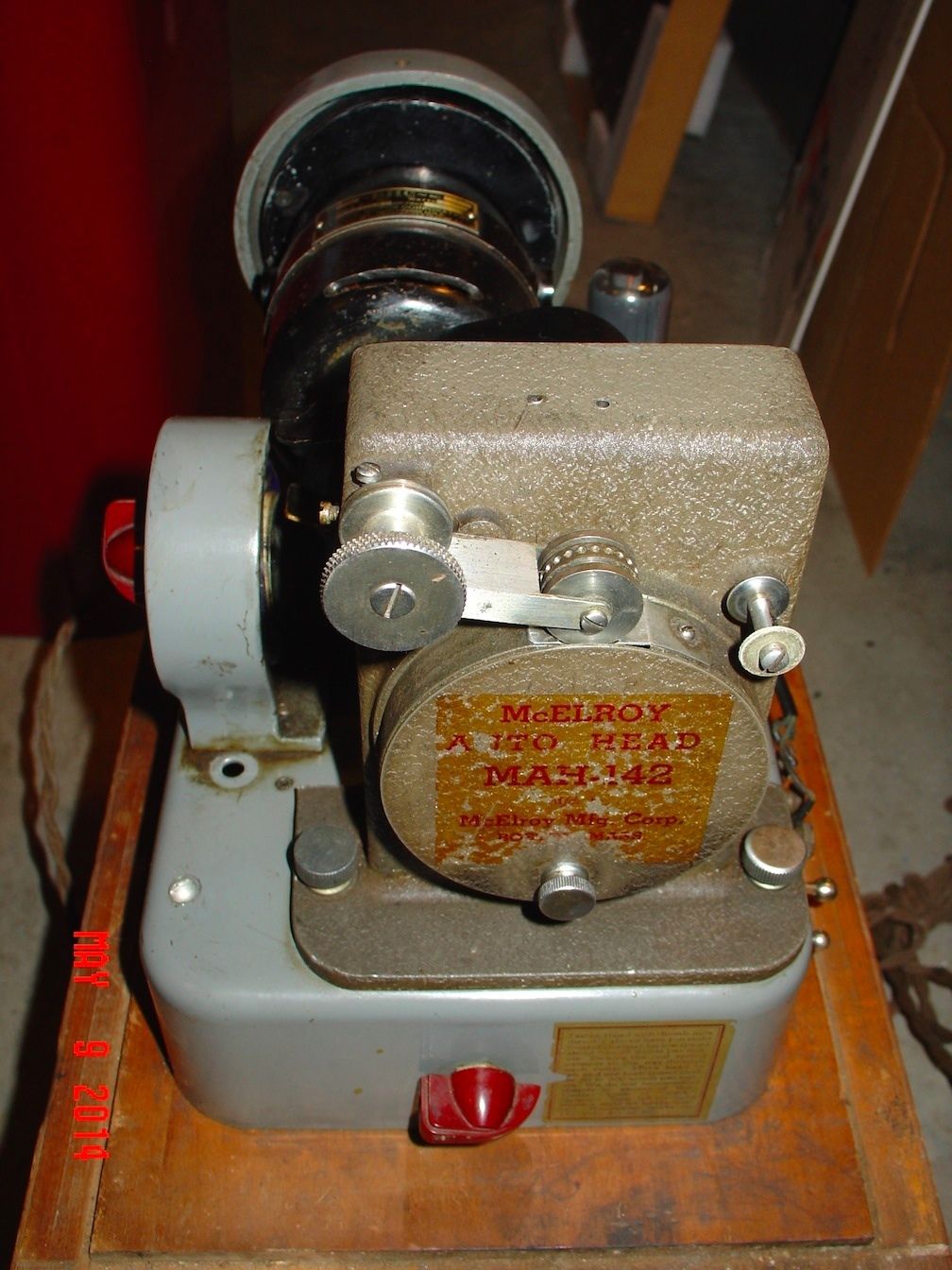
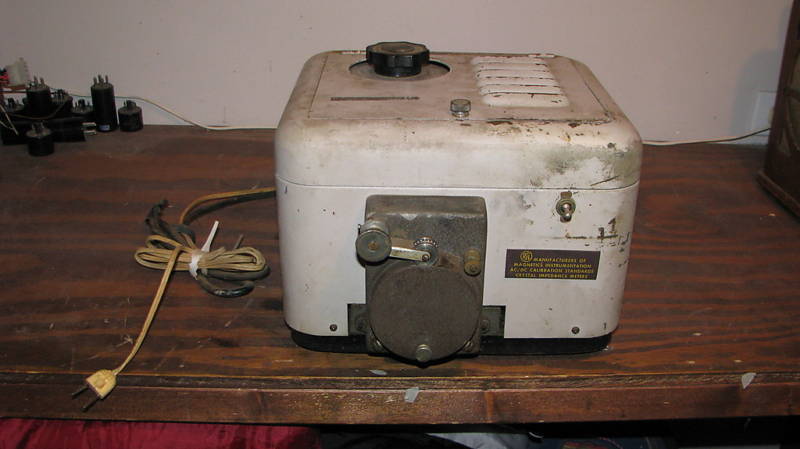
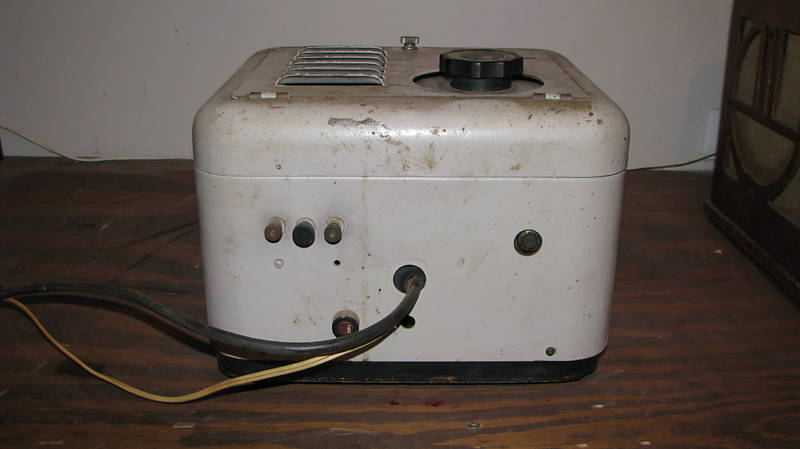
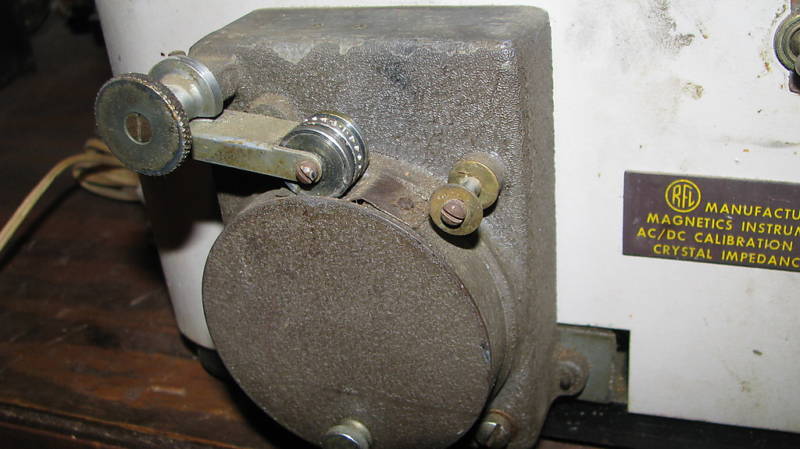
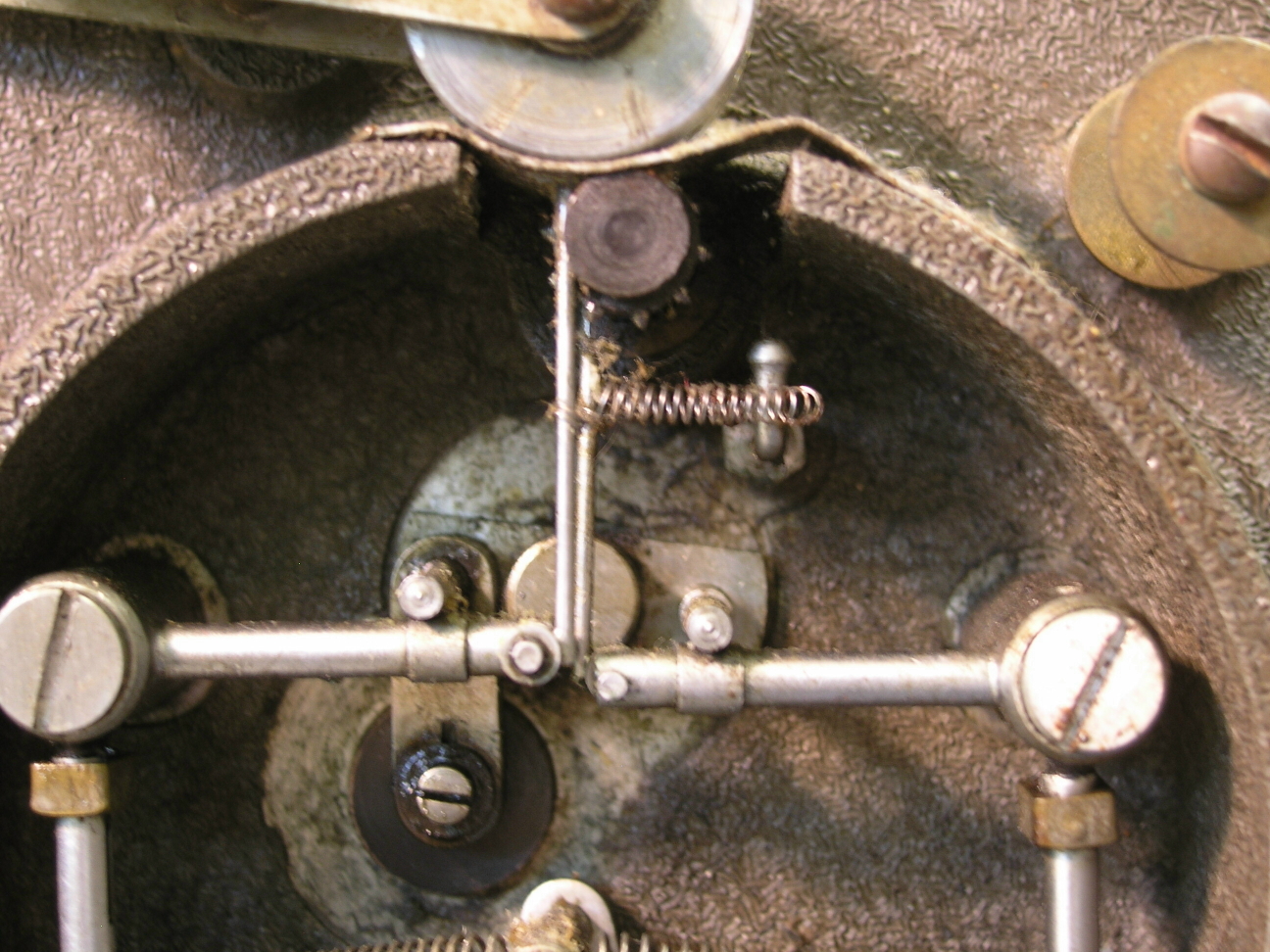
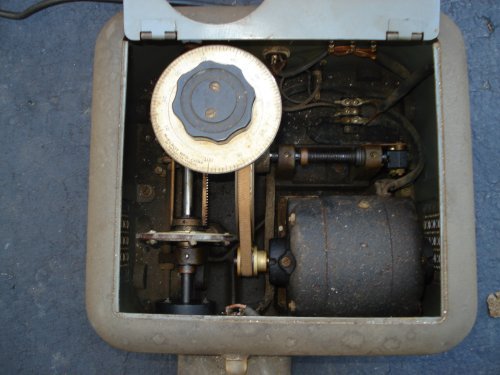
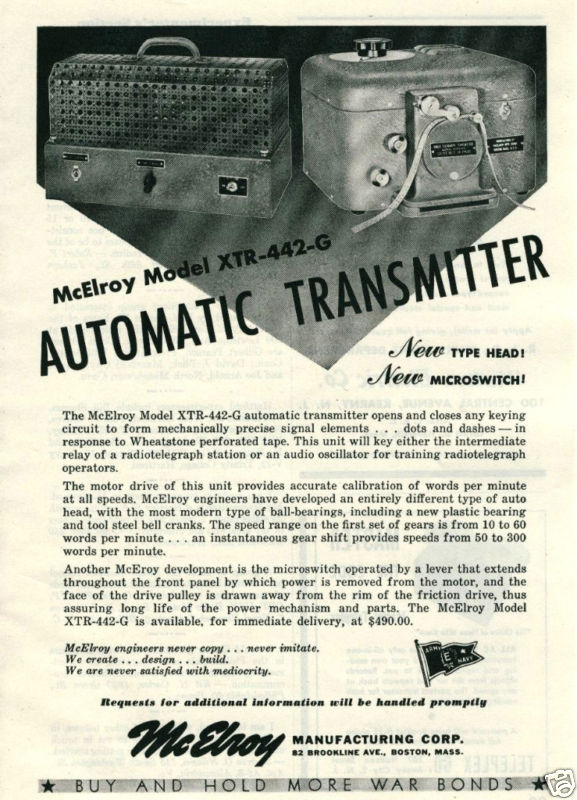
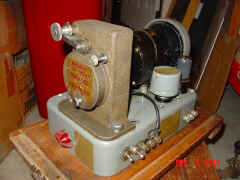
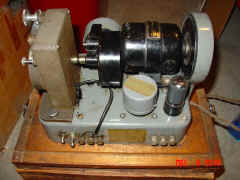
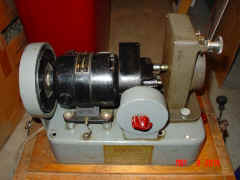
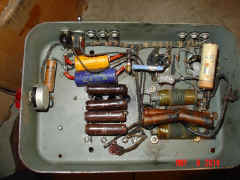
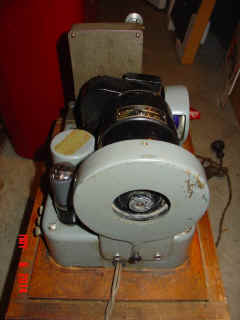
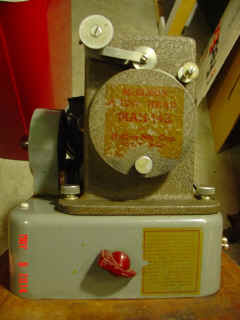
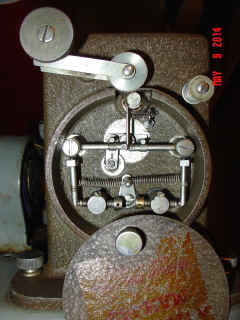
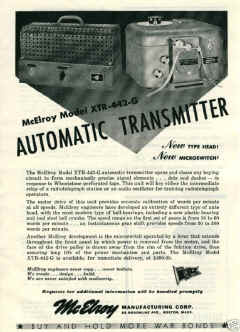
McElroy XTR-442 keyer with MAH-142 keying head
From an on-line sale listing: "The XTR-442 was an
early McElroy development model Morse transmitter that was the predecessor
of the McElroy XTR-442B Automatic Transmitter
The XTR-442 model listed here consists of a variable speed motor that,
through a gear-reduction assembly, drives a McElroy sprocket feed paper
tape reader (tape head) that in operation sends Morse coded signals to a
polar relay mounted on the unit, the output of which was connected to
radiotelephone or telegraphy equipment to send messages at high speed. In
use the operator mounts the tape head in one of two positions on the units
deck to establish the desired speed range. The two speed ranges allow the
unit to send Morse code at 5 to 200 words per minute. The head is located
to the right side of the deck for speeds of 5-35 wpm and to the left side
for speeds of 30-200 wpm. The motor speed within these ranges is adjusted
with the 300 ohm motor speed rheostat, see enclosed schematic. The head
utilized a 1/2 inch wide oiled paper tape that was prepared by using a
companion paper tape perforator such as McElroy’s or those of other
manufacturers.
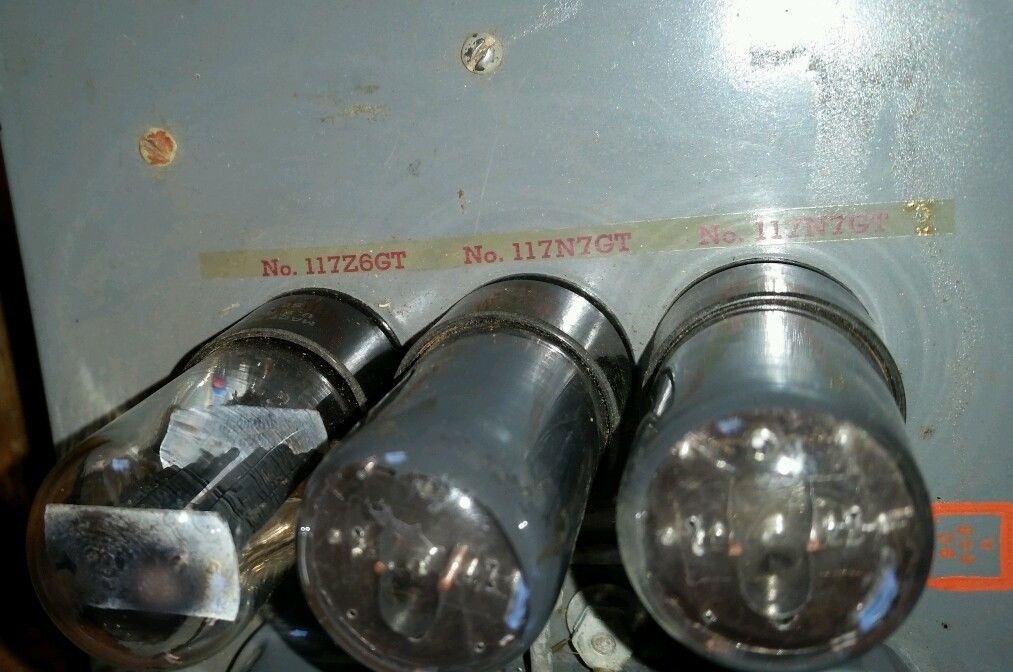
This unit employs a 117N7GT vacuum tube which supplies rectified DC for
the unit and is also a one tube amplifier in the keying circuit which
allows some influence on the characteristics of the code coming out of the
unit; such as the make and break characteristics of the polar output
relay. A control on the unit can change what McElroy calls the “key dot
bias” which I assume has to do with an operators subjective preference
regarding “how heavy a fist” the unit sounds like it has.
An early QST advertisement (November, 1943) is included to show the
XTR-442 in use and also shows McElroy himself. The ad also points out that
McElroy’s automatic Morse transmitters were priced at $375.00 at that
time, a pretty hefty price in 1943."
|
|
 |
 |
 |
|
 |
 |
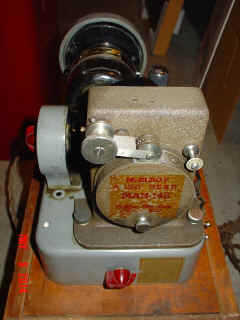 |
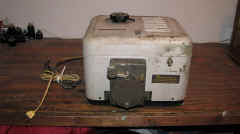
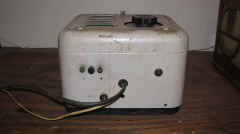
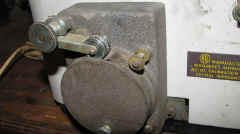
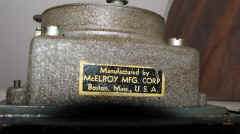
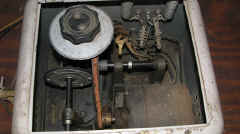
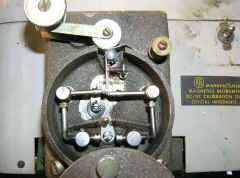
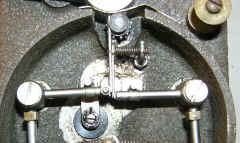
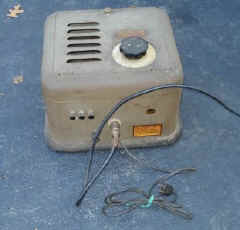
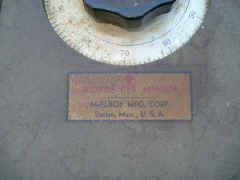
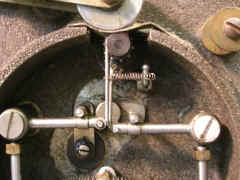
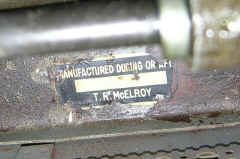
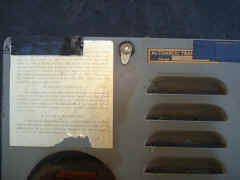
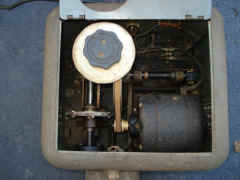
McElroy XTR-442B Automatic Transmitter (Keyer) - Video of
Wheatstone perforator and McElroy keyer in operation.
|
 |
 |
 |
 |
 |
 |
 |
 |
| Slightly different model shown below
|
 |
 |
 |
 |
 |
 |
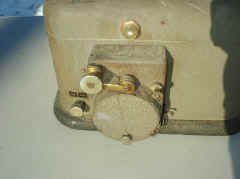 |
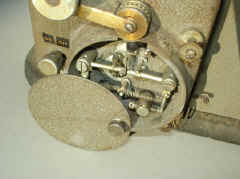
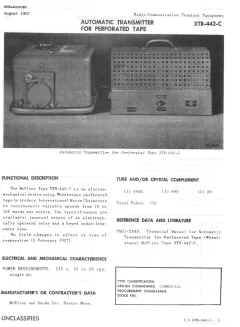
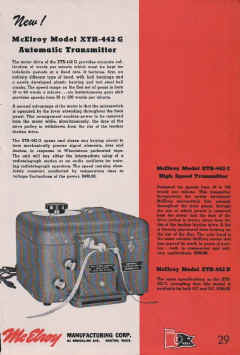
McElroy XTR-442C, -442G Automatic Transmitter (Keyer) - Manual
|
 |
 |
 |
- |
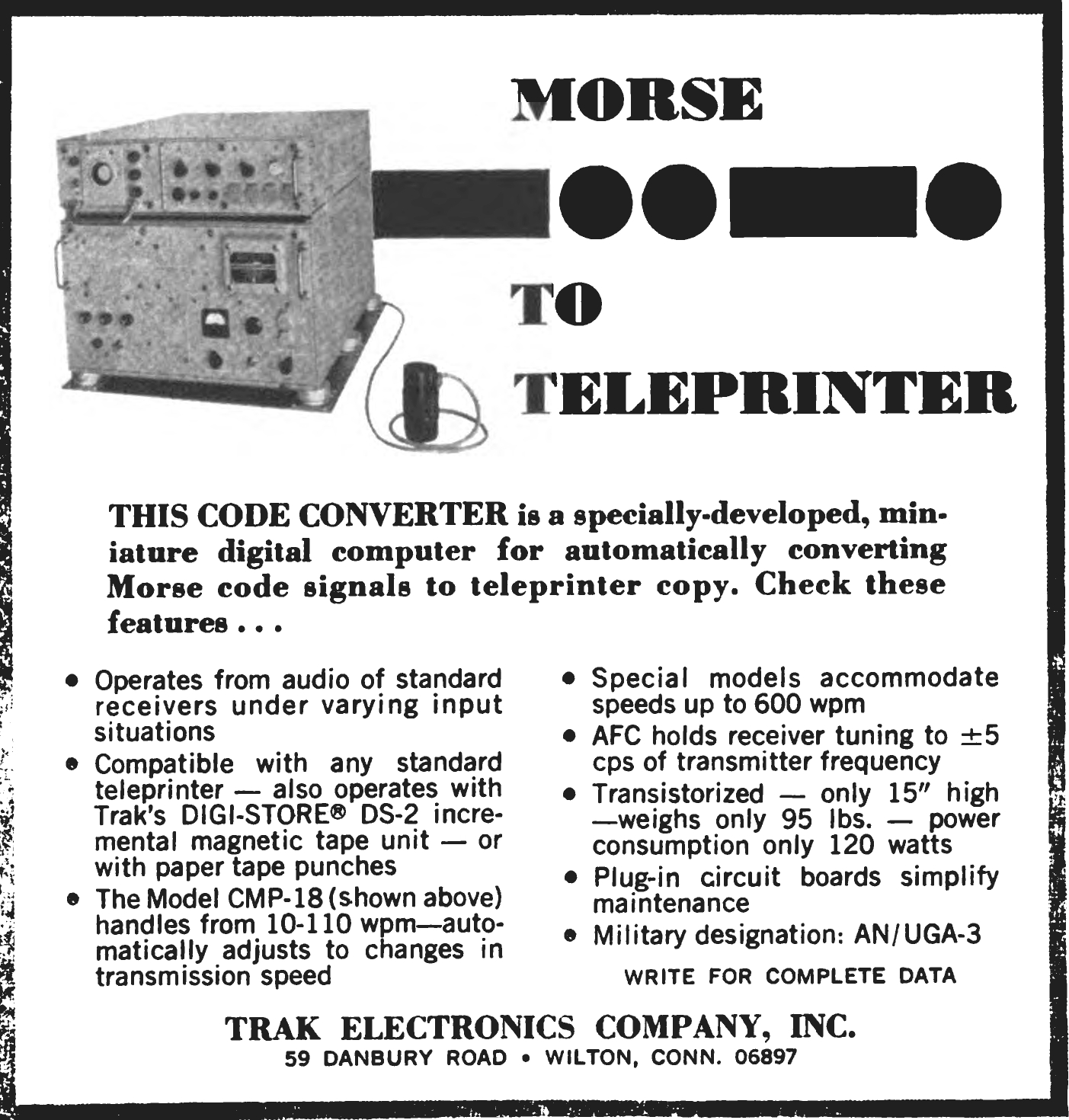
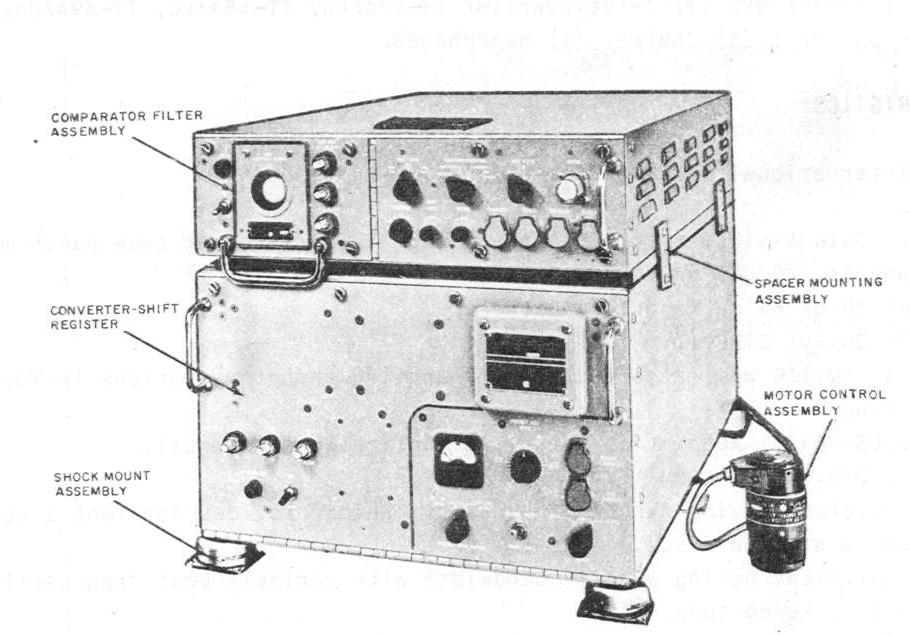
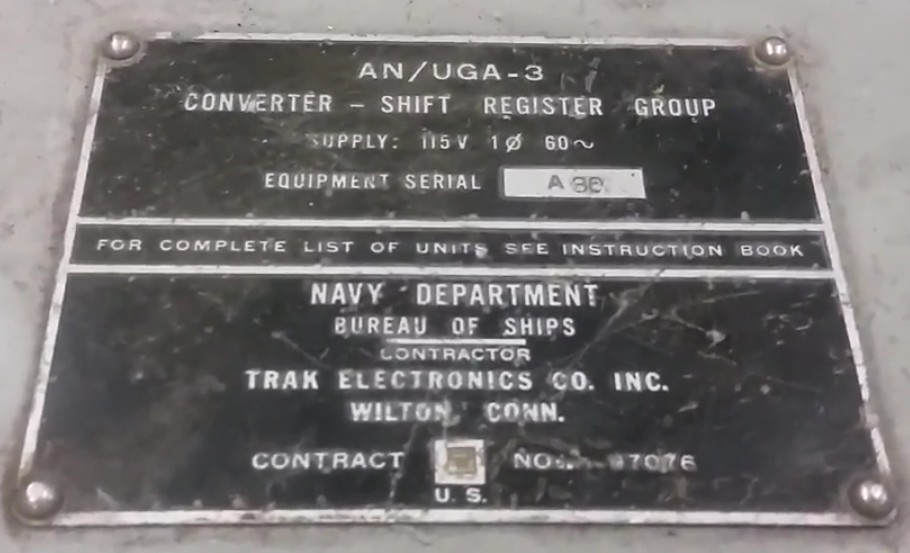
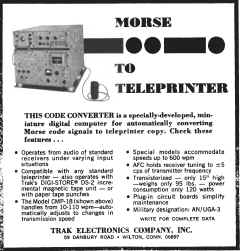
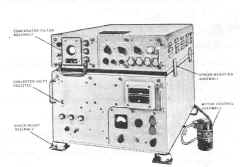
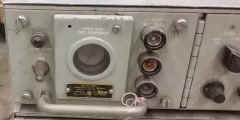
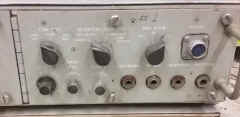
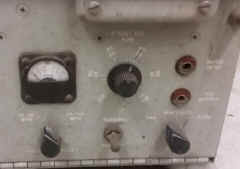
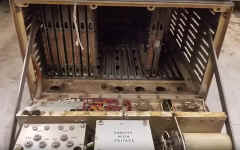
AN/UGA-3
Morse-to-Baudot converter
|
AN/UGA-3 spec sheets
Video of AN/UGA-3
- see stills below
|
Includes external motor drive to connect to receiver BFO control for
AFC.
From 1960 press release - "The
AN/UGA-3, (commercial nomenclature CMP-18) automatically copies Morse code
and converts it into teleprinter code at a rate of from 10 to 120
words/min, then types message on a page-copy teleprinter..."
|
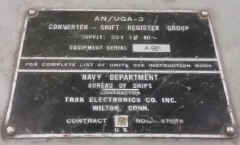
Manuf: Trak Electronics (Wilton CT)
Model CMP-18
Cost $20,000 to $40,000
Manual NAVSHIPS 94316
Please let me know if you have
a UGA-3 or manual for sale or trade |
|
|
|
 |
|
|
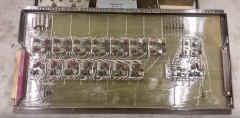
Story from Trak Electronics Technician Roger Cote - The electronic devices that were manufactured by Trak Electronics were very sophisticated and required an understanding of the logic that was at the very heart of these devices. In 1963, the US Navy was still using Morse code to send messages back and forth among ships. The purpose of these machines was to translate Morse code into hard copy printouts on teletype machines. You can guess how far we've come since those days. To me, that doesn't seem that long ago, but I guess it was. While I had been used to reading electronic schematics, that was no longer the requirement. Reading and interpreting logic diagrams was the new technology and Trak Electronics was heavily involved in that technology.
|
Imagine someone on a ship sending a Morse code message over a radio connection to another ship. In the old days, someone at the other end would pick up the dots and dashes thru an earphone and hand write the translated code into a readable message. But now (in 1963) a radio receiver would pick up the message, forward it to one of our machines where it would go thru a translator and print out the message on a teletype machine. The Trak translator would need to be able to do this thru all sorts of radio noise and keep up with the changing speed of the sender. Quite a trick in those days and it was accomplished quite well.
The machine had to be tested on board a naval vessel. One of the company engineers and myself were selected to do the job. We flew down to Norfolk, VA, conducted the test successfully on board one of the navy's ships and returned home. The engineer did not want to fly back, so we took the train. We bought seats in the parlor car and with meals and drinks and soft reclining swivel chairs, enjoyed one of the most relaxing and enjoyable trips I ever had. It took longer to get back, but it was a very pleasant trip.
|
CV-398/UG
Baudot-to-Morse Converter
|
Need photo and more info - please send
me email
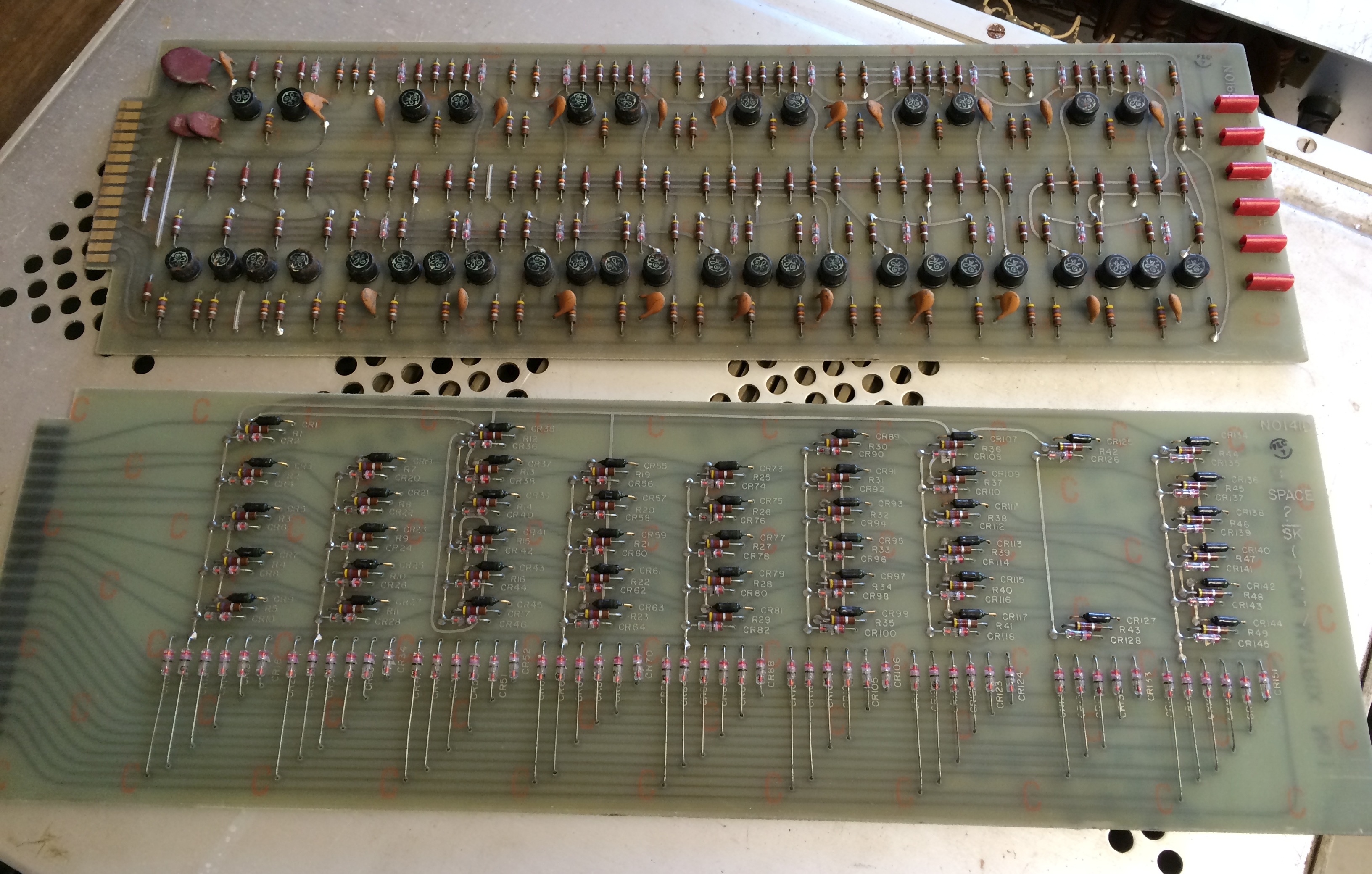
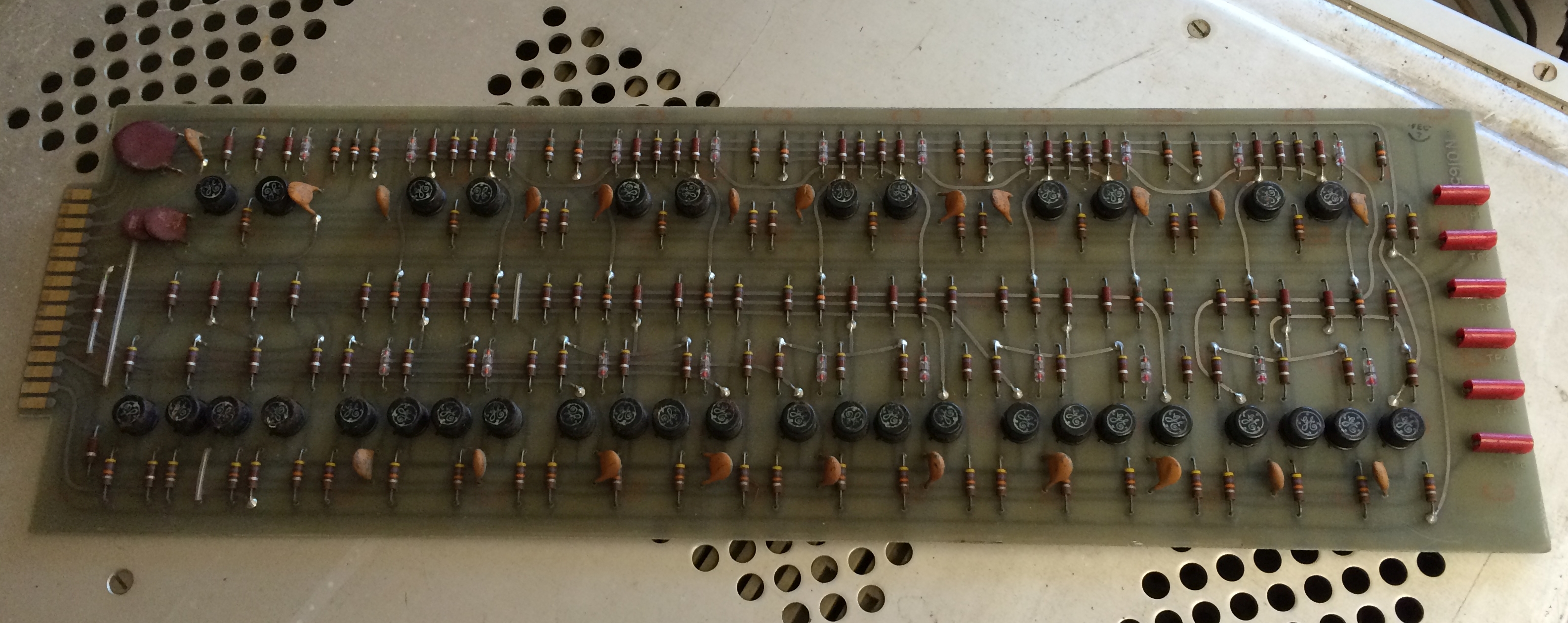
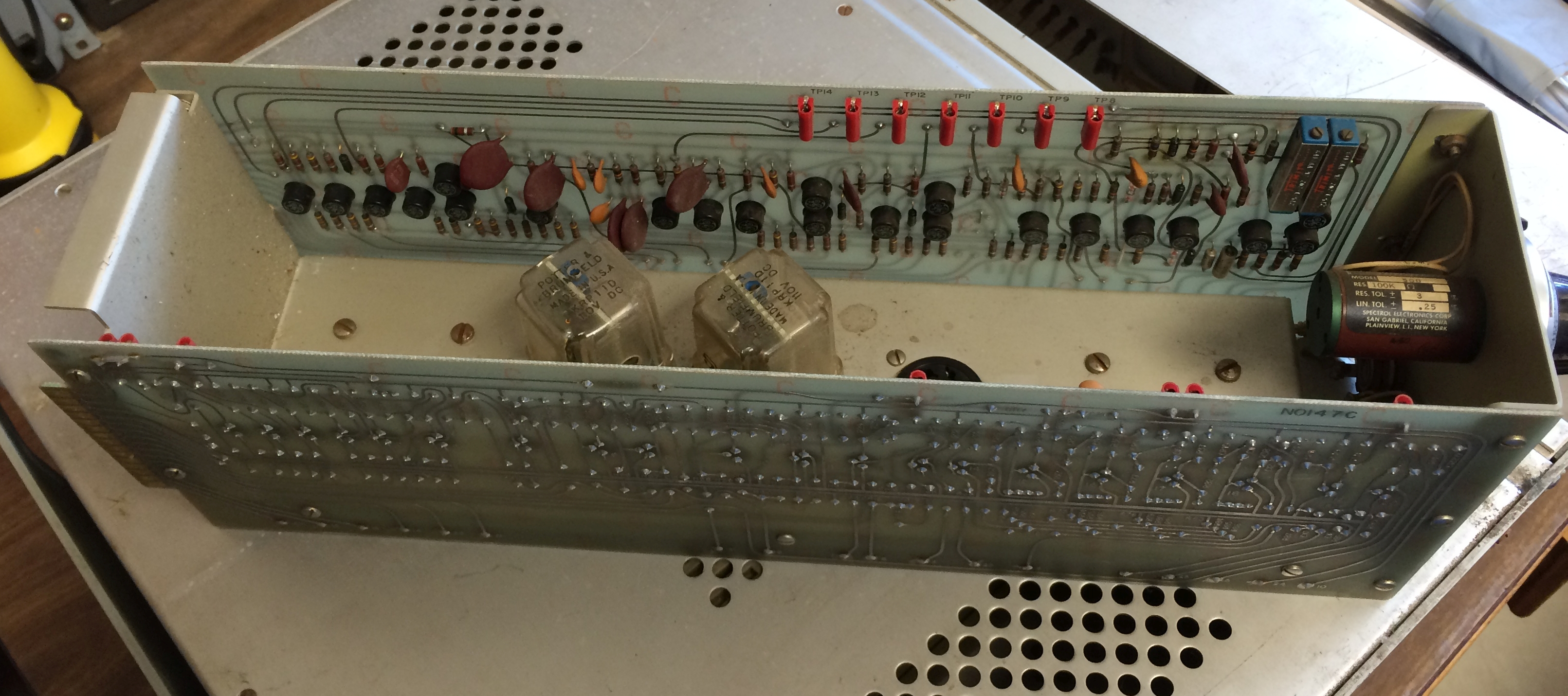
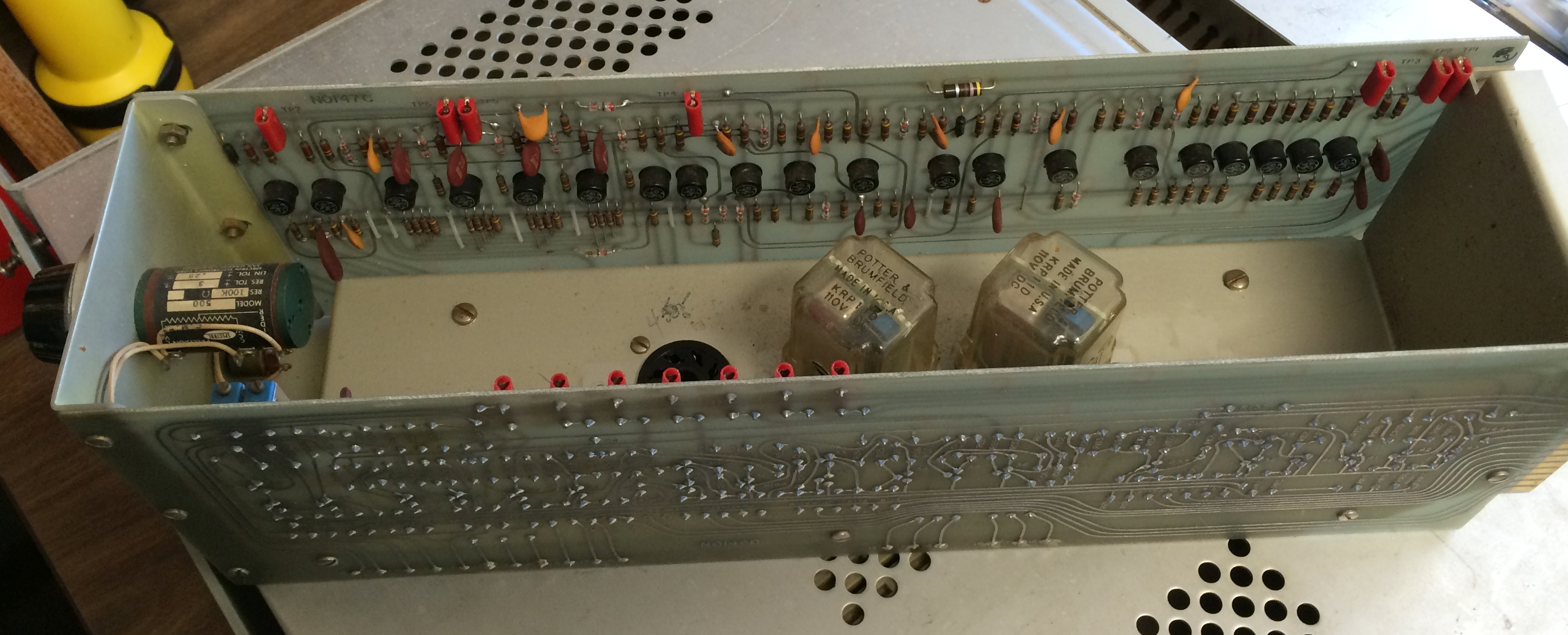
CV-398( )/UG consists of a translator relay assembly,
character and function relays, electronic counter and gating CKT's, tone
oscillator, and output relay. Also has a self-contained RECT power supply.
It requires external tape reading EQUIP. Input data: 1 channel, provides
on-off keyed International Morse signals from 5-unit TTY tape. Output
data: 1 channel keyed tone, variable between 500 cps and 1500 cps, and/or
relay. Operating power: 115 V, 50 to 60 cps, 1-ph, 300 W. Manufactured by:
Naval Security Group Detachment (D-50), Washington 25, D . C.; converts
punched TTY Tape into standard international Morse signals at keying
speeds from 10 to 60 WPM.
|
CV-432/UG
Morse-to-Baudot Converter
|
Need photo and more info - please send
me email
This unit rectifies and shapes incoming signals to produce timing pulses used to sync converter
to incoming signal. Morse code is stored on a character basis until a space between characters is recognized
at which time the translator reads off the equivalent TTY character to a small magnetic loop. The output
is at the erratic Morse speed, and final read-off is smooth TTY rate. Provisions are made to give carriage
return, line feed, letters, figures, and space functions when required. The CV-432(
)/UG performs the inverse function of CV-398/U. Operating power: l10V, 60 cycle, 1-ph. CV-432(
)/UG is u/w TTY TT-176/UG. Manufactured by the Naval Security Group Detachment. Wash. 25, D.C. |
CV-2015/U
CV-2015A/U
transmitter keying equipment
|
Same as Frederick 660A? |
Converts standard 7-unit start-stop (Baudot) code into international Morse
code and keys transmitter
Manual is 0967-LP-876-1010
|
Please let me know if you have
one for sale or trade |
CV-2124/U
CV-2124A/U
Morse-to-Baudot converter
|
Same as Frederick 670? |
Converts international Morse code into standard 7-unit start-stop (Baudot)
code. |
Please let me know if you have
one for sale or trade |
DT-325/U
DT-325A/U
tone detector
|
same as Frederick 1201? |
Interface between a conventional communications
receiver and the CV-2124A Morse-to-teleprinter code converter. |
Please let me know if you have
one for sale or trade |
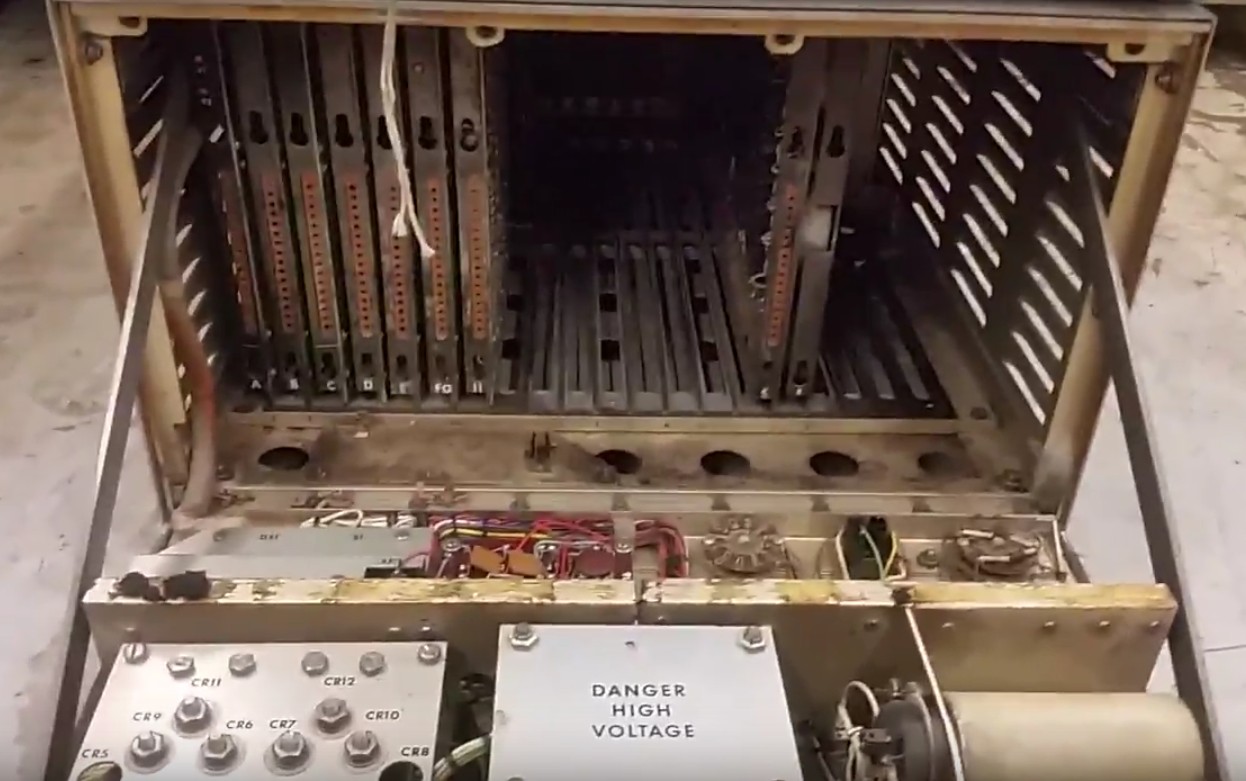
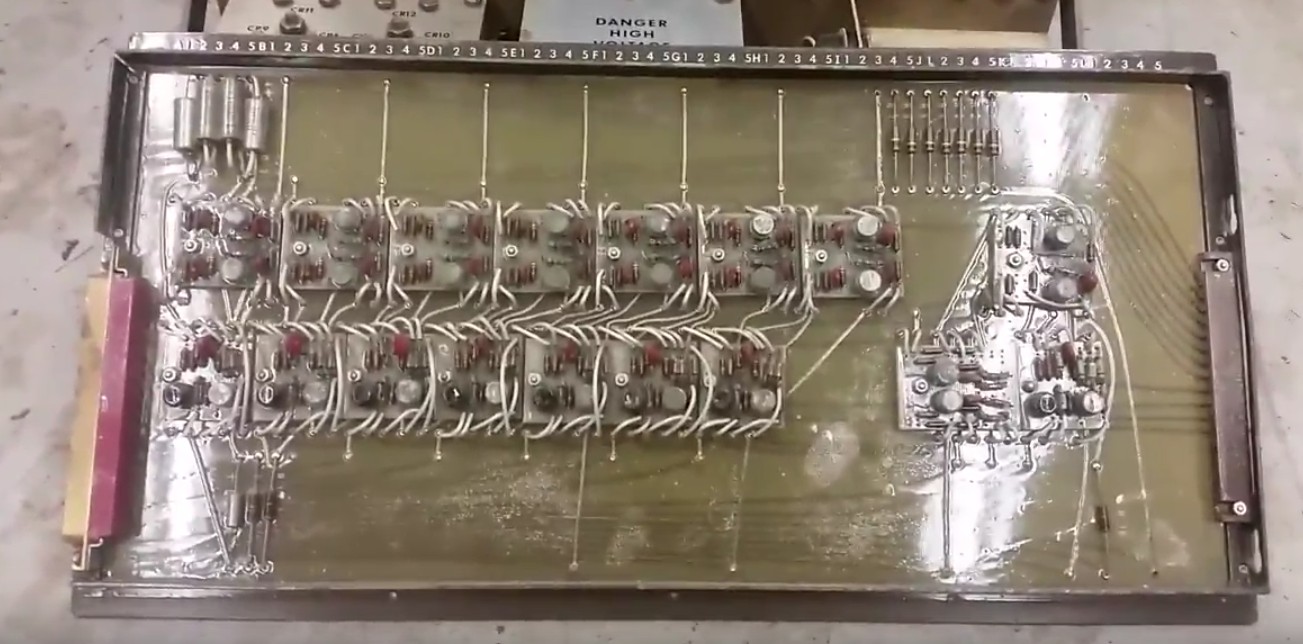
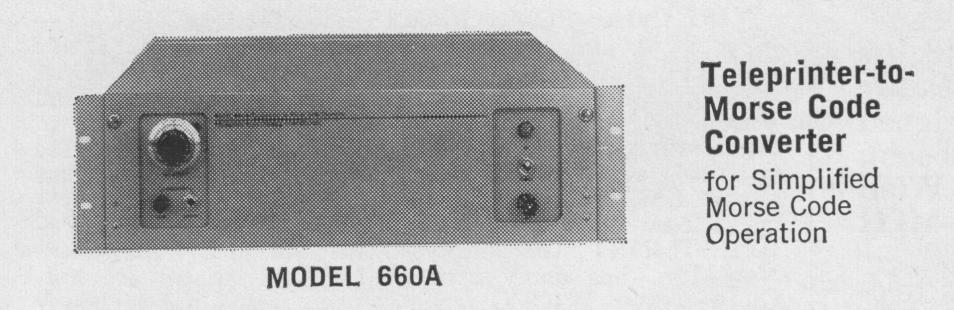
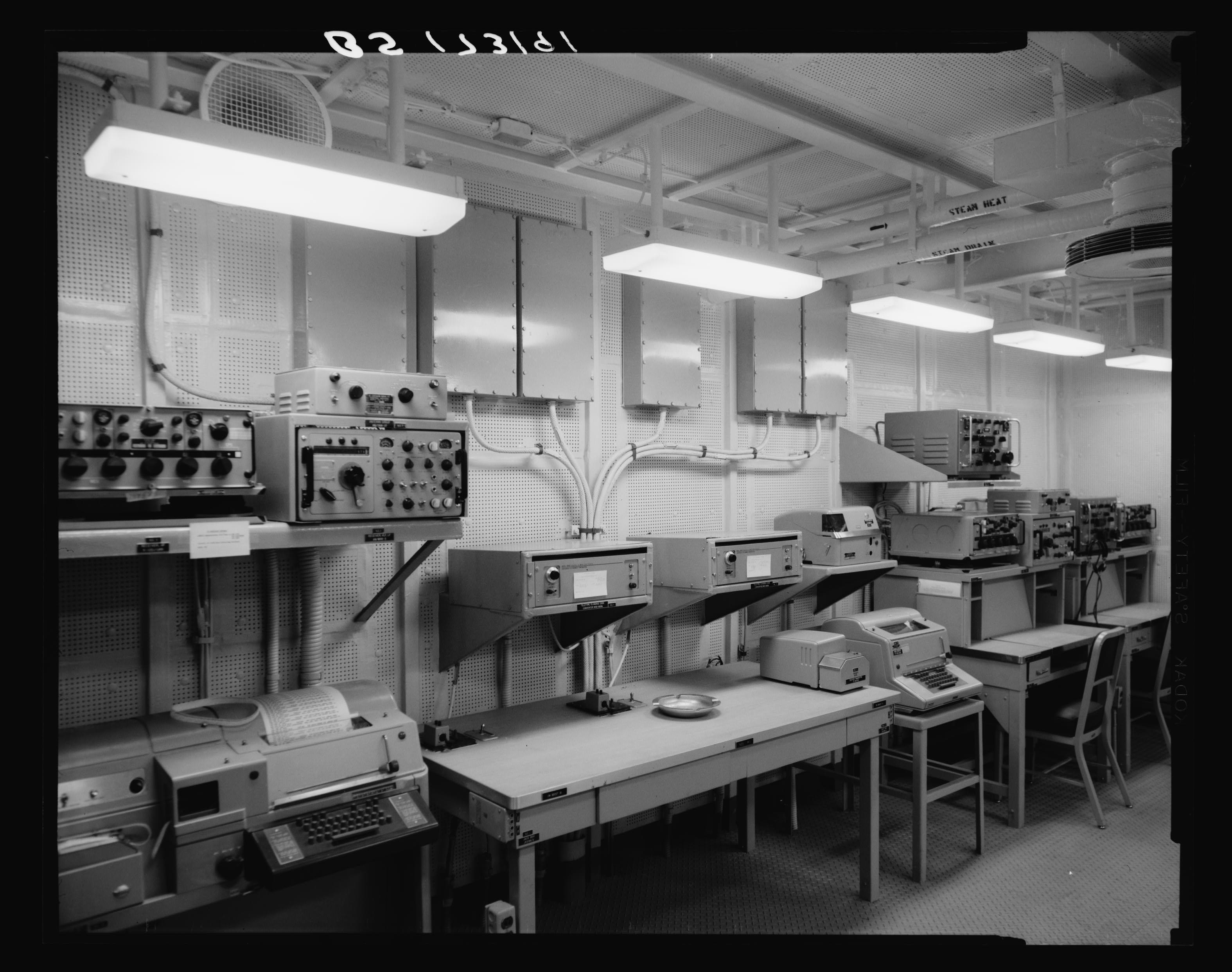
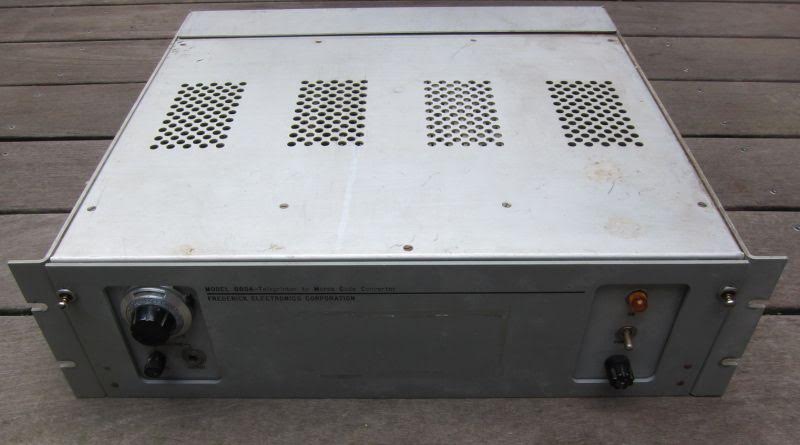
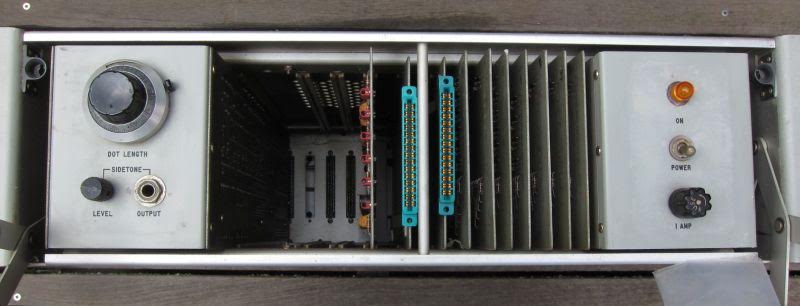
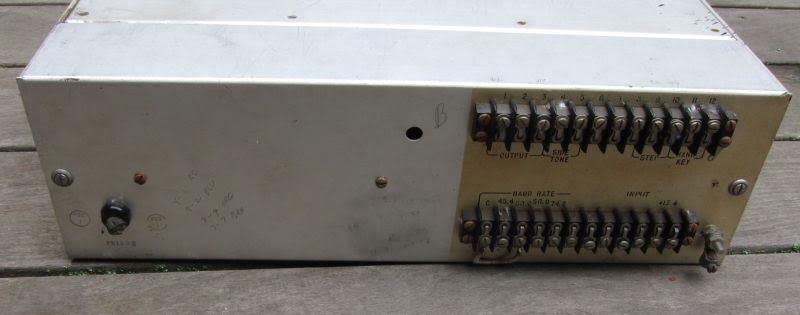
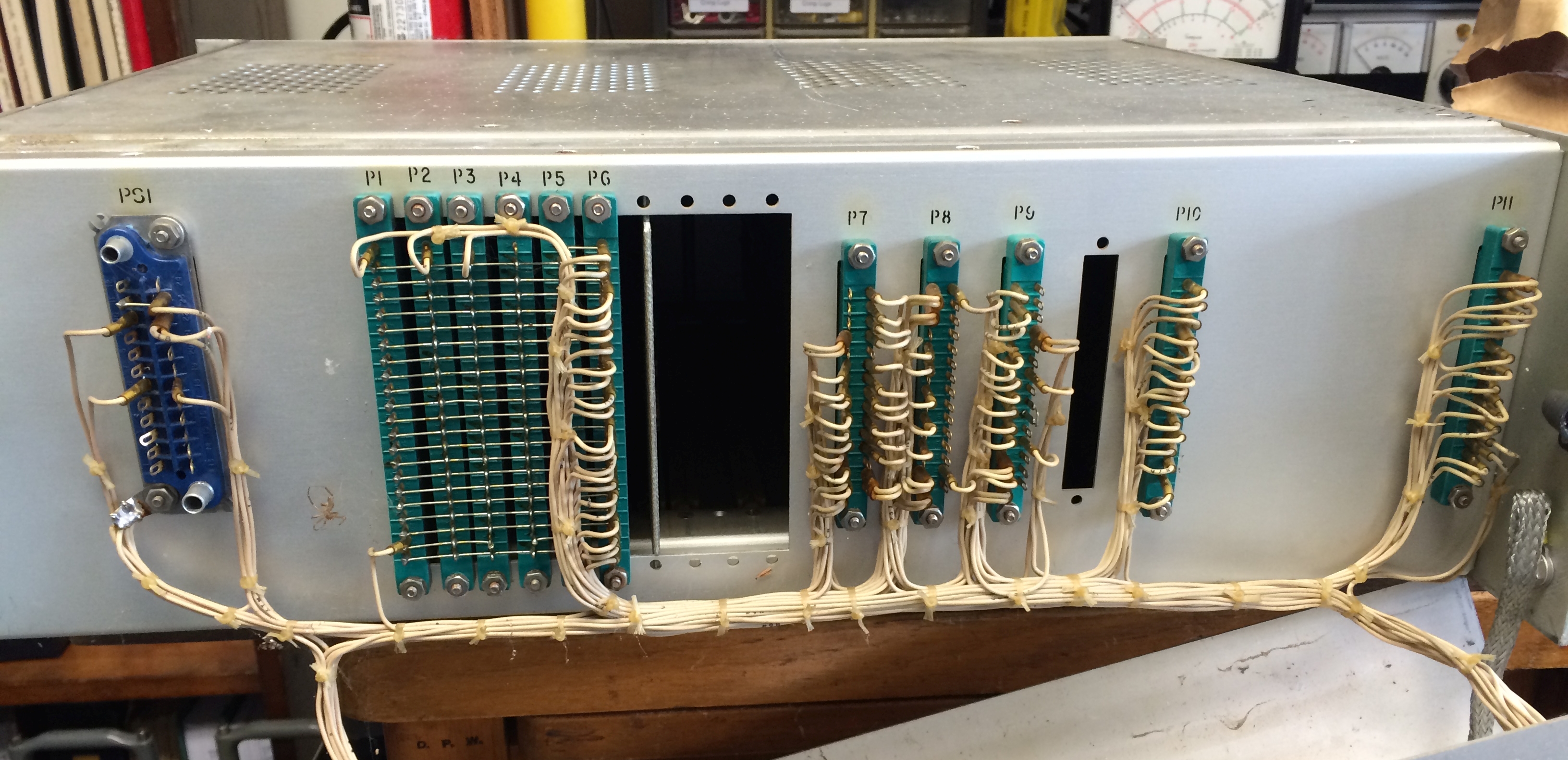
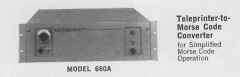
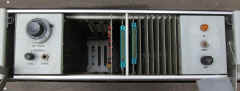
CDCR-660A
Baudot-to-Morse Keyer
Frederick Electronics Model 660A
Teleprinter-to-Morse Code converter
Did this become CV-2015/U?
|
 |
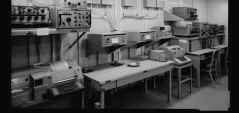
Installed aboard USS Arlington AGMR-2
|
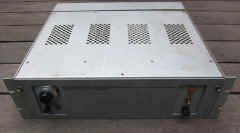
Please let me know if you have
one for sale or trade - I need 2 PC boards and a manual
|
 |
|
|
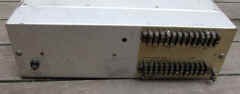
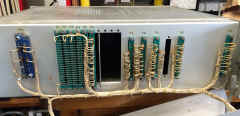
backplane - code converter boards plug in at left
 |
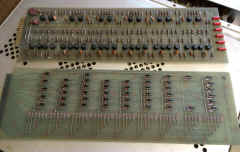
logic board and code converter board
|
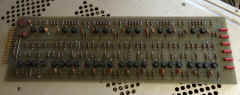
logic board
|
|
--
|
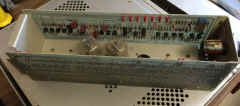
control - relays for input, step, output
 |
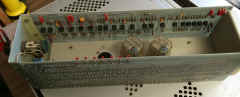
control
|
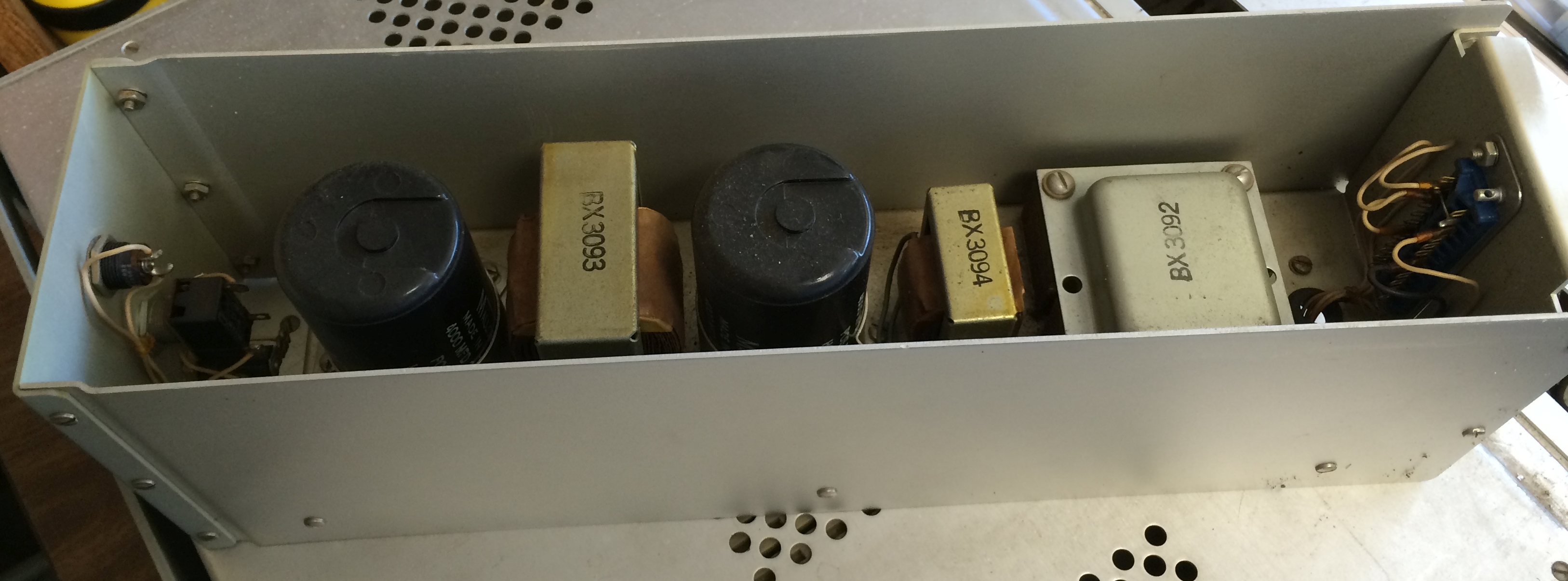
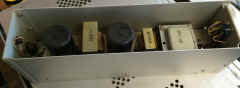
power supply
|
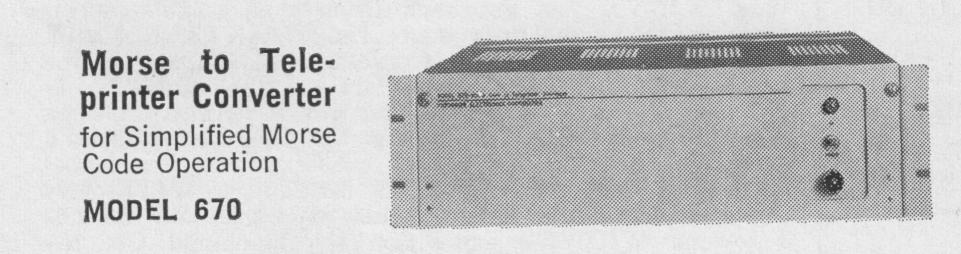
CDCR-670
Morse-to-Baudot converter
|
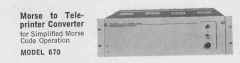 |
Frederick Electronics Model 670
Morse-to-Baudot converter
Did this become CV-2124/U?
|
Please let me know if you have
one for sale or trade
|
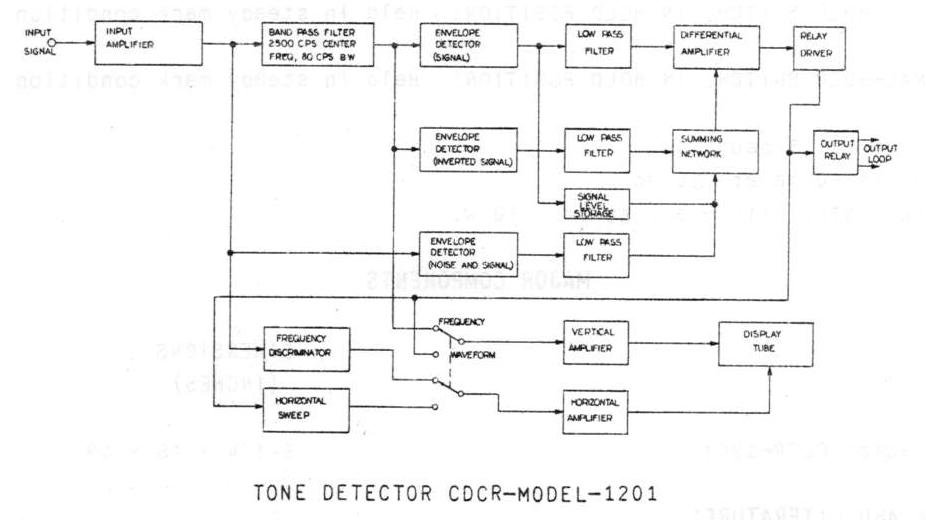
CDCR-1201
tone detector
|
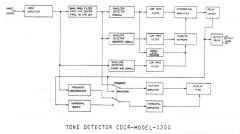 |
Frederick Electronics Model 1201
Interface between receiver and Model 670 Morse-Baudot converter
Did this become DT-325/U?
|
Please let me know if you have
one for sale or trade
|